
Diseases
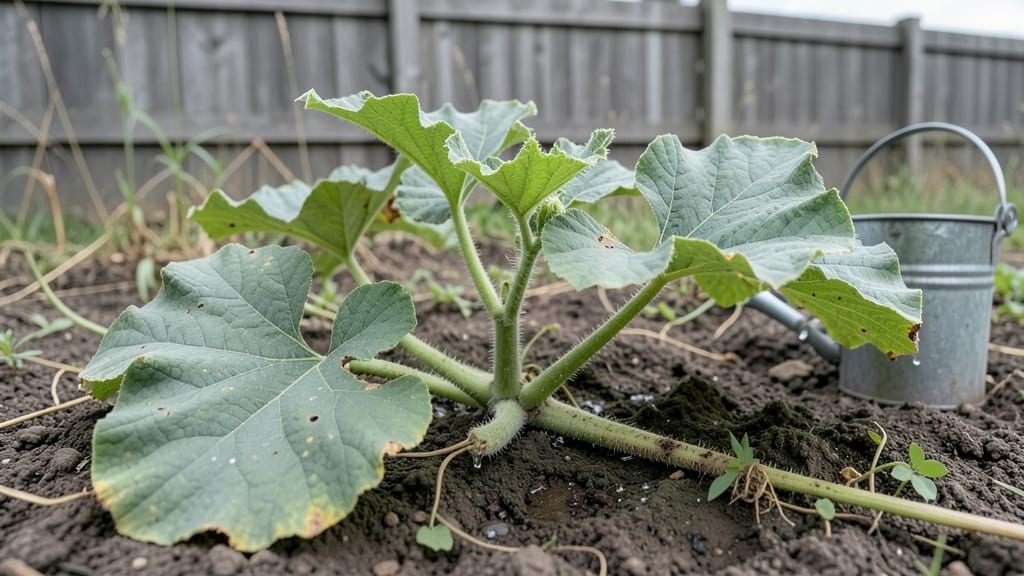
Pumpkin seedling leaves turning yellow can feel like a gut punch after all that careful planting. 🌱 I’ve watched my own seedlings go from vibrant green to sad, limp yellow in just a few days—until I learned the five sneaky culprits behind it.
The good news? Most fixes take less than 10 minutes and start with a simple check of your watering routine or soil health.
Overwatering is the #1 offender, drowning those delicate roots and starving leaves of oxygen. But nutrient deficiencies—especially nitrogen or magnesium—can turn your seedlings pale too. Fungal diseases like damping-off lurk in soggy soil, while pests like aphids suck the life out of leaves, leaving yellow splotches behind.
Even environmental stress, like sudden temperature swings or poor airflow, triggers the warning sign.
You’ll diagnose the problem by examining the pattern: uniform yellowing? Likely water or nutrients. Spotted or mushy stems? Probably fungus. Sticky leaves? Aphids are to blame. Once you spot the issue, solutions are straightforward—adjust watering, add compost, or spray neem oil—and your seedlings will bounce back within days.
Prevention is even easier: use well-draining soil, space seedlings for airflow, and keep them in consistent conditions. If the yellowing spreads fast or you see black spots, it’s time to call in a local extension office—they’ll help you save what’s left of your patch before it’s too late.
Root Causes Behind Yellowing Leaves
When your pumpkin seedlings’ leaves start turning yellow, it’s often a cry for help from the plant itself. Understanding the why behind this symptom is the first step toward saving your crop.
Below, we break down the most common culprits—each with a clear scientific explanation and actionable insights to address them.
Yellowing leaves in pumpkin seedlings are frequently tied to excess moisture, which disrupts nutrient uptake and promotes root rot.
Pumpkin seedlings thrive in well-draining soil with a pH of 6.0–6.8, but when waterlogged, their roots suffocate due to: - Oxygen deprivation – Roots need aeration to absorb water and nutrients efficiently.
Soggy soil forces roots to "drown," halting metabolic processes. - Fungal infections – Stagnant water creates the perfect breeding ground for pathogens like Phytophthora or Pythium, which attack root tissues, turning them mushy and black. - Nutrient leaching – Overwatering flushes essential minerals (like nitrogen, potassium, and magnesium) out of the root zone, leaving leaves yellow and weak.
Actionable Fix:
- Test your soil’s drainage by digging a 6-inch hole, filling it with water, and timing how long it takes to drain. Ideal drainage should take no more than 1–2 hours.
- Adjust watering habits: Water seedlings only when the top 1–2 inches of soil feel dry (stick your finger in to check!). Use a moisture meter for precision.
- Amend heavy clay soil with perlite, vermiculite, or compost to improve aeration. Raised beds or containers with drainage holes can also help.
Yellowing leaves can signal a lack of critical nutrients, particularly in young seedlings struggling to establish roots. The most common deficiencies include:
| Nutrient | Symptoms | Why It Happens |
|---|---|---|
| Nitrogen (N) | Yellowing older leaves (first signs), stunted growth | Nitrogen is vital for chlorophyll production. Seedlings may deplete soil reserves quickly if not fertilized. |
| Magnesium (Mg) | Interveinal chlorosis (yellowing between veins, starting on older leaves) | Magnesium is a central atom in chlorophyll. Poor soil structure or high pH locks it out of root uptake. |
| Iron (Fe) | Young leaves turn yellow (while veins stay green), pale overall | Iron deficiency is common in alkaline soils (pH > 7.0) or when roots can’t access it due to compacted soil. |
| Potassium (K) | Yellowing leaf edges, weak stems, poor disease resistance | Potassium regulates water and nutrient movement. Deficiencies often appear under stress (e.g., drought or disease). |
Actionable Fix:
- Soil test first! Use a DIY test kit or send a sample to a local extension office to identify specific deficiencies.
- For nitrogen: Apply a balanced fertilizer (10-10-10) or compost tea every 2–3 weeks. Avoid overdoing it—excess nitrogen can burn roots.
- For magnesium/iron: Use chelated nutrients (like Epsom salt for magnesium or iron sulfate for iron) and lower soil pH with sulfur or peat moss if it’s too alkaline.
- For potassium: Add wood ash, banana peels (composted), or a potassium-rich fertilizer like greensand.
While overwatering is a common culprit, drought stress can also trigger yellowing leaves, especially in seedlings with shallow root systems.
Signs include: - Leaves curling inward (to reduce water loss). - Yellowing starting at the edges (unlike nitrogen deficiency, which affects older leaves first). - Wilting even when soil feels slightly moist (a sign of root damage).
Why It Happens:
- Root desiccation – Seedlings have tiny, delicate roots that dry out quickly in hot or windy conditions.
- Transpiration overload – If the plant loses more water than it absorbs, chlorophyll breaks down, causing yellowing.
- Heat shock – Temperatures above 90°F (32°C) can scramble cellular processes, leading to oxidative stress and leaf discoloration.
Actionable Fix:
- Water deeply but infrequently – Aim for 1–1.5 inches of water per week (including rainfall). Use drip irrigation or soaker hoses to deliver water directly to the root zone.
- Mulch heavily – Apply 2–3 inches of straw or shredded leaves to retain moisture and regulate soil temperature.
- Provide shade cloth – If seedlings are in direct sun, use 30–50% shade cloth during peak afternoon heat.
- Adjust planting time – If your climate has hot, dry spells, opt for early spring or late summer plantings to avoid stress.
Yellowing leaves can also be a red flag for infectious diseases, particularly in seedlings with weak immune systems. Common offenders include: - Downy Mildew (Pseudoperonospora cubensis) – Causes yellowing on top leaves and grayish-purple fuzz on undersides.
Thrives in cool, wet conditions. - Powdery Mildew (Erysiphe cichoracearum) – Leaves develop yellow patches with white, powdery growth. Spreads in humid, low-light conditions. - Bacterial Leaf Spot (Xanthomonas spp.) – Creates water-soaked yellow/brown spots with yellow halos.
Worsens in warm, rainy weather.
Why It Happens:
- Poor air circulation – Crowded seedlings trap moisture, creating ideal conditions for spores to land and infect leaves.
- Contaminated soil or tools – Old compost, infected plant debris, or shared gardening tools can introduce pathogens.
- Stressed plants – Seedlings already weakened by nutrient deficiencies or pests are more susceptible.
Actionable Fix:
- Prevent spread – Remove infected leaves immediately and dispose of them in the trash (not compost).
- Improve airflow – Space seedlings 12–18 inches apart and avoid overhead watering (use drip irrigation instead).
- Apply fungicides early – Use copper-based sprays or neem oil (for fungal issues) or bacterial sprays (like Copper Soap) for bacterial infections. Reapply every 7–10 days.
- Sterilize tools – Clean pruners and containers with 10% bleach solution (1 part bleach to 9 parts water) between uses.
Tiny pests like aphids, spider mites, or flea beetles can sap nutrients from leaves, causing them to turn yellow or develop stippled patterns.
Seedlings are especially vulnerable because: - Pests target tender new growth – Aphids and spider mites pierce cells to feed on sap, injecting toxins that disrupt chlorophyll production. - Flea beetles chew leaves – Their tiny holes increase water loss and expose seedlings to secondary infections. - Whiteflies excrete honeydew – This sticky residue fosters sooty mold, which blocks sunlight and further stresses the plant.
Actionable Fix:
- Inspect leaves daily – Look for tiny webs (mites), clusters of bugs (aphids), or tiny holes (flea beetles) on the undersides of leaves.
- Blast pests off – Use a strong stream of water to dislodge aphids or spider mites (do this in the early morning).
- Introduce beneficial insects – Ladybugs, lacewings, or predatory mites can control pests naturally.
- Use insecticidal soap or neem oil – Spray every 3–5 days until pests are eradicated. Avoid chemical pesticides on seedlings—they can cause burn damage.
Pumpkin seedlings prefer slightly acidic to neutral soil (pH 6.0–6.8), but extreme pH levels can lock out essential nutrients, leading to yellowing:
- High pH (>7.0) – Iron, manganese, and zinc become unavailable, causing interveinal chlorosis (yellowing between veins).
- Low pH (<5.
How to Fix Yellowing Seedling Leaves
Now that you’ve identified why your pumpkin seedlings’ leaves are turning yellow, it’s time to take action! Each issue requires a tailored approach, but the good news is that most fixes are simple and effective.
Below, we’ll break down practical, step-by-step solutions for the top causes—plus prevention tips to keep your seedlings thriving.
Fix:
- Stop Watering Immediately 🚰
- Let the soil dry out completely before watering again. Stick your finger 1–2 inches deep—if it’s damp, wait.
- Pro Tip: Use a moisture meter for accuracy (or the "squeeze test" on soil).
- Improve Drainage 🏗️
- Repot seedlings in well-draining soil (mix potting soil with perlite or sand at a 2:1 ratio).
- Add a layer of gravel or pebbles at the bottom of containers to prevent waterlogging.
- Adjust Watering Habits 💧
- Water only when the top inch of soil is dry (usually every 2–3 days, depending on climate).
- Use a spray bottle for gentle watering to avoid compacting soil.
Prevention:
- Use pots with drainage holes.
- Avoid saucers under containers unless they’re emptied daily.
- Water in the morning to allow excess moisture to evaporate.
Fix:
- Water Deeply and Frequently 💦
- Soak the soil until water runs out the drainage holes (bottom watering helps).
- For heatwaves, mist leaves lightly in the evening to cool them down.
- Provide Shade 🌞
- Move seedlings to a spot with partial shade (e.g., under a sheer curtain or 30% shade cloth).
- Avoid direct midday sun until seedlings are 2–3 inches tall.
- Check Humidity Levels 🌡️
- Place a tray of water near seedlings or use a humidity dome (remove once they’re established).
- Group pots together to create a microclimate.
Prevention:
- Mulch soil with straw to retain moisture.
- Water consistently—don’t let seedlings dry out between sessions.
- Harden off seedlings gradually before transplanting to full sun.
Fix:
- Remove Affected Leaves 🗑️
- Snip yellowing or spotted leaves with sterilized scissors to prevent spread.
- Apply Fungicide 🧴 - Baking Soda Spray: Mix 1 tsp baking soda + 1 quart water + a drop of dish soap. Spray leaves every 7–10 days. - Neem Oil: Dilute 1 tbsp neem oil in 1 quart water + a few drops of soap.
Spray in the morning (avoid direct sun). - Commercial Fungicide: Use copper-based or sulfur sprays for severe cases.
- Improve Air Circulation 🌬️
- Space seedlings 6–12 inches apart.
- Use a small fan on low setting (2–3 hours/day) to dry leaves faster.
Prevention:
- Water at the base (avoid wetting leaves).
- Sterilize tools and pots with 1 part bleach to 9 parts water.
- Rotate seedlings weekly for even sunlight exposure.
Fix:
- Test Soil pH 📊
- Ideal pH for pumpkins: 6.0–6.8. Use a soil test kit to adjust with lime (raise pH) or sulfur (lower pH).
- Add Organic Amendments 🥬
- Nitrogen (Yellow Leaves): Mix in compost or use a balanced fertilizer (10-10-10) at half strength.
- Magnesium (Yellow Edges): Sprinkle Epsom salt (1 tbsp per gallon of water) every 2 weeks.
- Iron (Yellow Between Veins): Use chelated iron spray or iron sulfate granules.
- Avoid Over-Fertilizing 🚫
- Yellow leaves can also signal burn from excess salts. Flush soil with water if leaves appear crispy.
Prevention:
- Start with nutrient-rich soil (add worm castings or aged manure).
- Fertilize lightly every 2–3 weeks once seedlings are 2 inches tall.
- Rotate crops to prevent nutrient depletion.
Fix:
- Inspect Leaves Daily 🔍
- Look for tiny insects, sticky residue (honeydew), or webbing on undersides of leaves.
- Blast Off Pests 💦
- Water Spray: Use a strong stream of water to dislodge aphids.
- Soapy Water: Mix 1 tsp mild soap in 1 quart water and spray directly on pests.
- Introduce Beneficial Insects 🐞
- Release ladybugs or lacewings (available at garden centers) to eat aphids naturally.
- Use Physical Barriers 🛡️
- Cover seedlings with floating row covers if pests are severe.
Prevention:
- Encourage natural predators (marigolds repel pests).
- Avoid broad-spectrum pesticides that harm beneficial insects.
- Keep garden areas clean to reduce hiding spots for pests.
Final Tip: 🌟 Act Fast! Yellowing leaves can spread quickly, but early intervention often saves seedlings. Monitor progress for 3–5 days after treatment—if symptoms persist, revisit the cause and adjust your approach.
With these fixes, your pumpkin seedlings should bounce back with vibrant green leaves in no time! 🎉
Frequently asked questions
Why do pumpkin seedling leaves turn yellow first on the older ones?
This is often a sign of nitrogen deficiency. Older leaves contain more nutrients, so when nitrogen is lacking, the plant "recycles" it from these leaves first. Check if your seedlings have stunted growth or pale stems—these confirm nitrogen issues. Use compost tea or a balanced fertilizer (like 10-10-10) to restore levels.
Can yellowing leaves mean my pumpkin seedlings are overwatered?
Yes! Overwatering causes root rot and nutrient leaching, turning leaves yellow. Test drainage by filling a hole with water—if it doesn’t drain in 1-2 hours, your soil is too compacted. Let the soil dry between waterings and add perlite to improve airflow.
What if yellow leaves have white powdery spots?
That’s likely powdery mildew, a fungal disease. Remove infected leaves immediately and improve airflow by spacing seedlings 12-18 inches apart. Spray with a baking soda solution (1 tsp baking soda + 1 quart water) every 7-10 days to prevent spread.
Should I prune yellow leaves off my pumpkin seedlings?
Yes, but only if they’re completely yellow or diseased. Snip them at the base with sterilized scissors to prevent fungal/bacterial spread. Avoid removing healthy green tissue—this stresses the plant further. Focus on fixing the root cause (water, nutrients, or pests) first.
How long does it take to see improvement after fixing the problem?
With proper care, you’ll often see new green growth within 3-5 days. For nutrient deficiencies, expect 1-2 weeks for full recovery. If yellowing persists after 10 days of treatment, reassess—it may be a deeper issue like soil pH imbalance or pests.