
How To
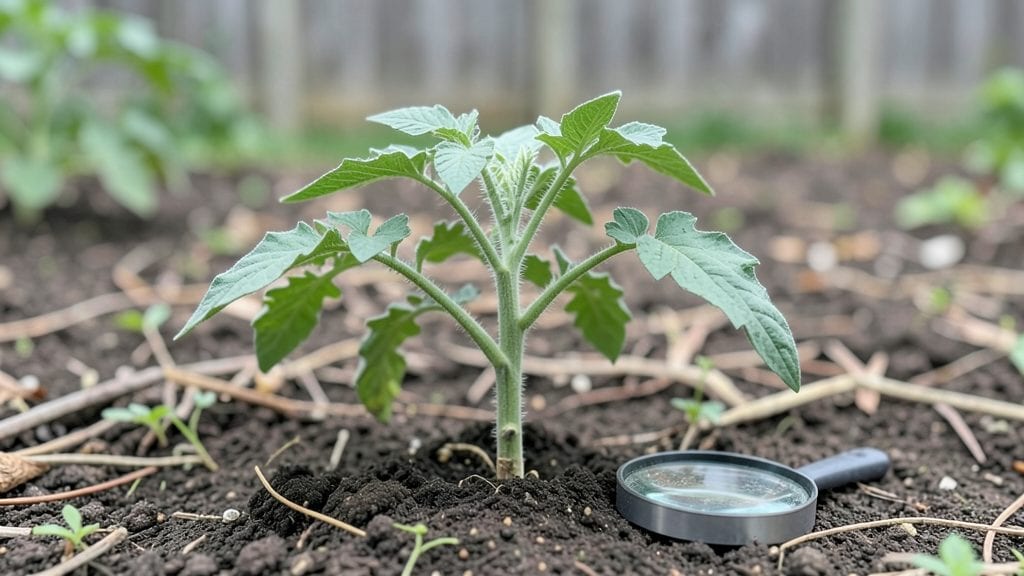
Tomato seedling leaves curling up is the last thing you want after weeks of waiting for those first true leaves. 🌱 I’ve seen this happen more than I’d like to admit—whether from tiny spider mites hitching a ride on new plants or watering that’s either too heavy or too light.
The good news? Most cases fix themselves within days once you spot the issue.
Overwatering is the sneakiest culprit, turning soil soggy and suffocating roots while pests like spider mites thrive in dry, dusty conditions. Temperature swings—especially cold nights or hot afternoons—can also trigger that classic upward curl.
The key is checking soil moisture with your finger (top inch should feel damp, not wet) and inspecting leaves for tiny webs or speckled damage.
You’ll have straighter, stronger seedlings within a few days of adjusting care—just rinse plants under water to dislodge pests, trim curled leaves, and move them to a stable spot.
Prevention is even easier: use trays with drainage, keep humidity steady, and introduce beneficial insects like ladybugs early. Trust me, your future harvest will thank you.
This works for both indoor starts and greenhouse seedlings, and the fixes apply to other nightshades too—peppers and eggplants included. Let’s get those leaves flat and growing again before they turn into a full-blown crisis.
Root Causes Behind Leaf Curls
When your tomato seedlings start showing those telltale curled leaves, it’s often a cry for help from your plants. Understanding the why behind this issue is the first step to saving your seedlings—and your future harvest.
Below, we break down the most common culprits, backed by science, so you can diagnose the problem like a pro.
Tomato seedlings thrive in well-draining soil, but when roots sit in soggy conditions, they struggle to absorb oxygen. This leads to root rot, a fungal disease that disrupts nutrient uptake and causes leaves to curl upward as a stress response.
- Signs to watch for:
- Yellowing leaves (chlorosis) alongside curling
- Mushy, dark roots if you gently pull the seedling
- Waterlogged soil that stays damp for days
- Why it happens: Excess water forces roots to suffocate, triggering ethylene gas production—a plant hormone that signals stress. Curling is the plant’s way of reducing water loss while it tries to recover.
- Actionable fix:
- Repot seedlings in a light, airy potting mix (like a 50/50 blend of peat moss and perlite).
- Ensure pots have drainage holes and use saucers to catch excess water.
- Water only when the top inch of soil is dry—stick your finger in to check!
Tiny pests like aphids or spider mites suck sap from leaves, causing them to curl, yellow, or develop sticky residue (honeydew). These pests thrive in dry, warm conditions and can spread viruses, making the problem worse.
- Signs to watch for:
- Sticky leaves or ants (a sign of honeydew)
- Fine webbing (spider mites) or clusters of tiny insects
- Leaves curling downward or upward, depending on the pest
- Why it happens: Pests inject toxins while feeding, disrupting the plant’s auxin hormone (which controls growth). This causes abnormal cell expansion, leading to curling.
- Actionable fix:
- Blast pests off with a strong stream of water (early morning works best).
- Use neem oil (1 tsp per quart of water) or insecticidal soap as a natural spray.
- Introduce beneficial predators like ladybugs or lacewings to control populations.
Tomato seedlings are sensitive to extreme heat or drying winds, which cause leaves to curl as a protective measure. This is especially common in greenhouses or outdoor gardens during heatwaves.
- Signs to watch for:
- Leaves curling tightly upward (like a "cup")
- Crispy or brown edges (wind burn)
- Wilting during the day but recovering at night
- Why it happens: High temperatures increase transpiration (water loss), while wind removes the protective boundary layer around leaves. The plant curls to reduce surface area and conserve moisture.
- Actionable fix:
- Provide shade cloth (30-50% coverage) during peak sun hours.
- Move seedlings to a sheltered spot or use a windbreak (like a straw bale).
- Water deeply in the morning to help roots absorb moisture before evaporation.
A lack of key nutrients—like nitrogen, potassium, or magnesium—can cause leaves to curl, yellow, or develop strange patterns. Over-fertilizing (especially with synthetic salts) can also burn roots, leading to stress symptoms.
| Nutrient | Deficiency Signs | Why It Causes Curling |
|---|---|---|
| Nitrogen (N) | Older leaves turn yellow (chlorosis), then curl upward | Nitrogen is critical for leaf protein synthesis. Without it, leaves can’t maintain structure, leading to curling. |
| Potassium (K) | Leaf edges curl downward or upward, with brown spots | Potassium regulates water and enzyme activity. Deficiency disrupts cell turgor (pressure), causing curling. |
| Magnesium (Mg) | Interveinal yellowing (between veins) with curled leaves | Magnesium is central to chlorophyll production. Without it, leaves can’t photosynthesize efficiently, leading to stress responses like curling. |
Actionable fix:
- Test your soil with a home kit or send a sample to a local extension office.
- Amend soil with compost or a balanced organic fertilizer (like 5-5-5).
- Avoid over-fertilizing—follow package instructions for seedlings!
💡 Pro Tip: If you’re unsure whether the issue is water-related or nutrient-related, try the "finger test." Gently press the soil—if it’s dry and crumbly, water may be the issue. If it’s compacted or waterlogged, drainage or root health is likely the problem.
Quick Fixes for Curling Tomato Leaves
Now that you know the root causes behind your tomato seedlings’ curled leaves—whether it’s pests, overwatering, underwatering, nutrient deficiencies, or environmental stress—let’s tackle them with practical, step-by-step solutions. 🌱💦🐛 Below are targeted fixes for each issue, plus prevention tips to keep your plants thriving.
If tiny critters are the culprits, act fast to prevent further damage.
🔥 Step 1: Inspect & Identify the Pest
- Morning is best—pests are sluggish in cool temps, making them easier to spot.
- Check undersides of leaves and new growth for webs, sticky residue (honeydew), or tiny bugs.
- Common pests:
- Spider mites (tiny red/yellow dots, webbing)
- Aphids (green/black clusters, curled leaves)
- Whiteflies (tiny white moths when disturbed)
🍳 Step 2: Remove Infested Leaves
- Snip off heavily damaged leaves with clean scissors and dispose of them in sealed bags (not compost).
- Avoid shaking plants—this can spread pests to nearby seedlings.
👨🍳 Step 3: Natural Pest Control Methods
| Method | How to Use | Best For |
|---|---|---|
| Neem Oil Spray | Mix 1 tsp neem oil + 1 tsp mild soap + 1 quart water. Spray evenly (including undersides). Repeat every 5–7 days. | Spider mites, aphids, whiteflies |
| Insecticidal Soap | Use a store-bought or homemade (1 tbsp castile soap + 1 quart water) spray. Test on a few leaves first. | Soft-bodied pests (aphids) |
| Water Blast | Spray forceful water on leaves to knock off pests (do this in the morning so leaves dry quickly). | Aphids, whiteflies |
| Beneficial Insects | Release ladybugs or lacewings (available at garden centers). They eat pests naturally. | Long-term prevention |
🌡️ Prevention Tips
- Encourage biodiversity: Plant marigolds, basil, or dill nearby—they repel pests.
- Sticky traps: Hang yellow sticky cards to monitor and catch whiteflies.
- Quarantine new plants: Keep them separate for 2 weeks before introducing to your garden.
Too much water leads to root rot, causing leaves to curl and yellow.
🔥 Step 1: Check the Soil
- Stick your finger 1–2 inches deep—if it’s soggy, you’re overwatering.
- Lift the pot—if it feels heavy, it’s holding too much water.
🍳 Step 2: Adjust Watering Habits
- Let the top inch dry out before watering again.
- Water deeply but less often—tomato seedlings prefer dry soil between waterings.
- Use well-draining soil: Mix in perlite or vermiculite (20%) to improve aeration.
👨🍳 Step 3: Revive the Roots
- Repot if needed: If roots are rotting, trim mushy roots with sterilized scissors and repot in fresh, dry soil.
- Improve drainage: Add a layer of gravel at the bottom of the pot or use terracotta pots (they dry faster).
✨ Prevention Tips
- Water in the morning so leaves dry quickly (reduces fungal risks).
- Use a moisture meter for accuracy.
- Avoid saucers under pots—empty excess water 30 mins after watering.
Curled leaves can also mean drought stress—especially in hot weather.
🔥 Step 1: Water Deeply & Slowly
- Use room-temperature water (cold water shocks roots).
- Water at the base, not the leaves, to prevent fungal issues.
- Let water soak in for 10–15 minutes so roots absorb it fully.
🍳 Step 2: Increase Humidity (If Needed)
- Place a shallow tray of water + pebbles near seedlings (but not touching leaves).
- Mist leaves lightly in the early morning (avoid evening misting to prevent mildew).
👨🍳 Step 3: Mulch to Retain Moisture
- Apply straw or shredded leaves around the base (keep it 1–2 inches away from stems).
- Avoid synthetic mulches—they can suffocate roots.
💡 Prevention Tips
- Group seedlings together to create a microclimate with higher humidity.
- Water consistently—tomatoes hate boom-and-bust watering.
- Move pots to a shadier spot if leaves are crispy or brown (signs of heat stress).
Yellowing leaves with curling? Your seedlings might need nitrogen, potassium, or calcium.
🔥 Step 1: Diagnose the Issue
| Symptom | Likely Deficiency | Quick Fix |
|---|---|---|
| Yellow lower leaves | Nitrogen | Add compost tea or balanced fertilizer (10-10-10). |
| Brown edges on leaves | Potassium | Use banana peel tea or potassium-rich fertilizer. |
| Curling + stunted growth | Calcium | Sprinkle crushed eggshells or use calcium nitrate. |
| Purple stems/leaves | Phosphorus | Apply bone meal or rock phosphate. |
🍳 Step 2: Feed the Right Way
- For seedlings: Use a diluted liquid fertilizer (½ strength) every 2–3 weeks.
- Avoid over-fertilizing—this burns roots and worsens curling.
👨🍳 Step 3: Boost Soil Health
- Add worm castings (natural nutrient boost).
- Use fish emulsion (rich in nitrogen) for a quick pick-me-up.
🌱 Prevention Tips
- Test your soil (pH should be 6.0–6.8 for tomatoes).
- Rotate crops to prevent nutrient depletion.
- Use organic matter (compost, leaf mold) before planting.
Extreme temps or harsh winds can cause physical leaf damage.
🔥 Step 1: Shield from Elements
- Move seedlings to a sheltered spot (under a cloche, shade cloth, or row cover).
- Use a fan on low setting to acclimate seedlings to outdoor conditions (hardening off).
🍳 Step 2: Adjust Temperature
- Keep seedlings between 60–75°F (15–24°C)—avoid hotter than 85°F (29°C).
- Mulch heavily to keep roots cool.
👨🍳 Step 3: Wind Protection
- Stake or cage seedlings early to prevent flopping.
- Plant near a windbreak (fence, hedge, or even a tall board).
✨ Prevention Tips
- Start seedlings indoors and harden off gradually before transplanting.
- Water deeply before extreme heat to help plants cope.
- Avoid transplanting on windy days.
Final Pro Tip: 💡 Keep a garden journal—note what works (and what doesn’t) with your tomato seedlings. Over time, you’ll spot patterns and prevent curling before it starts!
Frequently asked questions
Why do my tomato seedling leaves curl upward instead of downward?
Upward curling often signals underwatering or heat stress, while downward curling usually means overwatering or pest damage. Check soil moisture first—if it's dry, water deeply. If leaves are sticky or have webbing, you likely have spider mites or aphids.
Can I save tomato seedlings with curled leaves caused by overwatering?
Yes, but act fast! Stop watering immediately and repot in fresh, well-draining soil (mix in perlite). Trim any blackened roots and place seedlings in a shady spot for 2-3 days to recover. Most recover within a week if root rot hasn't set in.
What's the fastest way to check for spider mites on seedlings?
Hold a white sheet of paper under the plant and shake gently. Tiny red/yellow specks or fine webbing on the paper confirms spider mites. For immediate relief, spray with a mix of 1 tsp neem oil + 1 quart water and repeat every 5 days.
Will pruning curled leaves help my tomato seedlings recover?
Yes, but only remove heavily damaged leaves—never trim more than 20% at once. Pruning helps the plant focus energy on new growth. For mild curling, just trim the worst leaves and improve growing conditions instead.
Can temperature swings cause tomato seedling leaves to curl?
Tomato seedlings need consistent temperatures between 60-75°F (15-24°C). Sudden drops below 50°F (10°C) or spikes above 85°F (29°C) trigger curling. Use a grow light with a thermostat indoors or move pots to a sheltered spot outdoors.