
How To
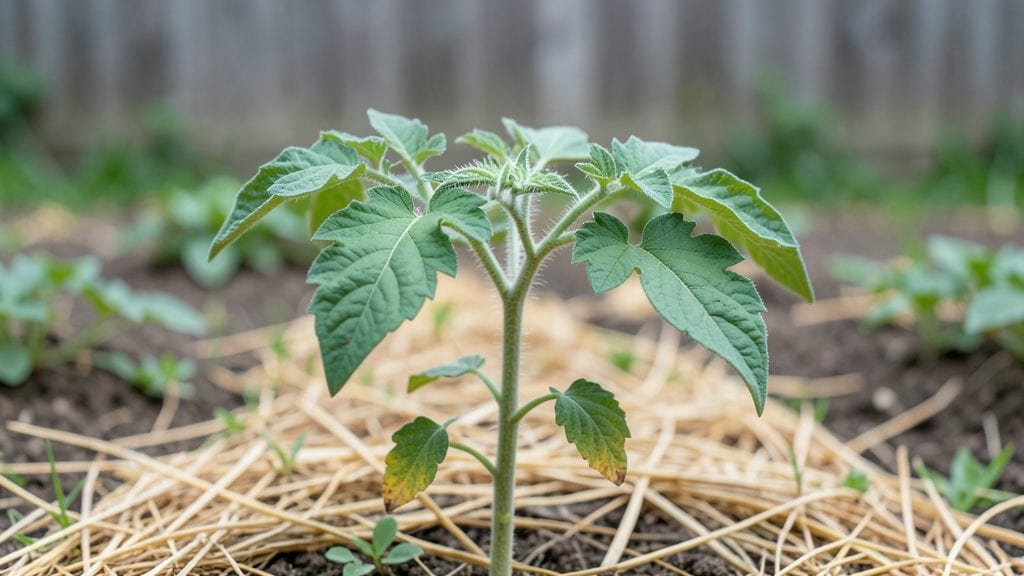
When your tomato seedling leaves curl down like a sad puppy’s ears, it’s a cry for help—not a death sentence. 🌱 I’ve nursed dozens of limp seedlings back to health, and the fixes are simpler than you’d think, especially when you catch the problem early.
The good news? Most cases resolve in 24-48 hours with the right action.
Overwatering, underwatering, or pests like spider mites are the usual culprits, but nutrient deficiencies or even temperature swings can trigger this too. The key is observing the plant’s other signals: yellowing leaves mean overwatering, crispy edges mean underwatering, and tiny webs mean mites.
My seedlings bounce back fastest when I address the root cause—not just the symptom.
You’ll have those leaves perky and reaching for the sun in no time. A quick check of soil moisture, a blast of water for mites, or a diluted fertilizer fix can turn things around. The worst that happens is you learn what your seedlings really need—no more guessing games.
Works for both indoor starts and greenhouse seedlings, and the fixes scale whether you’ve got one plant or a whole tray. Let’s get those leaves unfurling and growing strong again.
Root Causes Behind Curling Leaves
Understanding why your tomato seedling leaves are curling down starts with identifying the hidden stressors at play. These issues often stem from environmental mismatches, pest invasions, or physiological imbalances. Let’s break down the most common culprits—each with a clear scientific explanation and actionable clues to spot them early.
Tomato seedlings thrive in consistent moderate temperatures (60–75°F during the day, 55–65°F at night). When exposed to sudden heat spikes (above 85°F) or cold drafts (below 50°F), their leaves curl downward as a protective response to prevent water loss through transpiration.
Why it happens:
- Heat stress disrupts photosynthesis by denaturing enzymes in chloroplasts, forcing cells to conserve moisture by curling.
- Cold stress causes cell membrane damage, leading to wilting and curling as the plant prioritizes root survival over leaf function.
- Poor airflow (e.g., crowded seedlings or stagnant air) traps heat, accelerating stress.
🔍 How to spot it:
- Leaves curl uniformly downward across the entire plant.
- Soil feels dry on top but moist below (heat stress) or cold to the touch (cold stress).
- Seedlings near windows, heaters, or vents are most affected.
While tomatoes love moisture, soggy roots trigger anaerobic conditions, suffocating roots and starving leaves of oxygen. This forces leaves to curl as a distress signal to conserve energy.
Why it happens:
- Excess water displaces oxygen in the soil, leading to root rot (caused by Pythium or Phytophthora fungi).
- Compacted or clay-heavy soil holds too much water, preventing roots from accessing air.
- Lack of drainage holes in pots traps water, mimicking a swampy environment.
🔍 How to spot it:
- Leaves curl with a yellowish tint (chlorosis) or blackened stems at the base.
- Soil smells musty or sour when damp.
- Seedlings in plastic pots without drainage or heavy clay soil are high-risk.
Tiny invaders like aphids, spider mites, or whiteflies drain sap from leaves, causing them to curl inward as a defense mechanism. Fungal diseases (e.g., early blight or powdery mildew) also force leaves to twist to limit pathogen spread.
Why it happens:
- Sap-sucking pests inject toxins (e.g., aphid alarm pheromones) that disrupt plant hormones, leading to epinasty (downward curling).
- Fungal spores clog leaf stomata, reducing gas exchange and forcing leaves to fold inward to protect delicate tissues.
- Viral infections (spread by pests) alter cell structure, causing stunted, curled growth.
🔍 How to spot it:
- Sticky residue (honeydew) on leaves (aphids) or fine webbing (spider mites).
- White powdery patches (mildew) or dark spots with concentric rings (early blight).
- New growth curls more severely than older leaves (pest infestation).
Tomatoes are heavy feeders, and imbalances—especially lack of nitrogen, potassium, or magnesium—can cause leaves to curl as the plant prioritizes survival over growth.
Why it happens:
- Nitrogen deficiency (yellowing lower leaves + curling) occurs when soil lacks organic matter or fertilizer.
- Potassium deficiency (leaf edges curl upward, then downward) disrupts osmotic balance, making cells lose turgor.
- Magnesium deficiency (interveinal chlorosis + curling) stems from poor calcium uptake or high soil pH.
🔍 How to spot it:
- Yellowing between veins (magnesium) or entire leaf yellowing (nitrogen).
- Brown, crispy edges (potassium) or purple stems (phosphorus stress).
- Slow growth despite regular watering (general nutrient starvation).
Disturbing roots during repotting or transplanting severs root hairs, reducing water and nutrient uptake. Leaves curl as the plant conserves energy while roots recover.
Why it happens:
- Root pruning during transplanting triggers ethylene gas production, a stress hormone that causes curling.
- Overly compacted soil at the new site restricts root expansion, leading to hydraulic failure.
- Improper hardening off (sudden exposure to wind/sun) dries out leaves faster than roots can supply water.
🔍 How to spot it:
- Curling starts 2–5 days after transplanting.
- Wilting in the afternoon (roots can’t keep up with daytime water demand).
- New roots appear stunted when gently inspected.
While seedlings need gentle airflow, strong winds or direct midday sun can scorch leaves, causing them to curl as a sunburn protection mechanism.
Why it happens:
- Wind desiccation strips the cuticle layer (leaf wax), leading to water loss and curling.
- Excessive sunlight (especially in plastic trays or greenhouses) overheats leaves, causing photoinhibition (damaged chlorophyll).
🔍 How to spot it:
- Curling only on sun-exposed sides of leaves.
- White or brown patches (sunburn) on leaf edges.
- Seedlings near south-facing windows or outdoor breezes are vulnerable.
Quick Fixes for Reviving Wilted Tomato Seedlings
Now that you know the common culprits behind those drooping, curled-down tomato seedling leaves, it’s time to roll up your sleeves and get your plants back on track! Below are practical, step-by-step solutions tailored to each cause—plus prevention tips to keep your seedlings thriving long-term.
Signs: Yellowing leaves, soggy soil, or a musty smell. Solution:
- 🔥 Stop Watering Immediately
- Let the top 1–2 inches of soil dry out completely before watering again. Overwatering suffocates roots and invites fungal diseases like damping off.
- 👨🍳 Improve Drainage
- If your pots lack drainage holes, repot your seedlings into containers with holes or add a layer of perlite or coarse sand to the bottom.
- Mix in compost or coconut coir (20–30%) to improve aeration without compacting soil.
- ⏰ Adjust Your Watering Schedule
- Water only when the topsoil feels dry (stick your finger in—if it’s damp, wait!). Early morning is best to prevent fungal growth.
💡 Pro Tip: Use a moisture meter or the "squeeze test"—if soil clumps when pressed, it’s too wet.
Signs: Crispy edges, leaves curling downward like a sad turtle, or wilting in the afternoon. Solution:
- 🌡️ Provide Shade Cloth
- If temps exceed 85°F (29°C), drape 30–50% shade cloth over seedlings for 2–4 hours daily. You can also use a white sheet in a pinch.
- 🥗 Move to a Cooler Spot
- Place seedlings in a partially shaded area (e.g., under a tree or on a north-facing windowsill). Avoid direct midday sun until they’re hardened off.
- 💦 Increase Humidity (Temporarily)
- Mist leaves lightly in the morning (avoid evening misting to prevent fungal issues). A humidity dome or tray of water with pebbles can help.
✨ Prevention: Acclimate seedlings gradually to sunlight (hardening off) by exposing them to 1–2 hours of sun per day, increasing over 7–10 days.
Signs: Tiny holes, webbing, sticky residue, or leaves curled inward with chew marks. Solution:
- 🔪 Inspect & Remove Pests Manually
- Aphids/Spider Mites: Spray with a soapy water solution (1 tsp mild dish soap + 1 quart water). Repeat every 3–4 days.
- Whiteflies: Use yellow sticky traps or blast them off with a strong stream of water.
- Caterpillars: Handpick and drop into soapy water.
- 🌿 Introduce Natural Predators
- Release ladybugs or lacewings (available at garden centers) to eat pests naturally.
- 🎯 Prevent Future Infestations
- Neem oil spray (1 tsp neem oil + 1 quart water + drop of soap) applied weekly deters pests.
- Copper tape around pot edges repels slugs and snails.
💡 Pro Tip: Check the undersides of leaves daily—pests love hiding there!
Signs: Pale yellow leaves, stunted growth, or curling with a purplish tint (phosphorus deficiency). Solution:
- 📊 Test Your Soil
- Use a DIY soil test kit (or send a sample to a local extension office) to check pH and nutrient levels. Tomatoes thrive in slightly acidic soil (pH 6.0–6.8).
- 🍎 Apply a Balanced Fertilizer
- For seedlings: Use a low-nitrogen, high-phosphorus fertilizer (e.g., 5-10-10) to encourage root and leaf growth.
- DIY Fix: Mix 1 tbsp bone meal (for phosphorus) and 1 tbsp kelp meal (for micronutrients) into the soil.
- 💪 Avoid Over-Fertilizing
- More isn’t better! Half-strength fertilizer is safer for young seedlings. Wait until true leaves (not cotyledons) appear before fertilizing.
🔥 Emergency Boost: A weak compost tea (steep compost in water for 24 hours, strain, and dilute 1:10) provides quick nutrients.
If your seedlings are severely curled or wilted, try this 24-hour rescue plan: 1. 🌧️ Trim Damaged Leaves – Snip off only the worst-affected leaves with clean scissors to reduce stress.
- 🍅 Repot in Fresh Soil – If roots are rotting or soil is compacted, transplant into sterile potting mix (add mycorrhizal fungi for better root health).
- 🚿 Give a Lukewarm Water Bath – Soak the pot in room-temperature water for 10–15 minutes to rehydrate roots gently.
- 🌱 Support Weak Stems – Use toothpicks or small stakes to prop up floppy seedlings while they recover.
🎯 Remember: Prevention is key! Monitor soil moisture, pests, and sunlight daily, and your tomato seedlings will bounce back stronger. Happy gardening! 🌱🍅
Frequently asked questions about tomato seedling leaves curling down
Why do my tomato seedlings' leaves curl downward even when the soil feels moist?
This often signals heat stress or nutrient deficiencies. Seedlings curl to conserve water when temps exceed 85°F (29°C), or if they lack magnesium or potassium. Check for yellowing between veins (magnesium) or crispy edges (potassium). Move them to shade and test your soil pH—tomatoes prefer 6.0-6.8.
Can I save my seedlings if the curling is caused by overwatering?
Yes! Stop watering immediately and let the top 1-2 inches of soil dry completely. Repot in fresh, well-draining mix with perlite or compost to prevent root rot. If the stems feel mushy, trim the damaged parts and propagate healthy stems in fresh soil. Most seedlings recover within 24-48 hours if caught early.
How do I tell if pests are causing the curling versus environmental stress?
Check the undersides of leaves for tiny webs (spider mites), sticky residue (aphids), or chew marks. Pests cause curling with inward rolling and often appear on new growth first. Environmental stress (like heat) causes uniform downward curling across all leaves. Use a soapy water spray for pests or move seedlings to shade for heat stress.
Will my tomato seedlings recover if I don't fix the curling?
Mild curling from temporary stress may resolve, but persistent issues can stunt growth or attract diseases. If left untreated, seedlings may develop root rot (from overwatering) or fungal infections (like early blight). Act within 48 hours for best results—trim damaged leaves, adjust care, and monitor closely.
Can I use homemade remedies for curled tomato leaves?
For nutrient deficiencies, mix 1 tbsp bone meal + 1 tbsp kelp meal into soil. For pests, spray with neem oil solution (1 tsp neem + 1 quart water + drop of soap). For heat stress, mist leaves lightly in the morning and provide shade. Always test remedies on one seedling first to avoid over-stressing them.