Trees
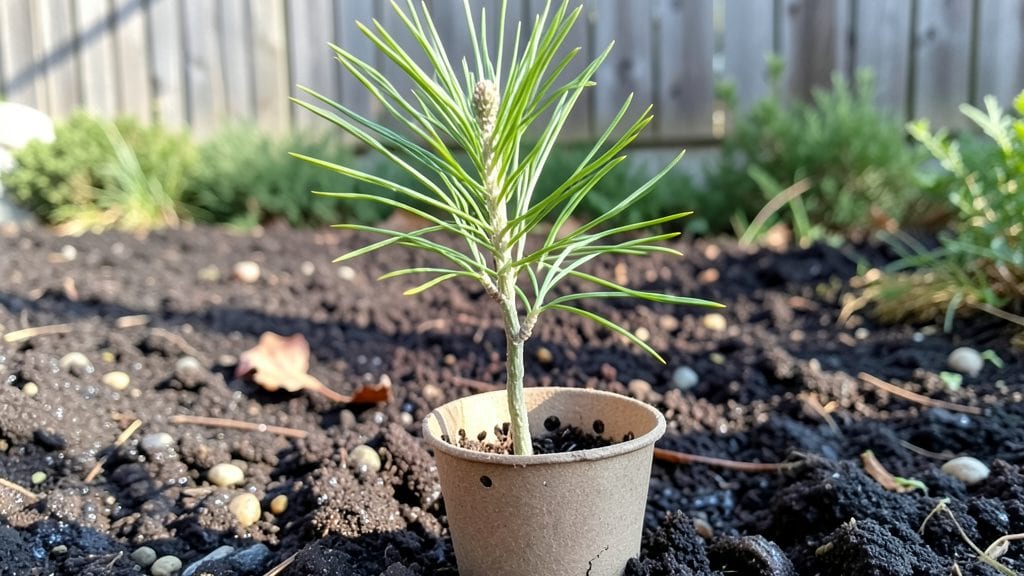
Growing a pine cone seedling requires collecting fresh pine cones, soaking them in warm water for 24-48 hours, then planting the seeds in well-draining soil with partial sunlight. Germination can take months or even years, so patience is essential.
Pine cones release seeds when they're exposed to moisture and warmth, which is why the soaking process mimics natural conditions. 🌱 The key here is using warm water—around 70°F—to activate the seeds without cooking them.
Many gardeners swear by adding a drop of dish soap to the water to reduce surface tension, helping seeds sink and absorb moisture more effectively. Once planted, maintain consistent moisture but avoid soggy soil, as pine seedlings are prone to root rot if overwatered.
For best results, use a mix of sandy loam and peat moss to replicate their natural forest floor habitat. Place your container in a spot with bright indirect light, like an east-facing window, and avoid direct afternoon sun, which can scorch tender seedlings.
If you're growing multiple species, keep notes on their specific needs—some pines, like the Ponderosa, germinate faster than others, such as the White Pine.
💡 In This Article
- Pine Cone Seed Germination Science Explained
- Best Pine Seedling Soil and Care Tips
Pine cone seed germination science explained
Pine seeds enter a state called dormancy to survive harsh conditions, which is why they often take months or even years to germinate. This built-in delay occurs because pine trees typically release seeds in late summer or fall, when temperatures are already cooling.
The seeds need specific triggers—moisture and temperature fluctuations—to break dormancy. Scientifically, this involves the seed's embryo sensing hydration and warmth, which activates enzymes that begin the germination process. Without these cues, the seed remains in a suspended state, waiting for ideal conditions.
The moisture trigger works by softening the seed coat, allowing water to penetrate and swell the embryo. At temperatures between 50-70°F, metabolic processes accelerate just enough to kickstart growth without overheating delicate tissues. This range mimics spring conditions, when natural moisture from snowmelt or rain combines with warming soil.
Some pine species, like the Eastern White Pine, require stratification—a cold period (around 40°F)—to simulate winter, breaking down internal growth inhibitors before germination can proceed.
Scarification, or physically damaging the seed coat, mimics natural wear-and-tear from wind or animal digestion, which can also trigger germination. For example, soaking pine cones in warm water for 24-48 hours softens the scales, allowing seeds to absorb moisture more easily.
Without this step, many seeds would remain dormant indefinitely, as their tough outer layers block water uptake. The science here is similar to how wildfires clear forest floors—both processes create opportunities for new growth by removing barriers.
Not all pine species follow the same rules. For instance, Ponderosa Pine seeds germinate more readily in well-drained, sandy soils, while Lodgepole Pine seeds often require smoke exposure to trigger germination—a phenomenon called serotinous germination. This adaptation helps them colonize areas after wildfires.
Understanding these species-specific needs is crucial, as forcing the wrong conditions can lead to failed germination attempts. The key is patience and replicating the seed's natural environment as closely as possible.
Once germination begins, the seed's radicle (root) emerges first, followed by the shoot, a process driven by hormonal signals like abscisic acid (which inhibits growth) and gibberellins (which promote it). The balance between these hormones shifts dramatically when conditions are right, turning a dormant seed into a sprouting seedling.
This biological dance explains why some seeds take years to germinate—they're waiting for the perfect hormonal and environmental alignment.
For gardeners, this means creating a microclimate that mimics the seed's native habitat. A 50-70°F temperature range with consistent moisture—without waterlogging—mimics spring conditions. Adding a layer of perlite to soil improves drainage, preventing the rot that can kill young seedlings.
The takeaway? Pine seeds aren't lazy—they're highly adapted to survive, and your role is to provide the right cues to unlock their potential. 🌱