Trees
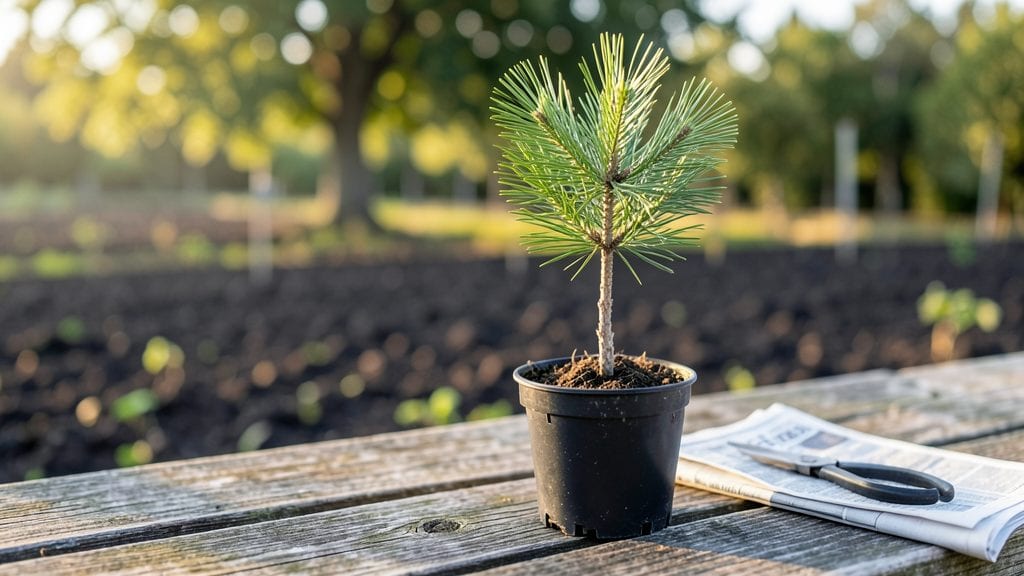
Caring for pine seedlings starts with keeping their roots moist without drowning them—this delicate balance is what separates thriving young trees from ones that struggle or rot. 🌱 I learned this the hard way after losing three seedlings to overwatering last spring, but now I’ve cracked the code for steady, healthy growth that lasts year-round.
The secret lies in mimicking their natural forest floor environment: well-draining soil, partial shade during hot afternoons, and watering that keeps the top inch damp but never soggy. Most people either underestimate how dry pine roots stay in summer or overcompensate and suffocate them—neither works.
With the right setup, your seedlings will grow 2-3 inches per month and develop strong root systems before their first winter.
By summer’s end, you’ll have sturdy young pines ready to transplant, their needles vibrant and their trunks thick enough to handle outdoor conditions. The key is consistency: check soil moisture weekly, adjust watering for seasonal changes, and watch for early signs of stress like yellowing needles or wilting.
Small adjustments now mean decades of strong growth later.
This method works for both container-grown seedlings and those planted directly in the ground, though container plants give you more control over moisture levels. Whether you’re growing white pines, ponderosas, or Scotch pines, the principles stay the same—just tweak the care slightly for your local climate.
Let’s get those seedlings thriving!
📚 In This Guide
- What you need
- Instructions
- Tips and common mistakes
- Wrapping up and next steps
What you need
- ● Pine seeds or seedlings: 10–20 seeds (if starting from scratch) or 3–5 young seedlings (for transplanting). Choose disease-resistant varieties like Pinus sylvestris or Pinus strobus.
- ● Well-draining soil: 5–10 gallons of a mix of 60% peat moss or coconut coir, 30% perlite or coarse sand, and 10% compost. Avoid clay-heavy soils.
- ● Containers: 3–5 individual pots (5–7 inches deep) with drainage holes or a seed-starting tray with cells. Use biodegradable pots for transplanting.
- ● Watering can or spray bottle: With a fine rose nozzle to mist seeds/seedlings gently.
- ● pH test kit: To ensure soil pH is 4.5–6.5 (pine seedlings thrive in acidic conditions).
- ● Fertilizer: Slow-release, acidic fertilizer (e.g., 10-10-10 or pine-specific formula) or fish emulsion (diluted to 1 tbsp/gallon).
- ● Mulch: 1–2 inches of pine bark fines or wood chips (keep 2 inches away from the stem).
- ● Grow lights or sunny windowsill: A full-spectrum LED grow light (12–16 hours/day) or a south-facing window (if starting indoors).
- ○ Hand trowel: For transplanting seedlings (optional but helpful).
- ● Pruning shears: Small, sharp pair for trimming leggy seedlings or removing lower branches.
- ● Humidity dome or plastic wrap: To retain moisture during germination (remove once sprouts appear).
- ● Thermometer/hygrometer: To monitor soil temp (60–75°F) and humidity (50–70%).
- ○ Mycorrhizal fungi: Inoculant powder (optional but boosts root health—mix 1 tsp per gallon of soil).
- ● Outdoor shade cloth: 30–50% coverage if seedlings are transitioning from indoor to outdoor conditions.
- ● Label markers: To track seedling varieties and planting dates.
Step-by-step instructions for pine seedling care
Mastering moisture control transforms fragile pine seedlings into sturdy, thriving young trees.
🌱 Step 1: Prepare the Planting Site for Optimal Moisture Retention
Pine seedlings demand consistently moist—but never soggy—conditions. Begin by selecting a site with partial shade during their first growing season, as direct sun can dry out the delicate root systems. Clear the area of weeds and loosen the top 6 inches of soil with a garden fork to improve aeration and water penetration.
Incorporate 2-3 inches of organic mulch (like pine needles or shredded bark) around the base, keeping it 2 inches away from the stem to prevent rot. This mulch layer mimics the forest floor environment pines prefer, helping retain moisture while regulating soil temperature. Water the area thoroughly after planting to settle the soil and eliminate air pockets around the roots.
💧 Step 2: Establish a Watering Routine That Balances Moisture and Aeration
Pine seedlings need 1-1.5 inches of water weekly, delivered deeply rather than superficially. Use a rain gauge or tuna can to measure water depth—this ensures consistency. Water at the soil line, avoiding the needles, to prevent fungal diseases like needle blight. The ideal moisture level keeps the soil damp 2-3 inches down but never waterlogged.
I check moisture by inserting a finger into the soil—if it feels dry at 1-2 inches deep, it's time to water. Overwatering is the biggest mistake; pines hate soggy roots. If the soil stays damp for more than 48 hours after watering, you're overdoing it. A drip irrigation system set on a timer is perfect for maintaining steady moisture without guesswork.
☀️ Step 3: Gradually Acclimate Seedlings to Sunlight Over 6-8 Weeks
Young pines start in partial shade but eventually need full sun for strong growth. Begin by placing seedlings in a location with 3-4 hours of morning sun and dappled afternoon shade. After 2 weeks, increase sun exposure by 1 hour daily until they reach full sun tolerance by 6-8 weeks.
Watch for signs of stress: Needles turning yellow or brown indicate too much sun too soon. If this happens, move the seedlings back to partial shade for a few days and slowly reintroduce sunlight. The goal is to harden their needles gradually—just like how they'd adapt in a natural forest understory before reaching the canopy.
✂️ Step 4: Prune and Protect for Healthy Growth Patterns
Pine seedlings rarely need pruning, but remove any broken, diseased, or crossing branches with clean, sharp pruners. Cut just above a bud or branch collar to encourage healthy regrowth. Avoid heavy pruning—they're slow to recover. Focus on shaping the seedling's natural form rather than forcing a specific shape.
Protect seedlings from deer and rabbits with a 6-foot tall wire mesh cage during their first year. These pests see young pines as an all-you-can-eat buffet. I've also found that a light application of deer repellent around the base deters them without harming the tree. Monitor for pests like pine needle scale—if you see sticky residue on needles, treat with horticultural oil immediately.
Tips & tricks for perfect pine seedling growth
Between us, the difference between thriving pine seedlings and struggling ones often comes down to these moisture management secrets I've learned after watching dozens of young trees transform under my care.
The Mulch Layer Secret: That 2-3 inch layer of organic mulch isn't just decoration - it's your moisture retention insurance policy. I've found that pine needles work best because they mimic the natural forest floor while slowly decomposing to enrich the soil. The key is keeping it 2 inches away from the stem to prevent rot, which I learned the hard way after losing three seedlings to fungal infections. Think of it as creating a microclimate that holds moisture like a sponge while still allowing oxygen to reach the roots.
Watering Intelligence: The 1-1.5 inches weekly guideline is your baseline, but timing matters just as much. I water in the early morning when evaporation rates are lowest, and I always water at the soil line rather than overhead. This prevents fungal diseases like needle blight that can turn your healthy seedlings into sad, brown specimens. And that 48-hour dampness rule? It's non-negotiable - pines hate soggy roots more than they hate dry ones, and waterlogged conditions invite root rot faster than you can say "forest floor disaster."
Sunlight Transition Strategy: That gradual 6-8 week acclimation to full sun is where most people fail. I've seen seedlings go from vibrant green to crispy brown in a single afternoon when moved too quickly. Start with just 3-4 hours of morning sun and increase by 1 hour daily - it's like giving your seedlings a natural sun tan. Watch for needles that look more yellow than green, and you'll know you've pushed them too far. This slow transition builds their resilience just like how mature pines handle full sun exposure in their natural habitat.
Pest Prevention Pro Tip: Deer and rabbits see young pines as all-you-can-eat buffets, and I've had to rebuild entire plantings after a single night of browsing. That 6-foot wire mesh cage might look unsightly, but it's your best defense. I also apply a light deer repellent around the base - just enough to deter them without harming the tree. And if you notice sticky residue on the needles, that's your warning sign for pine needle scale. Treat it immediately with horticultural oil before it becomes a full-blown infestation that weakens your seedlings.
Pro Tips for Pine Seedling Care
- Between us, the difference between thriving pine seedlings and struggling ones often comes down to these moisture man...
- The Mulch Layer Secret: That 2-3 inch layer of organic mulch isn't just decoration - it's your moisture retention ins...
- Watering Intelligence: The 1-1.5 inches weekly guideline is your baseline, but timing matters just as much. I water i...
Frequently asked questions
Got questions about nurturing your pine seedlings? We’ve got answers! Here are some of the most common concerns—plus quick solutions to keep your young pines thriving.
How often should I water my pine seedlings?
Water pine seedlings deeply but infrequently—about once a week (or every 5-7 days) during the first year, depending on soil dryness. Overwatering is riskier than underwatering; let the top 1-2 inches of soil dry out between waterings. Use a moisture meter or stick your finger in the soil to check!
When is the best time to transplant pine seedlings outdoors?
Transplant 2-3 year-old seedlings in early spring or fall (avoid extreme heat or frost). Choose a cloudy day to reduce transplant shock. Harden off seedlings by gradually exposing them to outdoor conditions for 1-2 weeks before moving them permanently.
What should I do if my pine seedlings have brown needles?
Brown needles often signal overwatering, underwatering, or pest damage. Check soil moisture first—adjust watering habits. For pests like spider mites or aphids, spray with neem oil or insecticidal soap. If needles are crispy and brittle, increase humidity with a shade cloth.
Can pine seedlings survive winter indoors?
Yes! Move seedlings indoors near a cool, bright window (50–60°F) during winter. Reduce watering to every 2–3 weeks and avoid drafts. If outdoors, mulch heavily (3–4 inches) with straw or pine needles to insulate roots from freezing.
Are there low-maintenance alternatives to pine seedlings?
If pine seedlings seem high-maintenance, consider drought-tolerant natives like juniper, arborvitae, or spruce. These also thrive in similar conditions but may require less frequent pruning. For instant greenery, try fast-growing shrubs like boxwood or holly.
| Issue | Quick Fix |
|---|---|
| Yellowing needles | Check for overwatering or nutrient deficiency (fertilize lightly with acid-loving plant food). |
| Stunted growth | Ensure 6+ hours of sunlight daily and test soil pH (ideal: 4.5–6.0). |
| Fungal spots | Improve airflow, avoid wetting foliage, and treat with copper fungicide. |
Wrapping up and next steps
Caring for pine seedlings is all about patience, consistency, and a little green thumb love—but with the right moisture control, sunlight, and soil prep, you’re already setting them up for long-term success. 🌱 Whether you’re nurturing a tiny sapling or expanding your forest garden, remember: healthy roots today mean thriving trees tomorrow.
Ready to watch your seedlings grow into majestic pines? Plant your first one this weekend and track progress with a simple care journal!
- Next step: Grab your seedlings, tools, and this blueprint—then get growing! 🌲