
Lawn
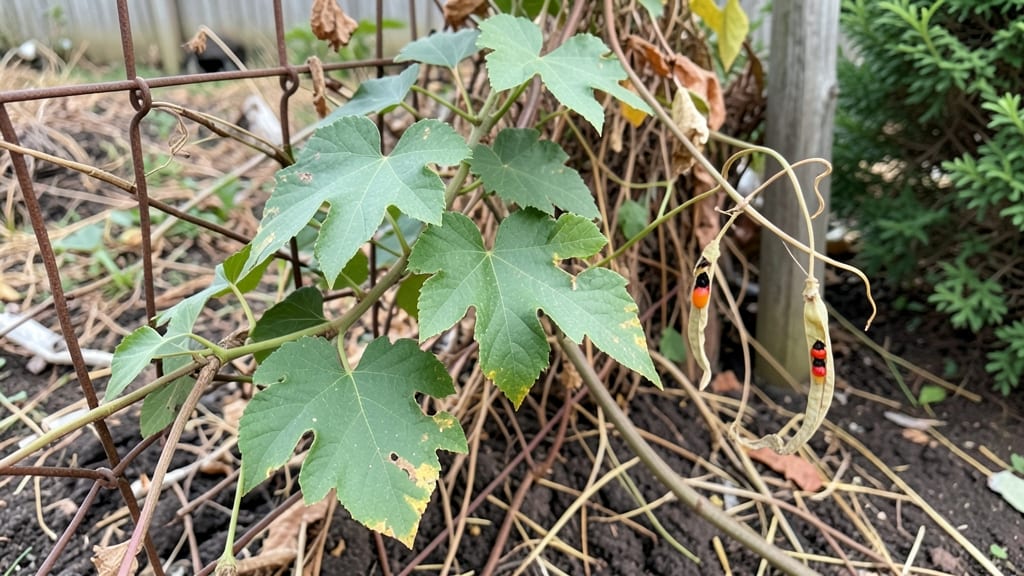
Passionflower seed pods are nature’s way of promising next year’s vibrant blooms—if you know how to handle them right. 🌿 I’ve spent years collecting these papery pods only to watch seeds fail to germinate, until I finally cracked the timing and drying process.
The difference between a thriving vine and a wasted harvest comes down to when you pick them, how you dry them, and where you store them.
You’ll need just a few simple supplies: sharp scissors, a well-ventilated drying space, and paper bags for storage. The pods must be fully ripe—when they turn brown and split open naturally—but not so dry they crumble.
Once collected, proper airflow is key to preventing mold while preserving viability. Even experienced gardeners overlook this step, and it’s the reason many seeds never sprout.
With the right technique, you’ll watch those seeds germinate within 2-4 weeks, producing sturdy seedlings ready for transplanting by spring. The payoff? A lush vine covered in 3-inch passionflowers by midsummer, attracting hummingbirds and butterflies while adding dramatic foliage to your garden.
The secret lies in patience—these seeds won’t rush, but they’ll reward you with years of growth if handled carefully.
Works in zones 5-10, whether you’re growing in full sun or partial shade, and adapts to containers or in-ground planting. Here’s how to turn those pods into next year’s centerpiece without the guesswork.
📚 In This Guide
- What you need
- Instructions
- Tips and common mistakes
- Wrapping up and next steps
What you need
- ● Passionflower vines – Healthy, mature vines with fully ripened seed pods (turning brown/black). Aim for at least 5-10 pods for a good yield.
- ● Pruning shears or sharp scissors – For cleanly snipping pods from the vine (sterilize with rubbing alcohol to prevent disease spread).
- ● Paper towels or newspaper – To line a drying surface and absorb excess moisture.
- ● Brown paper bags or mesh breathable bags – For drying pods (avoid plastic; it traps moisture). 1-2 bags per 5 pods.
- ● Pencil or label markers – To label bags with the variety name and harvest date.
- ● Air-tight storage containers – Glass jars, metal tins, or resealable bags with silica gel packets (for long-term storage). 1 container per 10-15 dried pods.
- ○ Optional but helpful: Glove – Passionflower pods can be prickly! A lightweight gardening glove protects your hands.
- ● Fan or dehumidifier – Speeds up drying in humid climates.
- ● Seed tray or egg cartons – For organizing small seeds during germination tests (if saving for planting).
- ● Digital scale – To monitor moisture loss during drying (aim for <10% moisture content).
- ● Timing: Harvest pods when they’re fully ripe (late fall/winter) but before they split open naturally. 💡 Pro tip: Give them a gentle squeeze—if they’re hard and dry inside, they’re ready!
- ● Weather: Choose a dry, sunny day (70-80°F is ideal) for harvesting and drying. Avoid rainy or overly humid conditions.
- ● Space: A clean, well-ventilated area (like a garage, shed, or indoor drying rack) with indirect sunlight.
Step-by-step instructions for harvesting, drying, and storing passionflower seed pods
Here’s the precise method I’ve used for years to preserve these delicate pods without losing viability.
🌿 Step 1: Identify and Harvest Ripe Seed Pods
Passionflower seed pods are ready when they turn from vibrant green to a papery brown, typically 8-12 weeks after flowering. Gently twist the pod from the vine—don’t pull, or you’ll risk damaging the stem. I look for pods that feel slightly dry to the touch but haven’t yet split open; these contain the most viable seeds.
Harvest on a dry, sunny morning when humidity is low. This prevents mold from forming during drying. If pods are still green, leave them—unripe seeds won’t germinate. Overripe pods (those already splitting) should be discarded, as their seeds lose viability quickly.
⏰ Step 2: Dry the Pods Properly
Spread the harvested pods in a single layer on a wire mesh screen or clean paper towels in a well-ventilated, dry location with indirect sunlight. Direct sun will scorch them, while poor airflow risks mold. I place mine on a windowsill away from drafts—65-75°F is ideal. Turn pods every 2-3 days to ensure even drying.
Drying takes 2-4 weeks, depending on humidity. You’ll know they’re ready when the pods feel brittle and rattle when shaken. If they still bend slightly, they need more time. Store them in a paper bag (not plastic) to prevent moisture buildup, which can cause mold.
🪴 Step 3: Extract and Store Seeds
Once fully dry, gently crush the pods between your fingers over a clean surface to release the seeds. Passionflower seeds are small and black, often coated in a gelatinous residue—this is normal and doesn’t affect germination. Sift through the debris to separate the seeds, then transfer them to a small envelope or airtight container with a desiccant packet to absorb any lingering moisture.
Label the container with the variety name and harvest date. Store in a cool, dark place (like a pantry) where temperatures stay 50-60°F. Seeds remain viable for 2-3 years under these conditions. Avoid refrigeration—fluctuating humidity can reduce germination rates.
💧 Step 4: Prep for Planting Next Season
Before sowing, soak the seeds in lukewarm water for 12-24 hours to soften the outer coating and speed up germination. This step is critical—passionflower seeds have a hard seed coat that slows sprouting. After soaking, plant them ¼ inch deep in well-draining potting mix and keep the soil consistently moist until germination, which takes 2-4 weeks in 70-75°F conditions.
Watch for first true leaves (not the initial cotyledons) before transplanting seedlings outdoors. Passionflowers thrive in full sun and humid climates, so choose a sheltered spot if your area has harsh winters. Mulch around the base to retain moisture and protect roots.
Tips & tricks for perfect passionflower seed pod preservation
A few key strategies will ensure your passionflower seeds stay viable and ready for next season's planting.
The Harvest Factor: Timing is everything when harvesting passionflower seed pods. I've learned the hard way that pods must be at that perfect papery brown stage—neither too green nor already split open. The 8-12 week window after flowering is critical. Harvest on dry mornings to prevent moisture from causing mold during drying. I always check for that slight dryness to the touch—it's the best indicator of readiness.
Drying Wisdom: The 65-75°F temperature range during drying is non-negotiable. Too hot and you'll scorch them; too cool and you risk mold. I use a windowsill with indirect sunlight, turning pods every 2-3 days for even drying. The 2-4 week drying period can feel long, but patience here prevents mold and ensures seed viability. Look for that brittle, rattling sound—it's your cue they're ready.
Storage Secrets: Once seeds are extracted, store them in a cool, dark place at 50-60°F—never refrigerate. I've seen germination rates drop dramatically when seeds experience humidity fluctuations. That desiccant packet in your storage container is your best friend—it absorbs any lingering moisture that could ruin your seeds. Labeling with variety and harvest date saves headaches when you're ready to plant next spring.
Germination Boost: The 12-24 hour lukewarm soak before planting is where the magic happens. This softens that tough outer coating that would otherwise slow germination. I use a glass jar with just enough water to cover the seeds—no need for fancy equipment. After soaking, plant them ¼ inch deep in well-draining mix and maintain consistent moisture. The 2-4 week germination window in 70-75°F conditions is where your patience pays off with those first true leaves.
Pro Tips for Passionflower Seed Pods
- A few key strategies will ensure your passionflower seeds stay viable and ready for next season's planting.
- The Harvest Factor: Timing is everything when harvesting passionflower seed pods.
- Drying Wisdom: The 65-75°F temperature range during drying is non-negotiable.
Frequently asked questions
Got questions about harvesting, drying, or storing passionflower seed pods? You’re not alone! Here are some of the most common queries—and their answers—to help you master the process like a pro.
When is the best time to harvest passionflower seed pods?
Harvest passionflower seed pods when they turn brown and papery (usually late summer to early fall). Avoid harvesting too early—they won’t be fully mature, and seeds may not germinate well. Wait until pods split open naturally or gently pry them off if they’re dry but still intact.
How long does it take for passionflower seed pods to dry?
Drying time depends on your climate, but pods typically take 1–3 weeks in a well-ventilated, dry space (like a mesh bag or paper bag with holes). Speed up the process by placing them in a warm, dry spot (e.g., near a sunny window or under a fan). Avoid direct sunlight—it can scorch the pods!
Can I store passionflower seeds in the fridge or freezer?
While seeds can last 1–2 years in a cool, dry place (like a sealed jar or airtight container), the fridge or freezer isn’t necessary unless you’re storing them long-term (3+ years). Just keep them in a paper envelope or breathable bag to prevent moisture buildup, which can cause mold.
What if my passionflower pods won’t open naturally?
If pods stay closed, they’re likely underripe. Wait a few more weeks and check again. If they’re truly dry but stubborn, gently squeeze the pod—seeds should pop out easily. If they’re still hard, they may need more drying time. Avoid forcing them open prematurely, or you risk damaging the seeds.
Can I use passionflower seed pods for anything other than planting?
Beyond seeds, dried passionflower pods can be used in herbal teas (for relaxation) or as natural decorations (hang them for a rustic touch). Just ensure they’re fully dry and pesticide-free before use. Pro tip: Some gardeners even use them in DIY potpourri for a floral, earthy scent!
Wrapping up and next steps
Harvesting, drying, and storing passionflower seed pods is a rewarding way to ensure next year’s vibrant blooms—while adding a touch of nature’s magic to your garden! 🌸 With the right tools and patience, you can turn these unique pods into a sustainable source of seeds for future growth.
Whether you’re a seasoned gardener or just starting, every step brings you closer to a thriving, self-sustaining garden.
Now that you’re armed with the know-how, take the next step—head outside, find those ripe pods, and start your passionflower legacy! Share your progress with fellow gardeners or experiment with creative uses like crafts or natural remedies. Happy gardening! 🌿✨