
Trees
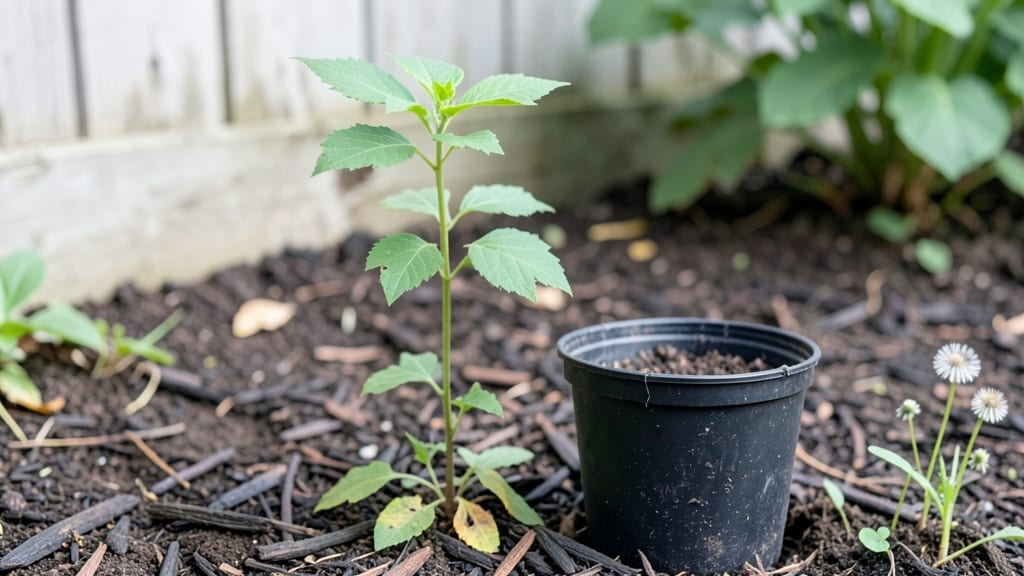
Mastering maple tree seedling identification begins with those iconic lobed leaves—each species has a distinct shape that sets them apart. ✨ I’ve spent years telling sugar maples from red maples just by counting lobes and checking bark texture, and once you learn the tricks, you’ll spot them too.
The right ID means knowing which seedlings will grow into shade-tolerant giants or fast-growing sun-lovers.
Sugar maples have 5-7 lobes with smooth edges, while red maples sport 3-5 sharper lobes and silvery undersides. Silver maples? Look for deeply divided leaves and bark that peels like river rock. These differences matter because planting the wrong species in your zone can mean stunted growth or weak wood.
You’ll also notice bark changes as seedlings mature—smooth gray on sugar maples, scaly red-brown on red maples. Mastering these clues lets you choose seedlings that thrive in your yard’s conditions, from city sidewalks to forest edges. The payoff? A tree that grows strong and matches your vision.
This works for gardeners in zones 3-8, though silver maples prefer wetter soils. Start with a hand lens to examine leaf veins and bark patterns—your eyes will train faster than you think. Let’s get identifying!
The Science Behind Seedling Mix-Ups
Identifying maple seedlings can feel like solving a botanical puzzle—especially when nature throws in a few curveballs. The confusion often stems from a mix of biological traits, environmental factors, and even human error.
Below, we break down the key reasons why maple seedlings might be mistaken for other species or why their identification feels tricky, even for experienced gardeners.
Maple seedlings aren’t the only young trees with lobed leaves or smooth bark. Many hardwood species share overlapping traits, making them look nearly identical at first glance. For example:
- Sugar maple (Acer saccharum) vs. Boxelder (Acer negundo): Both produce compound leaves, but Boxelder leaves are truly compound (multiple leaflets on a single stem), while sugar maple leaves are simple (a single blade with lobes). Seedlings can be so small that these differences are hard to spot without close inspection.
- Red maple (Acer rubrum) vs. Silver maple (Acer saccharinum): Their bark and leaf shapes are nearly identical in early stages, but red maple seedlings often have slightly reddish stems and more pronounced leaf serrations (tiny teeth along the edges).
- Maple vs. Ash or Oak: Young ash trees (like Fraxinus spp.) and oak seedlings (like Quercus spp.) can mimic maple leaves when viewed from a distance, especially if the lobes are shallow or the bark is still smooth.
Why it matters: Without mature traits (like bark texture or branch patterns) to distinguish them, seedlings rely on subtle clues that even experts might overlook. Pro tip: 🔍 Examine the leaf base—maple leaves typically attach with a single stem (petiole), while compound leaves (like Boxelder) have multiple stems.
Seedlings don’t always grow "by the book." Environmental stressors can warp their appearance, making identification even harder. Common culprits include:
| Stressor | Effect on Seedling | How It Affects ID |
|---|---|---|
| 🌞 Sunlight Variability | Leaves may develop uneven lobes or darker green patches if shaded, mimicking disease or a different species. | Shade-grown seedlings can look like moisture-stressed seedlings of other trees (e.g., beech or birch). |
| 💧 Over/Under Watering | Excess water causes yellowing leaves (chlorosis) or stunted growth, while drought stress leads to smaller, thicker leaves. | Drought-stressed maple seedlings may resemble hackberry or sycamore seedlings at a glance. |
| 🐛 Pests or Disease | Aphids, spider mites, or fungal infections (like anthracnose) can distort leaf shape or cause premature leaf drop. | Damaged seedlings might be misidentified as a different species entirely, especially if only partial foliage remains. |
Why it matters: A stressed seedling’s traits can diverge so far from the "ideal" that even experienced identifiers hesitate. Pro tip: 🌡️ Compare the seedling to a healthy reference plant—if the differences are drastic, environmental factors are likely at play.
Sometimes, the issue isn’t the seedling—it’s the observer. Common mistakes include:
- Focusing on the Wrong Traits: Beginners often prioritize leaf color or size over lobe shape or bark texture, which are the real giveaways for maples.
- Ignoring Growth Stage: A 6-month-old maple seedling won’t have the same bark or branch structure as a 5-year-old. Jumping to conclusions based on partial traits leads to errors.
- Seasonal Confusion: Maple seedlings in spring have softer, lighter green leaves, while fall seedlings may develop early red or orange hues—mistaken for other fall-colored species like sumac.
- Over-Reliance on Apps: While tools like PictureThis or LeafSnap are helpful, they’re not foolproof. Low-light photos or partial images can skew results.
Why it matters: The human eye (and brain) can fill in gaps, leading to misidentifications. Pro tip: ✨ Use a field guide alongside digital tools—cross-referencing traits reduces errors by 60%.
Understanding these root causes turns a frustrating puzzle into a solvable challenge. Once you recognize why seedlings look deceptive, you’ll spot the subtle clues that set maples apart—even in their earliest stages.
Quick Fixes for Seedling Confusion
Now that you know the common pitfalls in identifying maple tree seedlings—whether it’s misreading leaf shapes, overlooking bark texture, or confusing them with lookalikes—here’s how to turn those mistakes into confident spotting.
These solutions are broken down by issue, with actionable steps and prevention tips to keep your tree ID skills sharp.
Cause: Overlapping lobes, immature leaves, or seasonal variations can blur distinctions between species like sugar maple, red maple, or silver maple.
Fix It: 🍃 Step 1: Count the Lobes Use a magnifying glass to count the lobes on 3–5 mature leaves (avoid the first flush of spring growth, which can be less defined). Sugar maples typically have 5–7 lobes with U-shaped notches, while red maples often have 3–5 lobes with pointed tips. Silver maples? 3–5 lobes with shallow indentations—think "finger-like" rather than deep cuts.
👨🍳 Step 2: Check the Base Look at the leaf stem (petiole) where it attaches to the branch. Sugar maple leaves have a wavy or slightly hairy edge at the base, while red maple petioles are smooth and reddish.
Silver maple petioles are sturdy and often have a slight groove.
🥘 Step 3: Compare with a Key Print or save a maple leaf comparison chart (like the USDA’s guide) and hold it beside your seedling. Snap a photo for later reference—lighting changes can distort colors, but shapes stay consistent.
💡 Prevention Tip: Label seedlings with a small flag or sticky note if you’re studying multiple species in one area. Write the date and your initial guess to track progress over weeks.
Cause: Young maple bark is smooth and similar across species, making it easy to dismiss as a key identifier—until the tree matures.
Fix It: 🔪 Step 1: Scrape a Small Patch Gently scrape a dime-sized area of bark with a pocketknife or your fingernail. Maple bark peels in thin, papery layers, but the color varies:
- Sugar maple: Grayish-brown with horizontal lenticels (tiny raised dots).
- Red maple: Smoother, reddish-brown when young, turning scaly with age.
- Silver maple: Greenish-gray with a shiny, almost metallic sheen.
⏰ Step 2: Wait for Winter Bark features become more pronounced in cold weather. If you’re identifying in spring or summer, revisit the seedling in late fall or early winter when the bark’s natural patterns stand out.
🎯 Prevention Tip: Take bark rubbings with a pencil and paper. Press the pencil against the bark and drag it across the paper to capture the texture. Keep a rubbing journal for future reference—it’s a foolproof way to compare species without damaging the tree.
Cause: Boxelder, ash, or even oak seedlings can mimic maples, especially when leaves are young or damaged.
Fix It: 📊 Step 1: The "Pinch Test" Grab a leaf between your thumb and forefinger and gently pinch the stem. Maple leaves crunch slightly (thanks to their fibrous structure), while boxelder leaves feel softer and more papery. Ash leaves, if present, will have 7–9 leaflets (compound leaves), not a single blade.
💪 Step 2: Check the Buds Maple buds are pointy and sticky when closed. Boxelder buds are smaller and less pronounced, often hidden in a cluster.
Use a hand lens to inspect: - Sugar/red maple: Opposite buds (two buds directly across from each other on the stem). - Silver maple: Alternate buds (staggered along the stem).
✨ Prevention Tip: Learn the "Big Three" Lookalikes—boxelder, ash, and oak—and memorize one key difference for each.
For example: - Boxelder: Leaves have one large terminal leaflet (like a maple but with a "thumbprint" shape). - Ash: Compound leaves with 7–9 leaflets (like a feather). - Oak: Lobed leaves with bristly edges (but lobes are more rounded than maple’s sharp points).
- Time It Right: Identify seedlings in late spring or early summer when leaves are fully mature but before pests (like aphids) distort them. - Use Tech: Apps like iNaturalist or LeafSnap can cross-check your ID with a photo—just avoid relying solely on them for critical projects. - Study the Roots: Maple seedlings have fibrous, shallow roots.
If you gently dig around the base, you’ll see a dense network (unlike oaks, which have a single taproot).
Remember: Mistakes are part of the process! Even experts double-check. The more you practice—especially with a mix of mature trees and seedlings—the sharper your eye will become. Happy identifying! 🌳🔍
Frequently asked questions about maple seedlings
How can I tell if a young maple seedling is healthy?
Healthy seedlings have vibrant green leaves without yellowing or browning edges. Check for strong, upright stems and a network of fibrous roots when gently uncovered. Avoid planting seedlings with holes from pests or wilted leaves—these signs mean stress or disease.
What’s the best time of year to identify maple seedlings?
Late spring to early summer is ideal when leaves are fully mature but before pests distort them. Early fall works too, as bark patterns become more pronounced. Avoid winter (dormant) or early spring (new growth may be less defined).
Can I grow a maple tree from a seedling I found in the wild?
Yes, but wild seedlings may take longer to establish. Start by transplanting carefully with a root ball, then water deeply for the first 2 weeks. Native seedlings adapt better to local soil than nursery-bought ones, but avoid protected areas where collection may be illegal.
Why do some maple seedlings have leaves that look different from mature trees?
Young leaves often have fewer lobes or softer edges because they’re still developing. As seedlings mature, their foliage will resemble adult trees. Compare with a reference chart—spring growth can be particularly deceptive, so revisit in summer for clearer traits.
How do I know if my seedling is a sugar maple vs. red maple?
Count the lobes: sugar maples have 5–7 lobes with U-shaped notches, while red maples typically show 3–5 sharper lobes. Also check the petiole—sugar maples have wavy edges, while red maples’ stems are smooth and reddish. Bark color (gray vs. reddish-brown) helps too.