
Lawn
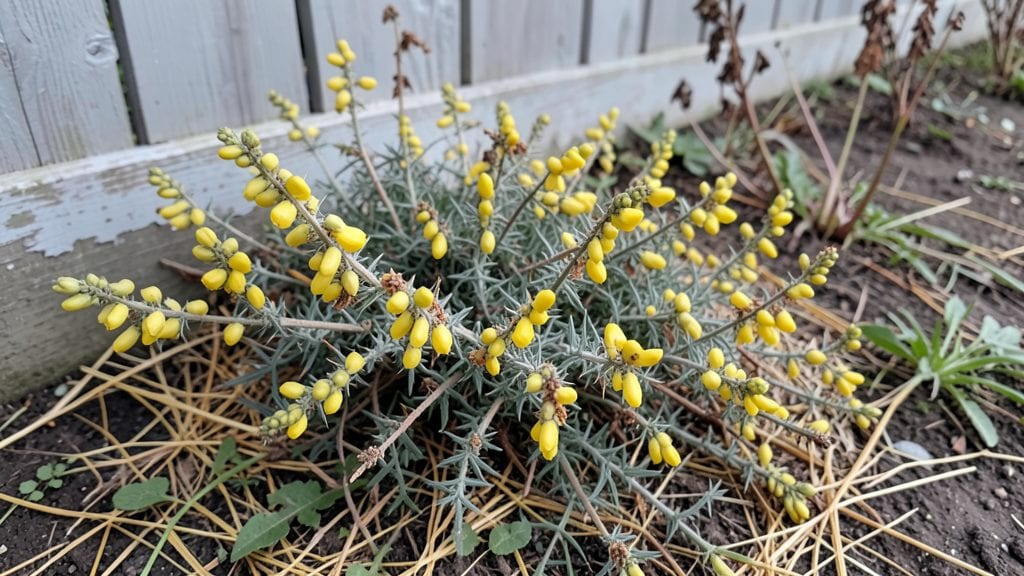
To identify seed pods, focus on their unique shapes—oval pods often belong to legumes like peas or beans, while spiky or capsule-like forms typically signal milkweed or poppies. Cross-reference with leaf patterns, seed placement, and growth habits for accurate plant matching.
Seed pods reveal a plant's identity through their distinct physical traits, acting like nature's fingerprint. 🌱 For example, pea pods curve gracefully while milkweed pods develop dramatic spikes, and these differences aren't just cosmetic—they reflect evolutionary adaptations for seed dispersal.
I've found that timing matters too: some pods only reveal their true shape after splitting open, while others maintain their form until fully mature.
Beyond visual cues, consider the plant's environment—pods growing in dense foliage might belong to different species than those in open fields. This layered approach helps avoid common mistakes, like confusing similar-looking pods from unrelated plants in the same family.
💡 In This Article
- Seed Pod Morphology: Key Visual Traits for Plant ID
- Field Guide: Matching Seed Pods to Common Garden Plants
Seed pod morphology: key visual traits for plant ID
Seed pod structures are far more than just containers—they're evolutionary masterpieces designed for survival. Take the Fabaceae family (legumes like peas and beans), where pods split open along two seams to release seeds.
This dehiscent mechanism creates a telltale "zipper" effect, while indehiscent pods (like maple samaras) remain closed, relying on wind dispersal. The difference isn't random: dehiscent pods thrive in dense vegetation where seeds need to spread quickly, while winged pods excel in open areas where wind currents dominate.
Texture reveals even more secrets. Milkweed pods develop spiky, velvety exteriors that protect seeds from predators while allowing wind to carry them—each spike measures about 0.5-1 cm long. Compare this to poppy pods, which are smooth and papery, designed to burst open explosively when mature.
The Brassicaceae family (like mustards) often produces elongated, four-sided pods that split into two valves, creating a distinctive "X" pattern when viewed from above. These variations aren't just cosmetic; they reflect 150 million years of adaptation to specific dispersal strategies.
Seasonal variations add another layer of complexity. Young pods often appear similar across species, but maturity reveals key differences. For instance, green pea pods stay firm until harvest, while mature milkweed pods turn brown and develop their signature spikes.
What most people overlook is how light conditions affect coloration—shady pods may stay green longer, while sun-exposed ones develop faster. This is why accurate ID requires examining both current and past-season growth patterns in the same plant.
Taxonomists use these traits like a biological code. The Papaveraceae family (poppies) produces rounded, capsule-like pods that split at the top, while Fabaceae pods typically remain attached at one end. Even the seed arrangement inside matters—pea pods contain seeds in a single row, while some legumes have two parallel rows.
These structural differences help scientists classify plants at the family level, much like how fingerprints identify humans. The key is understanding that no single trait guarantees ID; it's the combination of shape, texture, and growth habit that unlocks accurate matching.
Common misidentifications often stem from seasonal confusion. For example, young okra pods resemble green beans until they develop their characteristic ribbed texture and 5-10 cm length. Similarly, dandelion seed heads look like tiny parachutes, but their milky sap and toothed leaves distinguish them from similar-looking thistles.
What I've learned from fieldwork is that pod density matters too—clustered pods suggest one species, while solitary pods indicate another. Always examine three traits before making a call: shape, texture, and growth pattern.
Here's what actually happens when pods mature: dehiscent pods use hygroscopic cells that swell with moisture and contract when dry, creating mechanical pressure to split open. This "seed ejection" can launch seeds up to 10 feet away—a clever adaptation for avoiding competition with the parent plant.
In contrast, indehiscent pods rely on external forces like wind or animals. Understanding these mechanisms helps explain why some pods appear identical until they mature, then reveal their true identities through dramatic structural changes.