
Trees
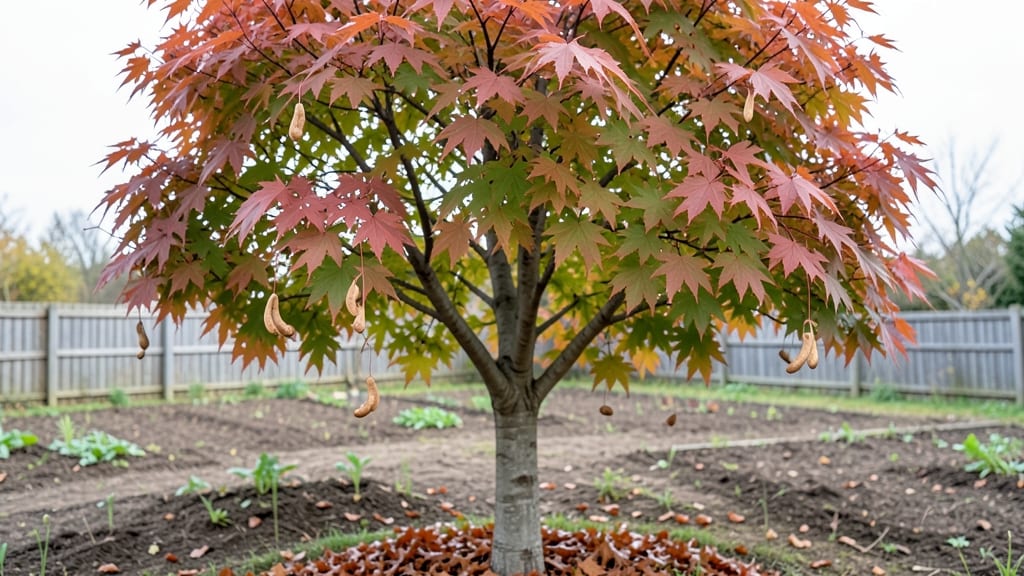
Maple seeds fall between late summer and early autumn, turning your yard into a whirlwind of tiny helicopters 🌳 — and the exact timing depends on where you live and which species you have.
Watching those iconic seeds spiral to the ground is a sure sign autumn is near, but the calendar varies wildly. In some regions, they start dropping in August, while others wait until October before the show begins.
This guide breaks down the science behind the timing, from species differences (like early silver maples vs. late sugar maples) to how your local climate shifts the schedule.
You’ll learn how to predict your tree’s seed drop, what to watch for, and even how to prepare for the cleanup—because those seeds don’t just look pretty, they can become a nuisance if you’re not ready.
Maple seed drop timing by species: when to expect falling helicopters
There's nothing quite like the sight of maple samaras (those iconic helicopter seeds) drifting down in autumn. But the timing of this annual spectacle varies dramatically by maple species and your local climate.
Some trees start dropping seeds as early as late August, while others wait until November. Understanding these differences helps you prepare for cleanup, wildlife feeding, or even seed collection.
The key factor is each species' growth cycle and dormancy triggers. Sugar maples, for example, are famous for their sycamore-like timing in late fall, while silver maples often drop seeds earlier. Even within the same species, a 500-mile difference in location can shift seed drop by 2-3 weeks.
Let's break down what to expect from the most common maple varieties in your area.
🌳
<summary-table>Sugar maples are the poster children of autumn seed drop, typically releasing their helicopter seeds between late September and October. This timing aligns perfectly with their leaf color change—when leaves turn that signature golden-yellow.
The seeds take about 3-4 weeks to fully disperse, creating a beautiful but sometimes messy spectacle on lawns and sidewalks.
If you have a silver maple in your yard, prepare for an earlier show. These trees often start dropping seeds as early as late August, sometimes even before leaves fully change color.
Their seeds fall over a longer window (4-6 weeks), which can make cleanup more challenging. The key trigger is warm daytime temperatures combined with cooler nights.
Red maples strike a balance, usually dropping seeds between September and early October. Their timing often coincides with leaf reddening, making them a stunning sight. The seed drop is more concentrated (3 weeks total), which can be easier to manage than silver maples' prolonged release.
These trees are also more adaptable to colder climates, sometimes holding onto seeds until November in northern regions.
Box elders are the late bloomers of the maple family. Their seeds often don't start falling until September, with some trees continuing into late October. This extended window (up to 8 weeks) happens because box elders are more tolerant of warm fall temperatures.
They're also the most prolific seed producers, which is why they're considered invasive in many areas.
The biological reason for these differences lies in each species' dormancy strategy. Sugar and red maples prioritize seed viability over quantity, so they time their drop with cool nights that signal winter's approach.
Silver and box elders, which produce more seeds, rely on temperature cues that may arrive earlier in the season.
🍁
One common question I get is whether urban heat islands affect seed drop timing. The answer is yes—cities can delay seed fall by 1-2 weeks because artificial warmth keeps trees active longer.
If you live near a large maple tree in an urban area, watch for leaf color changes rather than relying on calendar dates. Rural areas, meanwhile, often see earlier seed drops due to
How climate Zones affect maple seed fall dates: a state-by-state guide
Maple seeds don't follow a one-size-fits-all schedule—your USDA climate zone and local conditions dictate when those iconic helicopter seeds begin their descent.
In Zone 3 (think Minnesota or Maine), seeds often start falling as early as late August, while in Zone 9 (like Southern California), you might not see them until November.
Even within the same state, urban trees can drop seeds 2-3 weeks earlier than their rural counterparts due to the urban heat island effect.
Frost plays a critical role too. In colder zones, first frost dates can trigger an early seed drop, while warmer climates may see seeds linger until leaf drop.
A mature sugar maple in Vermont might release seeds in early September, but the same species in Georgia could wait until mid-October. Understanding these patterns helps you prepare for seed cleanup and even predict when to harvest sap the following spring.
Key Timing by USDA Zone
- Zone 3-4 (Maine, Michigan, Montana): Late August to early September—often triggered by first frost or temperature drops below 50°F.
- Zone 5-6 (New York, Wisconsin, Colorado): Mid-September—peak seed drop coincides with leaf color changes (red/orange hues).
- Zone 7-8 (Virginia, Tennessee, Oklahoma): Late September to early October—warmer nights delay drop until soil temps fall below 60°F.
- Zone 9 (California, Arizona, Florida): October to November—seeds may fall after leaf drop due to mild winters.
🌡️ Pro Tip: Urban trees in Zones 5-8 often drop seeds 10-14 days earlier than rural trees due to higher nighttime temps.
Urban vs. rural environments create another layer of variation. City maples experience microclimates from pavement and buildings, which can advance seed drop by up to 3 weeks.
For example, a silver maple in Chicago's downtown might release seeds in early September, while one in the surrounding countryside could wait until mid-September. This happens because urban areas retain heat longer, mimicking a warmer climate zone.
If you're planning to collect seeds for propagation, note that early frost risks in Zones 3-5 can damage seeds before they hit the ground. In these areas, harvest seeds promptly once they appear—don't wait for peak drop.
Meanwhile, in Zone 9, seeds may remain viable on the tree longer, giving you more time to gather them without frost damage. Always check for seed moisture content; seeds with >20% moisture may not store well.
Watch for seed pod development as a precursor. In Zones 4-6, pods begin forming in early summer and mature by late August, while in Zones 7-9, maturation stretches into September.
Pods that turn brown and papery are ready to release seeds—this is your cue to monitor daily. In drought years, some trees may delay seed drop until soil moisture improves, so keep an eye on local rainfall patterns.
For gardeners in transition zones (e.g., Zone 6b vs. 7a), seed drop can feel unpredictable. If you're in a borderline zone, blend the timing from adjacent zones. For instance, a red maple in Zone 6b might follow a schedule closer to Zone 7 if summers are consistently warm.
Always observe your specific tree—some mature specimens develop their own rhythms based on decades of local conditions.
Remember, these timelines are general guidelines. Your specific location, tree health, and even last year's growing conditions can shift the schedule by weeks. Mark your calendar now and start watching for those first helicopter seeds—they’re nature’s most dramatic autumn show! 🍁