
Picking
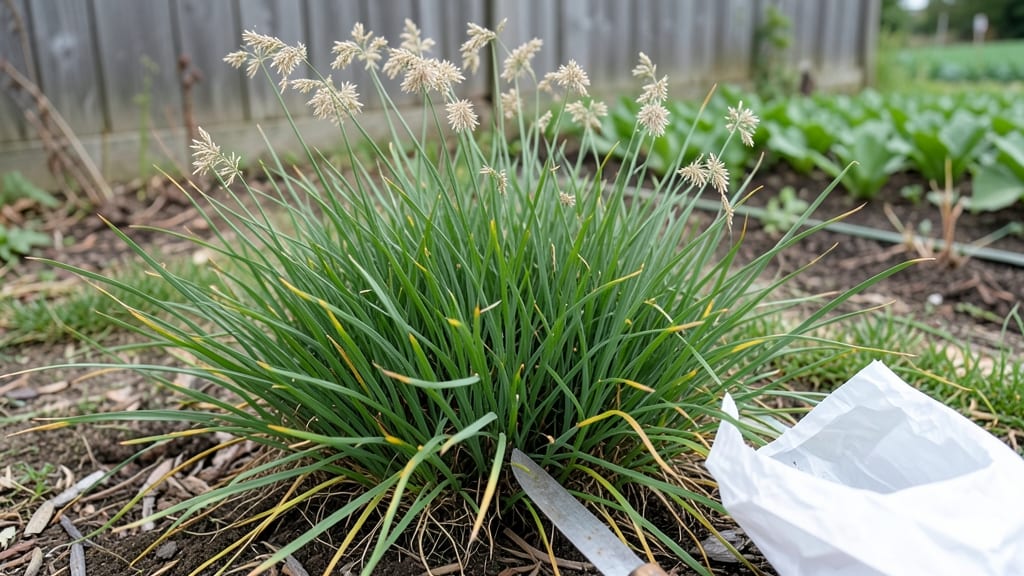
Harvesting grass seed at the right moment means the difference between a bucket of fluff and a harvest that could feed your lawn next spring. 🌱 I’ve learned the hard way—wait too long, and you’re left with seeds that’ve already sprouted or blown away in the wind.
The key is timing: aim for when the seedheads turn golden-brown but before the first rain, which can turn them to mush overnight.
You’ll need just a few tools: sharp pruning shears or scissors for clean cuts, a large tarp or sheet to collect seeds, and a dry, well-ventilated space to process them.
The process itself is simple but requires patience—gently snip the seedheads, spread them on the tarp, and let them dry in the shade for a few days. This prevents moisture from ruining your harvest before you even store it.
Once fully dry, the seeds will rattle when shaken—proof they’re ready. Store them in airtight containers like glass jars or sealed bags in a cool, dark place. A well-harvested batch can last 3-5 years if kept dry, giving you a reliable source for future lawns or wildflower mixes.
The payoff? A head start on next year’s garden without the expense of store-bought seed.
Watch for birds and squirrels—they’re the biggest thieves of grass seed. If you notice them eyeing your plants, cover the seedheads with lightweight mesh netting until harvest day. And if rain sneaks up on you?
Don’t panic—just speed up the drying process indoors with a fan. A little prep goes a long way toward a bountiful harvest.
📚 In This Guide
- What you need
- Instructions
- Tips and common mistakes
- Wrapping up and next steps
What you need
- ● Harvesting Tools: A sharp sickle or scythe (for small plots) or a mower with a bagger attachment (for larger areas).
- ● Pruning shears or hedge clippers (for precise cutting of seedheads).
- ● Work gloves (heavy-duty, to protect your hands from thorns or sharp edges).
- ● Collection Supplies: Large breathable bags or mesh sacks (5–10 gallon capacity, to allow airflow and prevent mold).
- ● Newspaper or cardboard (for lining bags and absorbing moisture).
- ● Buckets or bins (for temporary seed collection).
- ● Drying & Storage: Drying screen or wire mesh tray (for spreading seedheads to dry evenly).
- ○ Fan or dehumidifier (optional but helpful for speeding up drying in humid climates).
- ● Air-tight containers (glass jars or sealed plastic bins with silica gel packets for long-term storage).
- ● Knee pads (for comfort during extended harvesting sessions).
- ● Portable scale (to monitor seed yield and moisture content).
- ● Labeling tags (to track seed varieties and harvest dates).
- ● Pesticide spray (if your grass seed is prone to pests or mold during drying).
- ● Weatherproof tarp (to protect seedheads from unexpected rain during harvest).
Step-by-Step instructions for harvesting grass seed
Here's how I collect high-quality seed from mature grass plants before rain washes it away.
🌱 Step 1: Identify and Wait for Full Maturity
Grass seed ripens when the seedheads turn from green to a golden-brown color and begin to dry out. Run your hand over the seedhead—if the seeds rattle inside, they're ready. I always check in the morning when dew is gone, as moisture can delay the process.
Don't rush this step. Harvesting too early means immature seeds that won't germinate. Wait until at least 70% of the seedheads have turned golden-brown, even if some remain green. This ensures a good yield of viable seed.
🌿 Step 2: Cut Seedheads at the Right Time
Use clean garden shears to cut the seedheads just above the first set of leaves or where the seedhead meets the stem. Work on a dry, sunny day to prevent moisture from encouraging mold. I spread a tarp beneath the plants to catch the seedheads as I cut them.
Cutting too close to the ground removes next year's growth, while cutting too high leaves behind unwanted stems. Aim for a clean cut that removes the entire seedhead without damaging the lower foliage.
💧 Step 3: Dry Seedheads Before Processing
Lay the cut seedheads in a single layer on a dry, shaded surface—like a screen or mesh bag—to dry completely. Avoid direct sunlight, which can cause the seeds to overheat and lose viability. I usually leave them for 3-5 days, checking daily for dryness.
Seedheads are fully dry when the seeds inside feel hard and the seedhead crumbles easily when rubbed between your fingers. If rain is forecast, process the seedheads immediately to avoid spoilage.
✂️ Step 4: Thresh and Clean the Seed
Once dry, place the seedheads in a clean burlap sack or mesh bag and gently rub or shake them to release the seeds. I use a wooden stick to tap the seedheads lightly, dislodging the seeds without damaging them. Spread the threshed mixture on a clean sheet or screen to separate seeds from chaff.
Winnowing works best on a breezy day—hold the mixture and let the wind blow away the lighter chaff, leaving the heavier seeds behind. Repeat until you’ve separated most of the debris. Store the clean seeds in a dry, airtight container.
⏰ Step 5: Store Seed for Future Use
Keep harvested grass seed in a cool, dry place—like a sealed glass jar or plastic bag with a desiccant packet—to maintain viability. Label the container with the date and type of grass. Under ideal conditions, grass seed can stay viable for 1-2 years, though germination rates drop over time.
Before planting, test a small batch of seeds by sprinkling them on damp paper towels. If most sprout within 7-10 days, the seed is still good. If germination is poor, reduce storage time next year or harvest earlier.
Tips & tricks for perfect grass seed harvesting
Here's what I've learned from years of harvesting grass seed that'll help you get the most out of your effort.
Maturity Matters: In Step 1, when checking for that golden-brown color, look for the seedheads to feel papery and brittle. The 70% rule is key—don't compromise on quality for quantity. I've found that waiting for just 10% more maturity can double your viable seed yield. If you're unsure, split your harvest between ready and nearly-ready seedheads to play it safe.
Cutting Technique: For Step 2, I recommend using sharp shears to make clean cuts just above the first leaf set. The tarp trick works wonders—it keeps your workspace clean and makes collecting seedheads effortless. Between us, I've learned the hard way that cutting too high leaves behind unwanted stems that can harbor pests. Always aim for that sweet spot where you remove the entire seedhead without damaging the lower foliage.
Drying Strategy: The 3-5 day drying period in Step 3 is non-negotiable for seed viability. I've experimented with different surfaces and found that a breathable mesh bag works best—it allows airflow while protecting from pests. Place your drying area in a spot with indirect sunlight to prevent overheating. If you're in a humid climate, consider using a small fan on low to circulate air without creating drafts that could scatter seeds.
Storage Wisdom: When storing your seeds in Step 5, I've found that glass jars with tight-sealing lids work better than plastic bags for long-term viability. The key is maintaining that cool, dry environment—think of your pantry or root cellar. I always include a small silica gel packet in each jar to absorb any moisture. Labeling with both the date and grass type is a game-changer when you're ready to plant next season.
Pro Tips for Harvesting Grass Seed
- Here's what I've learned from years of harvesting grass seed that'll help you get the most out of your effort.
- Maturity Matters: In Step 1, when checking for that golden-brown color, look for the seedheads to feel papery and brittle.
- Cutting Technique: For Step 2, I recommend using sharp shears to make clean cuts just above the first leaf set.
Frequently asked questions
Got questions about harvesting grass seed? You’re not alone—this process can feel tricky, especially if you’re new to it! Below, we’ve rounded up the most common questions (and answers) to help you harvest like a pro.
When is the best time to harvest grass seed?
The ideal time is when 50-70% of the seedheads are dry and golden-brown—usually late summer to early fall, depending on your climate. Harvest too early, and seeds won’t be mature; wait too long, and they’ll scatter or sprout in the field. Check for plump, firm seedheads that crumble slightly when squeezed.
How do I know if the grass seed is fully mature?
Mature grass seed will turn from green to tan or brown and feel dry to the touch. If you gently rub a seedhead between your fingers and see small, hard seeds inside, it’s ready. A quick test: If the seedhead doesn’t easily break apart, it’s not quite there yet!
What’s the easiest way to collect grass seed without losing yield?
Use a seed stripper or scythe to cut seedheads just above the base, then lay them on a tarp or mesh bag to dry. For large areas, a walk-behind flail mower set to a high setting can efficiently harvest seedheads—just avoid raking wet seed, which can mold.
What happens if it rains before I harvest?
Rain can ruin your harvest by causing seedheads to rot, sprout, or scatter. If rain is forecasted, harvest immediately or cover seedheads with a breathable tarp secured with weights. Never store damp seed—it’ll mold within days. A dehumidifier or well-ventilated barn can help dry seedheads faster if needed.
Can I harvest grass seed by hand, or do I need machinery?
Hand-harvesting works for small patches or ornamental grasses—just twist seedheads off stems and place them in paper bags to dry. For larger areas (like meadows or fields), a commercial grass seed harvester or even a modified lawnmower with a seed-collection bag is far more efficient. Renting or borrowing equipment can save money if you’re harvesting once a year.
Wrapping up and next steps
Harvesting grass seed is a rewarding process when done with patience and precision! By following the right steps—like timing your harvest, using the proper tools, and drying seedheads before rain—you’ll maximize your yield and ensure high-quality seeds for future planting.
Whether you’re a seasoned gardener or just starting, your efforts will pay off with lush, thriving grass.
Ready to take the next step? Start small—try harvesting a single patch to refine your technique, then scale up as you gain confidence. Happy harvesting! 🌱✨