
How To
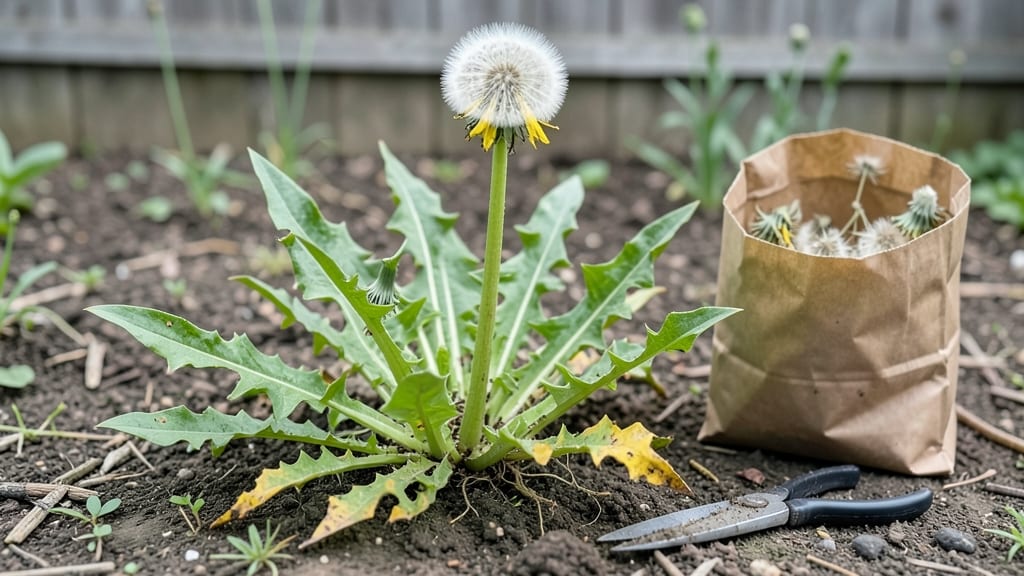
Harvesting dandelion seeds at the right time turns those fluffy clouds into a versatile resource for pollinators, crafts, or even your garden.
Dandelion seeds aren’t just pesky weeds—they’re a goldmine for pollinators, natural remedies, and even culinary uses. Learn how to master the art of harvesting them efficiently for maximum yield and minimal effort.
Timing is everything: wait until the seed heads turn brown and dry, but don’t wait too long, or the wind will scatter them before you can collect. In USDA Zone 6a, that’s usually late spring to early summer, when the plants have fully matured.
With just a few simple tools and techniques, you’ll discover how to gather seeds without wasting a single fluff—whether you’re feeding bees, saving for next year’s garden, or crafting something beautiful.

Best time and conditions for harvesting dandelion seeds
Timing is everything when harvesting dandelion seeds. The optimal window occurs in late spring to early summer, typically May through June, when the flower heads have fully matured but haven’t yet scattered. This ensures you capture viable seeds with maximum germination potential.
Look for dry, brown seed heads that feel papery and brittle. The fluffy white seeds inside should be visible and ready to disperse. If you wait too long, the wind will carry them away, leaving you with nothing to harvest.
Morning is the best time of day to harvest, as dew has dried and the seed heads are firm. Avoid harvesting after rain, as moisture can reduce seed viability and make the heads too heavy to handle.
Regional differences matter! In warmer climates (Zones 8-10), dandelions may bloom earlier, with seeds ready by April or May. In cooler zones (3-6), harvest timing shifts to June or July due to later frost dates.
Check the stem base for yellowing—a clear sign the plant is redirecting energy to seed production. This maturity indicator confirms the seeds are ready for collection before the plant senesces completely.
Weather plays a crucial role. Harvest on calm, dry days with light winds to prevent seed loss during collection. If storms are forecasted, prioritize harvesting immediately to avoid losing your yield.
Use a sharp pair of pruning shears to cut the seed heads cleanly from the stem. This method reduces damage to the plant and ensures you capture the entire seed head for maximum yield.
For large-scale harvesting, focus on mature plants with fully developed seed heads. Younger plants may still be producing flowers and haven’t yet allocated resources to seed production.
Always harvest before the seeds disperse. Once the fluffy seeds begin floating away, your window closes. This is especially critical if you’re collecting seeds for pollinator support or garden propagation.
Store harvested seeds in a cool, dry place in paper bags to allow airflow. This prevents moisture buildup, which can lead to mold and reduce seed viability over time.
🌾
If you’re harvesting for pollinator gardens, prioritize organic seed sources free from pesticides. Chemical residues can harm bees and other beneficial insects that rely on dandelion seeds for food.
For culinary or medicinal uses, ensure seeds are fully dried and stored in an airtight container away from direct sunlight. Proper storage extends their shelf life for up to 1-2 years.
🌿
Step-by-step techniques for collecting seeds without wasting a single fluff
Harvesting dandelion seeds efficiently requires the right tools and timing. Once the seed heads turn brown and dry, they’re ready for collection—but they scatter quickly.
The key is to act fast while minimizing waste. Whether you’re saving seeds for gardening or crafting, these methods ensure you capture every last fluff without frustration.
Start by choosing your harvesting method based on your needs. For small batches, hand-picking works best, while larger collections benefit from containers or bags. Avoid windy days—light breezes can turn your harvest into a fluffy mess before you even begin.
With the right approach, you’ll preserve seed quality and maximize your yield for future plantings or pollinator-friendly projects.
How to Harvest Dandelion Seeds
- Step 1: Wait for Full Maturity Harvest when seed heads are fully brown and dry, but before they release seeds into the wind. Look for fluffy white seeds—this is your cue to act fast.
- Step 2: Gather Your Tools Use a pair of clean scissors or pruners, a paper bag, or a fine mesh bag to collect seeds. Avoid plastic bags—seeds need breathability to dry properly.
- Step 3: Cut the Seed Head Snip the entire seed head just above the stem. Place it immediately into your collection bag to prevent seed loss. For large patches, use a bucket lined with fabric to catch falling seeds.
- Step 4: Shake or Brush Out Seeds Once indoors, gently shake the seed head over a clean surface or into your bag. Alternatively, use a soft brush to dislodge seeds from the head without damaging them.
- Step 5: Store Seeds Properly Spread seeds on a tray or paper in a dry, dark place for 1-2 weeks to fully dry. Once completely dry, transfer them to a sealed container or paper envelope for long-term storage.
If you’re harvesting for pollinators, consider leaving some seed heads on the plant. Bees and butterflies rely on dandelions for early-season nectar, so a little goes a long way.
For crafting or gardening, however, collecting every seed ensures you have enough for projects like wreaths or next year’s garden.
One common mistake is harvesting seeds too early or too late. Overripe seeds may already be scattered, while underripe seeds won’t germinate well. Always check for dry, fluffy seeds before cutting—this guarantees the best viability and yield.
With practice, you’ll develop a keen eye for the perfect moment to harvest.
For large-scale harvesting, consider using a fine mesh bag tied around the seed head while it’s still on the plant. This allows seeds to mature naturally while preventing them from floating away.
Once fully dry, simply shake the bag to release the seeds into your collection container. This method is especially useful for urban gardens where space is limited.
Remember, dandelion seeds are lightweight and delicate, so handle them with care. Avoid compressing them in storage, as this can reduce germination rates. With these techniques, you’ll never waste a single fluff again—just pure, high-quality seeds ready for your next gardening adventure. 🌾