
Picking
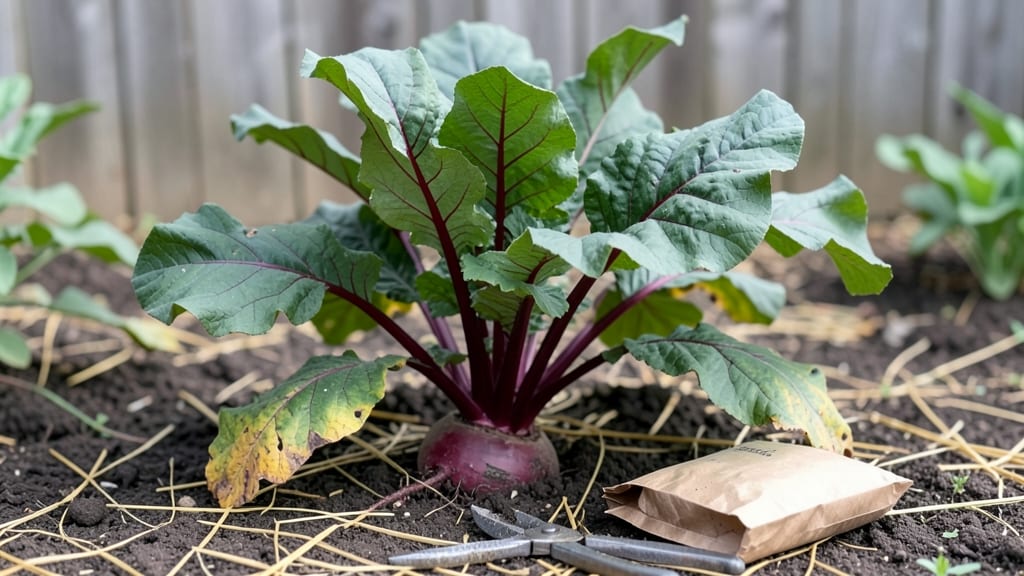
Harvesting beet seeds turns leftover garden scraps into next year’s harvest. 🌱 I learned the hard way that letting beets bolt too early ruins your chances—those dry, papery seed pods hold the key to free, heirloom-quality seeds. The trick is patience and timing, because rushing means wasted effort.
First, you’ll need beets that bolt naturally (not forced by heat) and stay upright—skip any that flop or rot. Once the flower stems turn brown and crispy, that’s your cue to harvest.
Cut the entire plant at the base, leaving the roots in the soil. Hang them upside down in a dry, dark spot for 2-3 weeks until the seed pods rattle when shaken.
When the pods split open, carefully remove the tiny, glossy seeds inside. Store them in a cool, dry place for up to 3 years, but test a few each season—some varieties lose viability faster.
The first time you see those little seeds sprout in your garden, you’ll wonder why you didn’t start sooner.
Watch out for cross-pollination with Swiss chard or other beets—isolate seed plants by 500 feet if you want pure varieties. And never harvest seeds from store-bought beets, since they’re often hybrid and won’t reproduce true to type. This is where homegrown pays off big time.
📚 In This Guide
- What you need
- Instructions
- Tips and common mistakes
- Wrapping up and next steps
What you need
- ● Mature beet plants – Choose healthy, disease-free plants with fully developed seed pods (typically 60–90 days after planting).
- ● Pruning shears or sharp scissors – For cleanly cutting seed pods from the stems.
- ● Paper bags or breathable mesh sacks – At least 5–10 bags (1–2 gallons each) to collect pods and allow airflow for drying.
- ● Drying rack or screen – A flat, elevated surface (like a wire mesh tray or wooden rack) to spread pods out evenly.
- ○ Small fan or dehumidifier (optional but helpful) – To speed up drying in humid climates.
- ● Labeling tags and marker – To mark varieties (e.g., "Chioggia," "Detroit Dark Red") and harvest dates.
- ● Fine-mesh sieve or sifter – For separating seeds from dried pod debris.
- ● Paper towels or clean cloth – To gently clean seeds before storage.
- ● Air-tight containers (glass jars or seed envelopes) – For long-term storage (e.g., quart-sized mason jars or #5 seed envelopes).
- ● Desiccant packets – Place in storage containers to absorb moisture and extend seed viability.
- ● Hand lens or magnifying glass – For inspecting seed quality before storage.
- ● Humidity monitor – To track drying conditions (ideal: 40–50% humidity).
- ● Seed catalog or notebook – To log germination rates and notes for future harvests.
Step-by-Step instructions for harvesting beet seeds
Here’s how to save beet seeds from your garden—dry pods properly for seeds that’ll sprout strong next season.
🌱 Step 1: Let Beets Bolt and Flower Naturally
Start in early summer by leaving some of your healthiest, most vigorous beet plants in the ground. When they bolt—sending up tall stems with yellow flowers—you’re close. These flowers are your seed source, but they need time to mature fully. Watch for the first flowers to open, which signals the plant is ready to produce seed pods.
Don’t rush this step. If you harvest too early, the seeds inside won’t have developed properly. I always leave at least 6-8 weeks after flowering to ensure full seed maturity. The pods will turn from green to brown and dry out completely on the plant.
🌿 Step 2: Harvest Ripe Seed Pods
Once the seed pods are fully brown and crispy to the touch, it’s time to harvest. Gently twist or cut the pods from the stem—don’t pull too hard, or you might damage the plant. Place them in a paper bag (not plastic) to allow airflow, which is critical for drying.
If you miss the window and pods fall to the ground, collect them immediately. Seeds left on damp soil will rot or sprout prematurely. I’ve found that harvesting in the morning after dew dries prevents moisture issues and keeps seeds viable longer.
💧 Step 3: Dry Pods Thoroughly Before Processing
Spread the pods out in a single layer on a mesh screen or clean towel in a dry, well-ventilated area away from direct sunlight. This prevents mold and ensures even drying. Stir them gently every 2-3 days to speed up the process—fully dried pods will rattle when shaken.
Drying takes about 2-3 weeks, depending on humidity. If your climate is damp, use a fan on low to circulate air. Never rush this step—moisture inside the pods will cause seeds to mold or fail to germinate. You’ll know they’re ready when the pods split open easily and the seeds inside look dry and dark.
✂️ Step 4: Split Pods and Clean Seeds
Once fully dried, open the pods by gently squeezing them with your fingers or tapping them on a hard surface. The seeds will spill out—some may still be attached to the pod membrane. Sift them through a fine-mesh strainer to remove chaff and debris. Store the clean seeds in a paper envelope (not plastic) in a cool, dark place.
Label the envelope with the variety and harvest date. Beet seeds lose viability quickly—use them within 2-3 years for the best germination rates. I’ve saved seeds this way for years, and they’ve always sprouted reliably when stored properly.
⏰ Step 5: Store Seeds for Next Season
Keep seeds in a dry, cool place (like a seed vault or refrigerator) to maintain viability. Check them annually—discard any that smell musty or look discolored. Properly stored beet seeds should remain viable for up to 3 years, though germination rates drop after the first year.
When planting next season, soak seeds overnight before sowing—they germinate better after a quick hydration boost. This method ensures you’ll have fresh, homegrown beets year after year without buying new seeds.
Tips & tricks for perfect beet seed harvesting
A few key tricks will help you save beet seeds that sprout reliably year after year.
Timing is Everything: The 6-8 week wait after flowering in Step 1 is crucial—this ensures seeds fully mature. I learned this the hard way after harvesting too early and getting seeds that wouldn't germinate. Mark your calendar when you first see flowers to track the timeline accurately.
Harvesting Strategy: In Step 2, harvest pods in the morning after dew dries to prevent moisture damage. If you miss the window and pods fall, collect them immediately—they'll start sprouting within 24 hours if left on damp soil. I always check my garden first thing in the morning to catch any fallen pods.
Drying Conditions: The 2-3 week drying period in Step 3 can't be rushed. Use a mesh screen in a well-ventilated area away from direct sunlight to prevent mold. If your climate is humid, place a small fan nearby to circulate air. I've seen pods develop mold when dried too quickly in warm, damp conditions.
Seed Storage: The 2-3 year viability window in Step 5 starts from your harvest date. Store seeds in paper envelopes (not plastic) to prevent moisture buildup. Label each envelope with the variety and harvest year—this helps track which seeds are freshest for planting first.
Pro Tips for Harvest Beet Seeds
- A few key tricks will help you save beet seeds that sprout reliably year after year.
- Timing is Everything: The 6-8 week wait after flowering in Step 1 is crucial—this ensures seeds fully mature.
- Harvesting Strategy: In Step 2, harvest pods in the morning after dew dries to prevent moisture damage.
Frequently asked questions
Got questions about harvesting beet seeds? You’re not alone! Here are some of the most common queries—and their answers—to help you succeed like a pro.
When is the best time to harvest beet seeds?
Harvest beet seeds when the seed pods turn from green to a papery brown, usually 8–10 weeks after flowering. If you wait too long, the pods may crack open and scatter seeds prematurely. Aim for a dry, sunny day to make the process easier!
How long does it take for beet seeds to dry indoors?
Spread the pods in a single layer on a mesh screen or paper towel in a warm, well-ventilated spot (like a sunny windowsill). They typically dry in 1–2 weeks, but check them daily—they’re ready when the pods rattle when shaken and the seeds inside look dark and plump.
What if my beet pods crack open before I can harvest them?
Don’t worry! If pods split early, scoop up the seeds and spread them on a tray to dry. Store them in a cool, dark place (like a jar) until you’re ready to plant. Viability drops over time, so use them within 1–2 years for best results.
Can I harvest beet seeds from store-bought beets?
Nope! Store-bought beets are often hybrid varieties, meaning their seeds won’t grow true to the parent plant. For reliable seeds, grow open-pollinated or heirloom beet varieties from seed catalogs or trusted nurseries.
How do I store beet seeds for next year?
Once fully dry, store seeds in a paper envelope or airtight container in a cool (35–40°F), dark place like a fridge or root cellar. Label them with the variety and harvest date—seeds stay viable for 3–5 years if stored properly!
Wrapping up and next steps
Harvesting beet seeds is a rewarding process that connects you to the life cycle of these vibrant vegetables!
By following the steps to dry the seed pods and split them carefully, you’ll ensure high-quality seeds for next year’s garden. Don’t let this opportunity slip away—grab your gloves, a sunny spot, and get ready to sow the seeds of future harvests! 🌱
Now that you’re armed with the know-how, why not share your new skills? Try growing a small batch of beets from your saved seeds or gift them to fellow gardeners. Happy growing! 🌟