Vegetables
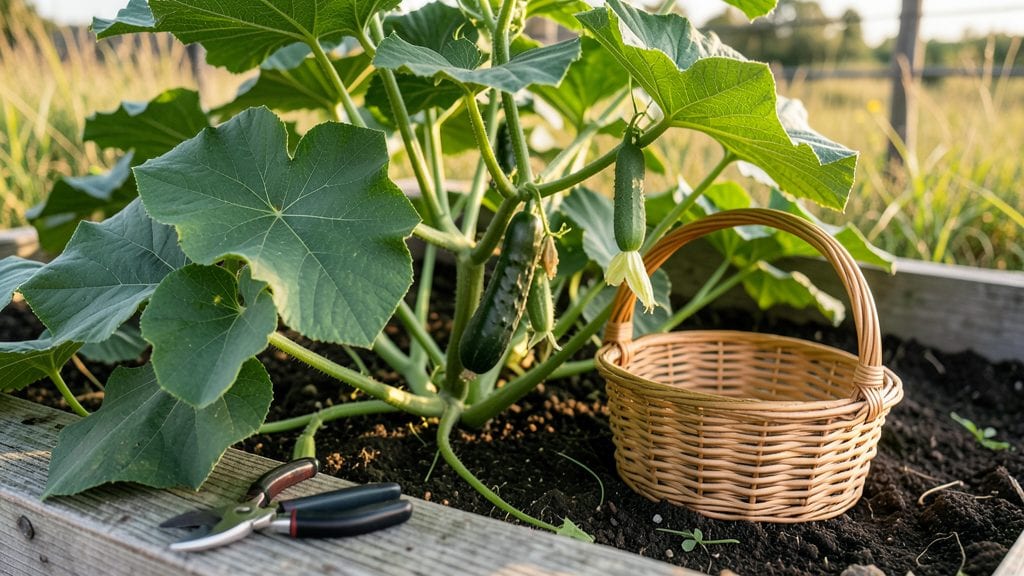
Edible green seeds like sunflower, pumpkin, and cucumber are safe to eat when properly prepared, while others—such as apple seeds—contain toxins like cyanide and must be avoided. Always verify seed identity before consuming them raw.
Not all green seeds are created equal—some are packed with nutrients, while others can be dangerous. 🌱 Sunflower and pumpkin seeds, for example, are rich in healthy fats and protein, but they must be harvested at peak ripeness to avoid bitterness.
Meanwhile, seeds from nightshade plants (like tomatoes) can be toxic unless fully cooked. The key difference often lies in the seed's shell hardness and taste: safe seeds are usually soft and sweet when ripe, while toxic ones may have bitter flavors or hard coatings.
Always cross-reference with reliable sources before snacking!
When harvesting, timing matters—wait until seeds turn fully green or brown, depending on the plant. 💫 Roasting or lightly toasting enhances flavor and safety, while raw consumption carries higher risks. Store properly dried seeds in airtight containers away from moisture to preserve their nutritional value.
💡 In This Article
- How to Identify Safe Green Edible Seeds
- Best Practices for Harvesting and Preparing Edible Green Seeds
How to identify safe green edible seeds
Safe green seeds belong to specific plant families like Cucurbitaceae (squash, cucumber) and Asteraceae (sunflower), which share distinct botanical traits. Look for smooth, oval-shaped seeds with soft shells—sunflower seeds, for example, measure about 1/4-inch long and have a papery outer layer that peels easily.
Their color ranges from pale green to dark brown when ripe, but the key safety indicator is their sweet, nutty aroma when fresh. Toxic seeds often have hard, glossy shells or bitter flavors, like apple seeds which contain cyanogenic glycosides.
The seed coat texture is your first clue—safe seeds like pumpkin have thin, brittle shells that crack under gentle pressure, while toxic seeds (e.g., castor beans) have thick, leathery coatings.
Size matters too: edible cucumber seeds are tiny (1/8-inch) and clustered, whereas dangerous seeds like those from nightshade plants are larger and irregularly shaped. Always check for uniform coloration—uneven brown spots can signal mold or spoilage, even in safe varieties.
Taste is your final test before consumption. Safe seeds like roasted sunflower kernels have a rich, buttery flavor, while raw versions taste mildly bitter but safe when properly prepared. Toxic seeds often leave a lingering bitterness or metallic aftertaste—this is your body's warning system.
For example, green apple seeds release cyanide when chewed, while green pumpkin seeds are harmless when dried and roasted at 325°F for 15 minutes to neutralize any residual moisture.
Botanical families provide another layer of verification. The Cucurbitaceae family includes melons, squash, and cucumbers—all with edible seeds when harvested at peak ripeness (when the outer rind turns hard). Asteraceae seeds like sunflower are also safe, but their green hulls must be removed before eating.
Compare this to Solanaceae (tomato, eggplant) seeds, which require full cooking to destroy solanine toxins. Always cross-reference with a plant identification guide or consult a botanist if unsure.
Seasonal timing affects safety too. Most edible green seeds ripen in late summer or fall, when daylight hours shorten. For instance, pumpkin seeds reach peak edibility when the fruit's skin turns orange-brown and hard, while sunflower seeds are safe when the back of the head turns yellow.
Harvesting too early risks bitterness, while waiting too long can lead to mold. Store seeds in airtight containers with silica packets to prevent spoilage—moisture turns safe seeds rancid within 2-3 weeks.
Here's what to watch for in the wild: green seeds growing on vines (like cucumber) are usually safe if the plant is identified correctly, but seeds from unknown plants should never be eaten raw.
Even safe seeds can harbor mold toxins if stored improperly, so always inspect for off smells or discoloration before consumption. When in doubt, roast seeds at 300°F for 10 minutes—heat destroys many pathogens while enhancing flavor.
Remember this rule: If it looks too good to be true (like perfectly round, glossy seeds), it probably is. Always prioritize visual inspection, taste testing (in small amounts), and proper preparation over convenience. The safest approach? Stick to store-bought seeds from reputable brands when foraging isn't an option.