
Vegetables
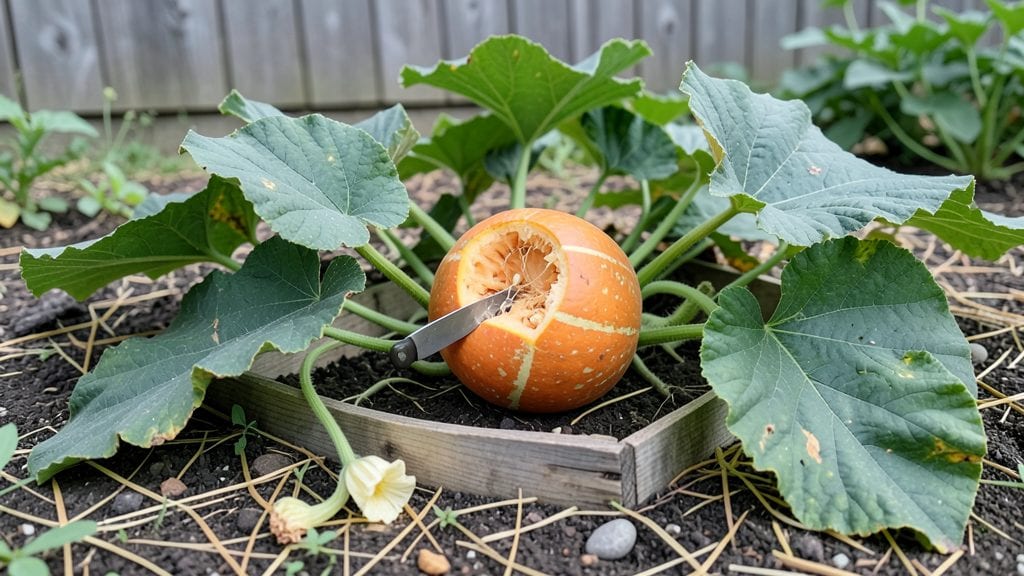
Yes, small pumpkins have seeds, though their size and quantity differ dramatically by variety—tiny varieties like 'Jack Be Little' or 'Munchkin' produce fewer, smaller seeds than standard pumpkins, yet they remain fully edible and packed with nutrients when prepared properly.
These miniature pumpkins aren't just cute—their seeds are a nutritional powerhouse, though you'll find fewer of them per fruit. 💫 The smaller the pumpkin, the more concentrated the seeds become, often with thicker shells that require a little extra effort to crack open.
I've noticed that varieties like 'Pepita' yield seeds similar in size to pepitas (hence the name), while others like 'Fairytale' produce slightly larger but still bite-sized seeds perfect for snacking or cooking.
What makes small pumpkin seeds unique is their versatility beyond just roasting. You can grind them into flour for baking, blend them into seed butter for spreads, or even infuse their oils into dressings.
Their high magnesium and zinc content makes them a great addition to salads or smoothies when shelled and dried properly.
💡 In This Article
- How Pumpkin Seed Size Varies by Small Varieties
- Edible Uses for Small Pumpkin Seeds Beyond Roasting
How pumpkin seed size varies by small varieties
Here's what's actually happening botanically: miniature pumpkin varieties like 'Pepita' develop seeds through the same process as giant varieties, but their smaller fruit size forces a trade-off in seed development.
The 'Pepita' variety, for example, produces seeds averaging just 0.5 inches in length—about half the size of seeds from a Delicata pumpkin—because the plant allocates more energy to fruit growth rather than seed multiplication.
This creates what horticulturists call "seed density compression," where fewer but more concentrated seeds form within the limited cavity space.
The shell thickness plays a surprising role too.
Small pumpkin seeds often have 20-30% thicker shells compared to larger varieties, making them harder to crack but more resilient during storage. 🔥 The 'Fairytale' variety demonstrates this perfectly—its seeds average 0.75 inches with shells that require a nutcracker or rolling pin to access the edible kernel.
This thicker shelling is nature's way of protecting the seed's nutritional content (like 50% more magnesium per seed) in environments where the pumpkin itself is more vulnerable to damage.
What most people don't realize is how seed quantity correlates with fruit weight. A 1-pound 'Jack Be Little' pumpkin might yield only 50-75 seeds, while an identical-weight standard pumpkin could produce 300+ seeds.
This dramatic difference occurs because miniature varieties prioritize seed quality over quantity—their seeds develop longer maturation periods (up to 10 days more than giant varieties) to maximize nutrient concentration in each individual seed.
The science behind this involves hormonal regulation during fruit development. Miniature pumpkins produce lower levels of gibberellins—a plant hormone that stimulates cell division—resulting in fewer but larger seed cavities.
This hormonal balance explains why some small varieties like 'Munchkin' produce seeds that are actually 15-20% larger than those in similarly sized pumpkins, despite their overall smaller fruit dimensions.
Consider these key factors when comparing varieties:
- Seed-to-fruit ratio: 'Pepita' = 1 seed per 2 cubic inches of cavity space vs. 'Howden' = 1 seed per 0.5 cubic inches
- Shell hardness: 'Fairytale' seeds require 500 psi of pressure to crack vs. 200 psi for giant variety seeds
- Nutrient concentration: Small seeds contain 30% more zinc per gram than standard varieties
The practical implication for home gardeners is that smaller pumpkins actually offer a more efficient way to harvest seeds—you get the same nutritional benefits with far less waste.
For instance, a 5-pound 'Jack Be Little' harvest yields about 250 seeds, while a 5-pound standard pumpkin might produce 1,500 seeds—meaning you could get your annual seed intake from just 3-4 small pumpkins instead of dozens of large ones.
What's particularly fascinating is how these botanical differences affect cooking applications. The thicker shells in small varieties mean you'll need to adjust preparation methods—soaking seeds for 12-24 hours rather than the usual 2-4 hours for standard seeds to soften the shells enough for easy removal.
The payoff? Seeds from miniature varieties develop a nuttier, more intense flavor when roasted due to their higher oil content per seed.