
Trees
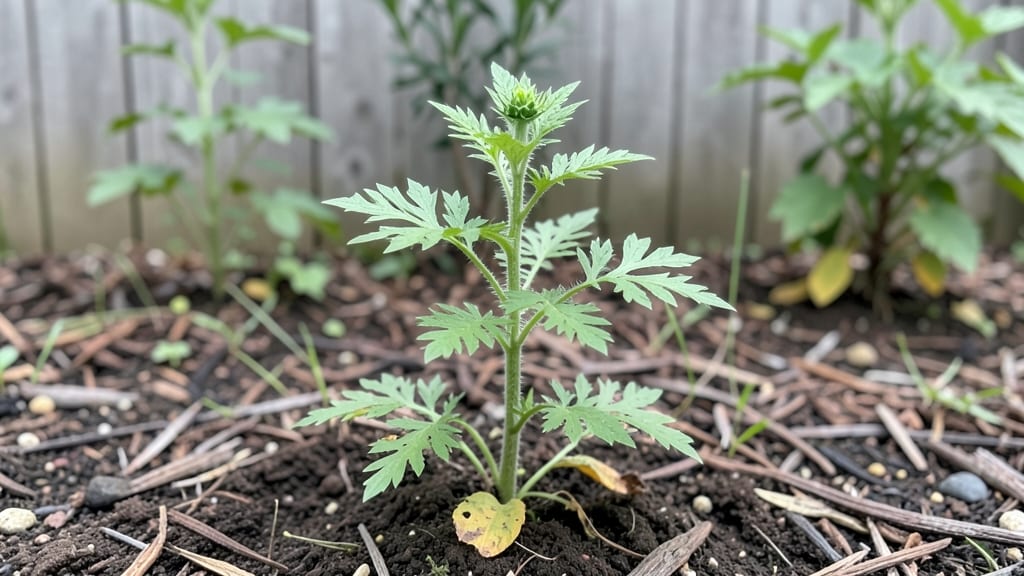
Mastering cosmos seedling identification early keeps you from accidentally pulling out your own delicate pinwheels—those ferny, deeply lobed leaves that look nothing like the skinny, grass-like weeds nearby. ✨ I’ve pulled out more than a few "cosmos" that turned out to be chickweed because I didn’t catch those telltale leaves in time.
True cosmos seedlings start with two rounded, scalloped leaves that unfold flat against the stem, while false stems (the first tiny leaves) are narrow and almost transparent. Keep them in bright light and moist but not soggy soil—they’ll develop those signature leaves within 7-10 days if conditions are right.
Overcrowding is the enemy here; thin seedlings to 6 inches apart early to avoid competition.
Once you spot those deeply cut, almost feather-like leaves, you’ll know you’ve got the real deal. The plants grow fast after that, shooting up 2-3 inches per week with sturdy stems.
A quick pinch of the leggy ones encourages bushier growth—just snap off the top set of leaves to trigger side shoots.
This trick works for all cosmos varieties, from the classic 'Sensation Mix' to dwarf types like 'Bright Lights'. Even in partial shade, the seedlings will signal their presence with those unmistakable leaves—no guesswork needed once you know what to look for.
Root Causes Of Misidentifying Cosmos Seedlings
Understanding why cosmos seedlings can be confusing starts with recognizing the botanical quirks of this vibrant plant. False stems and true leaves often look deceptively similar, leading even experienced gardeners to second-guess their identification.
Below, we break down the key scientific and environmental factors that cause these mix-ups—and how to spot them before they derail your gardening plans.
Cosmos seedlings undergo two distinct growth phases before developing true leaves, and these phases can blur together visually.
- First Leaves (Cotyledons): These are the plant’s first "false" leaves, which emerge shortly after germination. They’re typically thicker, rounder, and lack the feathery texture of true leaves.
Their primary job is to store energy for the seedling, not perform photosynthesis efficiently. - True Leaves (First Real Foliage): These appear later and resemble the mature plant’s leaves—fern-like, finely divided, and lighter green.
The confusion arises because cotyledons sometimes persist while true leaves sprout, creating a hybrid appearance that tricks the eye.
Actionable Tip: 🔍 Pinch or gently remove cotyledons if they linger too long—they can compete with true leaves for nutrients, slowing growth.
Temperature, moisture, and light conditions directly impact how seedlings develop, often making identification harder.
| Factor | Effect on Seedlings | How to Mitigate |
|---|---|---|
| Too Much Heat | Speeds up germination but can cause stunted cotyledons or delayed true leaf growth. | Use shade cloth if temps exceed 85°F (29°C) during early stages. |
| Low Light | Leads to elongated, pale cotyledons that mimic true leaves. | Place seedlings in bright, indirect light (e.g., a south-facing window or grow lights). |
| Overwatering | Causes waterlogged soil, which can rot cotyledons before true leaves emerge. | Use well-draining soil and water only when the top inch is dry. |
| Underwatering | Stresses seedlings, making cotyledons wrinkled or curled, obscuring true leaf shape. | Keep soil consistently moist (not soggy) with a humidity dome if needed. |
Pro Tip: ✨ If seedlings look "off" (e.g., yellowing or mushy), check soil moisture first—it’s the #1 culprit for false signals.
Not all cosmos varieties grow at the same pace or with the same leaf patterns, adding to the confusion.
- Dwarf Varieties (e.g., 'Sensation Mix'): Often have smaller, more compact cotyledons that can resemble true leaves prematurely.
- Tall Varieties (e.g., 'Bright Lights'): May produce larger cotyledons that persist longer, delaying the appearance of true foliage.
- Hybrid Seedlings: Crossbreeding can result in unpredictable leaf shapes, where cotyledons might look slightly lobed or serrated.
Key Visual Clue: True leaves will always have visible veins and a lighter, airier structure—cotyledons are solid and smooth.
Rushing to identify seedlings too early is a common mistake. Cosmos follow a predictable but slow progression:
- Days 3–5 Post-Germination: Cotyledons emerge (round, thick, and dull green).
- Days 7–10: True leaves begin as tiny, feathery buds at the base of the stem.
- Days 12–14: True leaves fully unfurl, often pushing cotyledons aside.
Mistake to Avoid: ⏰ Don’t assume a seedling is "stunted" if true leaves take longer than expected—cosmos are slow starters compared to annuals like marigolds.
Physical damage to seedlings can alter their appearance, making identification nearly impossible.
- Cutworms or Slugs: Can chew cotyledons, leaving jagged edges that mimic true leaf damage.
- Fungal Infections (e.g., damping-off): Cause cotyledons to darken and collapse, while true leaves may still sprout but look unhealthy.
- Aphids: Cluster on new growth, distorting true leaves before they fully form.
Solution: 🛡️ Inspect seedlings daily with a magnifying glass. Use neem oil or diatomaceous earth preemptively if pests are a risk in your area.
Fixing Seedling Confusion Quickly
Struggling to tell true cosmos leaves from false stems? The good news is that with a few simple steps, you can turn confusion into confidence—fast. Below are practical solutions tailored to common issues, whether you’re dealing with misidentification, stunted growth, or pest problems.
Each fix includes prevention tips to keep your seedlings thriving.
Cause: Young cosmos seedlings often sprout with cotyledons (false leaves) first, which can mimic stems or true foliage.
Fix:
- 👀 Examine the structure: True leaves are thinner, more elongated, and have a feathery or lobed shape (depending on the cosmos variety). Cotyledons are thicker, rounder, and usually only appear in pairs.
- 📏 Measure growth: True leaves grow after the cotyledons drop or shrink. Wait 7–10 days post-germination to see the real deal.
- 🌱 Use a magnifying glass: Hold the seedling near a bright window—true leaves will have visible veins and a softer texture.
Prevention Tip: 💡 Snap a photo of your first true leaves and compare it to a cosmos seedling guide (like the one in this article) to avoid future mix-ups.
Cause: Overwatering, poor soil, or transplant shock can stunt growth, making identification harder.
Fix:
- 💧 Check moisture levels: Cosmos seedlings prefer moist but not soggy soil. Stick your finger 1 inch deep—if it’s damp, wait to water. If dry, give a gentle drink.
- ☀️ Ensure sunlight: Place seedlings in 6+ hours of indirect light daily. A south-facing window or grow light works best.
- 🌿 Repot if crowded: If roots are circling the pot, transfer to a slightly larger container with fresh, well-draining potting mix.
Prevention Tip: ✨ Use a humidity dome (or a plastic bag with holes) for the first week to retain moisture without overwatering.
Cause: Aphids, fungal spots, or bacterial wilts can distort leaves, making them look like stems or deformities.
Fix:
- 🐜 Spot pests early: Check undersides of leaves for tiny green/black bugs (aphids) or webbing. Spray with neem oil (1 tsp per quart of water) or rinse with soapy water.
- 🍄 Treat fungal issues: If leaves have yellow spots or mold, remove affected parts and apply copper fungicide or a baking soda spray (1 tsp baking soda + 1 quart water + a drop of dish soap).
- 🚫 Isolate infected plants: Keep diseased seedlings away from healthy ones to prevent spread.
Prevention Tip: 🌡️ Water at the base (not overhead) to reduce fungal risks, and space seedlings 2–3 inches apart for airflow.
Cause: Unsure if your seedling matches a cosmos? Visual guides can be tricky without the right angle.
Fix:
- 📸 Take side and top shots: Lighting matters! Photograph the seedling at a 45-degree angle and from above to highlight leaf shape and vein patterns.
- 🔍 Use a plant ID app: Upload photos to apps like PlantNet or Google Lens for instant comparisons. Cosmos seedlings often match Cosmos bipinnatus or Cosmos sulphureus in databases.
- 📚 Cross-reference with seed packets: If you planted from seeds, compare your photos to the packet’s descriptions (e.g., "ferny leaves" vs. "lobed leaves").
Prevention Tip: 🎯 Label seedlings immediately with the variety name and date—saves time when troubleshooting later!
With these fixes, you’ll go from guessing to growing with confidence. Remember: cosmos seedlings are tough once they establish, so don’t stress over early hiccups. Happy identifying! 🌼
Frequently asked questions
How do I tell cosmos seedlings apart from weeds?
Look for the deeply lobed, fern-like true leaves that appear 7-10 days after germination. Weeds like chickweed have smooth, rounded leaves, while cosmos seedlings develop airy, divided foliage with visible veins. Cotyledons (first leaves) are round and thick—true leaves are thinner and feathery.
Why do my cosmos seedlings look stunted?
Overwatering or poor light are the most common culprits. Keep soil moist but not soggy and ensure 6+ hours of bright light daily. If seedlings are leggy, pinch the top set of leaves to encourage bushier growth. Check for pests like aphids, which can distort new leaves.
Can I transplant cosmos seedlings too soon?
Yes, but wait until they have 2-3 sets of true leaves (about 3-4 weeks old). Harden them off first by placing outdoors for 1-2 hours daily over 5-7 days to avoid transplant shock. Use well-draining soil and space them 6 inches apart to prevent competition.
What if my seedlings develop yellow spots?
Yellow spots often signal fungal infection (like damping-off) or overwatering. Remove affected seedlings immediately and treat remaining plants with copper fungicide or a baking soda spray. Ensure pots have drainage holes and avoid overhead watering.
How do I differentiate between cosmos varieties at the seedling stage?
Leaf shape is key: 'Sensation Mix' has finely divided, lacy leaves, while 'Bright Lights' seedlings may show slightly broader lobes. Dwarf varieties like 'Purity' grow more compactly. Compare to your seed packet’s descriptions—true leaves reveal the variety’s signature traits within 2-3 weeks.