
Watering
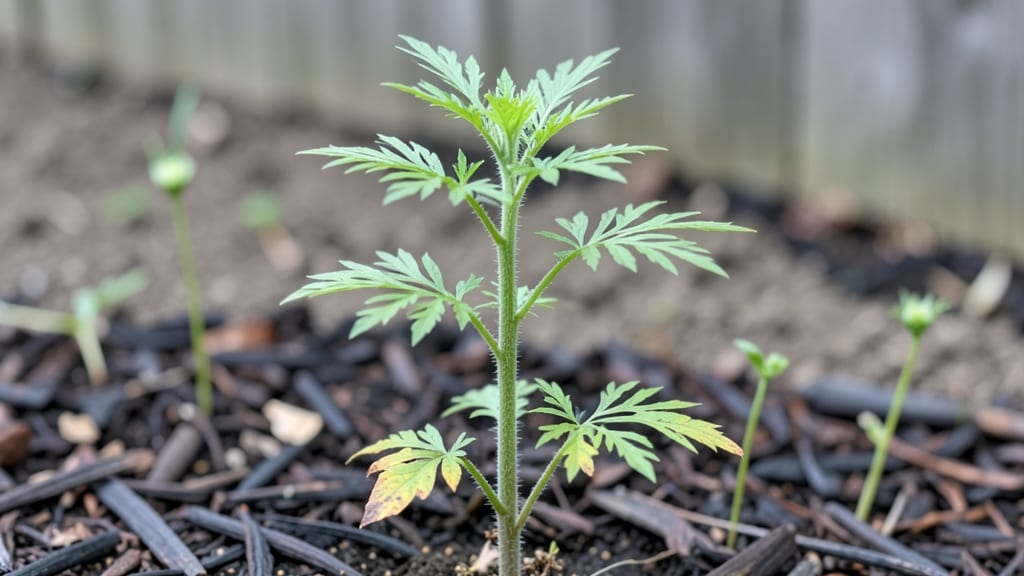
Growing cosmos bipinnatus seedlings starts with a layered chill method that jumpstarts their love for cooler temperatures—this simple trick ensures your delicate seedlings transition smoothly into spring’s warmth. 🌱 I’ve learned that skipping this step leads to leggy, weak stems that flop under the sun.
The secret lies in mimicking nature’s gradual temperature shifts, which hardens off seedlings faster than cold frames alone.
You’ll need a sturdy seedling tray, well-draining potting mix, and a cold frame or shaded outdoor spot. Cosmos thrive in full sun but tolerate partial shade during their early weeks. Water lightly at the soil line—never overhead—to prevent fungal issues that plague young plants.
The key is patience: seedlings should spend 7-10 days in the chill setup before full outdoor exposure.
What you’ll end up with are vibrant, bushy plants bursting with those signature daisy-like blooms by early summer. The layered chill method prevents shock, so you’ll see faster root establishment and fewer lost seedlings. Once hardened off, space them 12-18 inches apart for optimal airflow and bloom production.
This approach works equally well for container gardens or in-ground plantings, making it adaptable to any space. The real payoff? A longer bloom season with fewer gaps between flowers. Let’s get those seedlings ready for their big debut!
📚 In This Guide
- What you need
- Instructions
- Tips and common mistakes
- Wrapping up and next steps
What you need
- ● Seeds: 10–20 Cosmos bipinnatus seeds (organic, non-GMO preferred)
- ● Seed-starting mix: 2–3 cups of sterile, well-draining potting soil (or coco coir blend)
- ● Containers: 1–2 small seed trays (with drainage holes) or
- ● 4–6 biodegradable peat pots (2–3 inches deep)
- ● Watering can or spray bottle: With a fine mist nozzle
- ● Plastic wrap or humidity dome: To retain moisture
- ● Refrigerator or cold frame: For stratification (40–50°F / 4–10°C)
- ○ Gloves and tweezers: For handling seeds (optional but helpful)
- ● Plant labels: To track seed varieties
- ● Grow lights or sunny windowsill: For post-chill germination (10–12 hours/day)
- ● Fertilizer: Balanced liquid fertilizer (5-5-5 or 10-10-10, diluted to half-strength)
- ● 🌡️ Chill prep: Mix seeds with slightly damp soil in a sealed bag for 2–4 weeks before planting.
- ● ✨ Light needs: Cosmos seedlings thrive in bright, indirect light—avoid direct sun until true leaves appear.
Instructions for layering chill cosmos bipinnatus seedlings
This method mimics nature’s timing—strengthening seedlings through gradual cold exposure for hardier, more vibrant blooms.
🌱 Step 1: Start Seeds in Warmth for Initial Growth
Sow cosmos bipinnatus seeds ¼ inch deep in a seed-starting mix kept at 70-75°F. These seeds germinate best in warmth, so place the tray under a heat mat or on top of a refrigerator. Keep the soil consistently moist but never soggy—you’ll know it’s right when the surface stays damp to touch but doesn’t pool water.
Germination typically takes 7-14 days, though some varieties may take longer. Once seedlings emerge, remove the heat source immediately. Overheating at this stage weakens stems and invites fungal issues. Watch for the first set of true leaves (not the initial cotyledons)—this is your signal to transition to cooler conditions.
❄️ Step 2: Introduce Gradual Cold Exposure
Move seedlings to a cool but bright location (around 60-65°F) for 10-14 days. This mimics the natural stratification cosmos seeds experience in their native habitats. Place them near a north-facing window or under a grow light set to 12 hours of light daily—avoid direct southern sun, which can scorch tender seedlings.
During this phase, reduce watering slightly. Let the top ½ inch of soil dry out between waterings to toughen the roots. You’ll notice the seedlings grow slower but develop thicker stems—a sign they’re adapting to cooler conditions. If leaves yellow at the edges, it’s a sign of overwatering; adjust by watering only when the soil feels dry to the touch.
⏰ Step 3: Layered Chill for Hardening
After 14 days of cool acclimation, introduce a layered chill method by placing seedlings in a refrigerator for 3-5 days at 40-45°F. Store them in a sealed container with a damp paper towel to maintain humidity. This cold shock triggers dormancy genes, ensuring stronger blooms later.
Remove seedlings from the fridge and return them to room temperature (65-70°F) for 3-5 days to recover. You’ll see a slight growth spurt as they adjust—this is normal. Repeat the chill cycle once more if your climate is particularly harsh. Real talk: Skipping this step results in leggy, weak plants that struggle in spring.
☀️ Step 4: Transition to Outdoor Conditions
Once seedlings have endured two chill cycles, it’s time to harden them off. Place them outdoors in a sheltered spot for 2-3 hours the first day, gradually increasing exposure over 7-10 days. Start with morning shade and transition to full sun by day 5. Cosmos bipinnatus thrives in full sun (6+ hours daily), but sudden exposure can shock even hardened seedlings.
Watch for wilting or curled leaves—this is a sign to slow down the hardening process. Mulch around the base with 1-2 inches of organic matter (like shredded leaves) to insulate roots and retain moisture. By the time you transplant, your seedlings will be resilient enough to handle spring’s unpredictable weather.
Tips & tricks for perfect cosmos bipinnatus seedling growth
A few strategic adjustments can transform your cosmos seedlings from delicate sprouts into robust, vibrant plants ready for spring planting.
Temperature Precision: The initial 70-75°F warmth is non-negotiable for germination—this is where you set the foundation. I use a heat mat set to 72°F for consistent results, especially in cooler climates. After germination, the sudden drop to 60-65°F in Step 2 is crucial for preventing leggy growth. I've seen seedlings stretch like overcooked pasta when kept too warm too long—don't skip this cooling phase.
Light Management: During the 10-14 day cool acclimation period, position your seedlings within 6 inches of grow lights if natural light is insufficient. I've learned the hard way that insufficient light during this phase leads to weak stems that can't support later blooms. For north-facing windows, consider supplementing with a 12-hour grow light to ensure consistent light exposure.
Chill Cycle Strategy: When implementing the 3-5 day refrigerator chill, I place seedlings on the middle shelf where temperatures remain most stable at 40-45°F. The key is maintaining humidity—wrap seedlings in a damp paper towel and place them in a sealed container with small ventilation holes. This mimics natural cold stratification without risking dehydration. After removing from cold, I let them recover at 65-70°F for 3-5 days before repeating the cycle.
Hardening Off: The 2-3 hour initial outdoor exposure should happen in morning hours only when temperatures are cooler. I've found that starting with shade and gradually moving to sun prevents transplant shock. For the final 7-10 day hardening period, I increase exposure by 1 hour daily, watching closely for any wilting—this is your plant's way of saying "slow down."
Pro Tips for Cosmos Bipinnatus Seedling
- A few strategic adjustments can transform your cosmos seedlings from delicate sprouts into robust, vibrant plants ready for spring planting.
- Temperature Precision: The initial 70-75°F warmth is non-negotiable for germination—this is where you set the foundation.
- Light Management: During the 10-14 day cool acclimation period, position your seedlings within 6 inches of grow lights if natural light is insufficient.
Frequently asked questions
Got questions about growing Cosmos bipinnatus seedlings? You’re not alone! Here are some of the most common queries—plus quick, actionable answers to keep your seedlings thriving.
How long does it take for Cosmos bipinnatus seedlings to germinate?
Germination typically takes 7–14 days at 65–75°F (18–24°C). If you’re using the layered chill method, expect slower but steadier sprouts—patience is key! Keep soil moist (not soggy) and avoid peeking too often. If nothing emerges after 3 weeks, try replanting seeds fresh.
Why isn’t my layered chill method working?
Layered chilling mimics winter conditions, but issues like uneven moisture or poor airflow can stall germination. Check for:
- Moisture: Soil should feel like a damp sponge—not muddy.
- Temperature: Keep seeds in a refrigerator (not freezer!) for 2–4 weeks.
- Light: Post-chill, move seedlings to bright indirect light (no direct sun yet!).
Can I plant Cosmos bipinnatus seeds directly outdoors instead of starting indoors?
Direct sowing
is easier for Cosmos—just wait until soil temps hit 60°F (15°C) (after last frost). Scatter seeds ¼-inch deep, thin seedlings to 12–18 inches apart, and enjoy faster, hardier plants. Pro tip: They self-seed like crazy, so you’ll have blooms for years!
How often should I water Cosmos bipinnatus seedlings?
Keep soil consistently moist but not waterlogged. Seedlings need water every 2–3 days (or daily in hot/dry climates). Use a spray bottle for delicate leaves to avoid disturbing roots. Overwatering = root rot, so let the top inch dry slightly between waterings.
What if my seedlings look leggy or weak?
Leggy seedlings mean they’re stretching for light. Move them to a sunny windowsill or grow light immediately. If already outdoors, transplant deeper to stabilize stems. For extra vigor, add a balanced fertilizer (10-10-10) at half-strength when true leaves appear.
Wrapping up and next steps
Growing Cosmos bipinnatus seedlings with the layered chill method is a rewarding way to kickstart vibrant spring blooms! By mimicking natural conditions, you’ve given your plants a strong, healthy start—and the best part? Your efforts will soon be rewarded with those cheerful, long-lasting flowers. 🌸✨
Now that you’re armed with the right knowledge, take the next step: plant your seedlings outdoors once the soil warms up (around 60°F or 15°C) and frost risk has passed. Keep an eye on their progress, and soon, your garden will be bursting with color! Happy gardening!