
Vegetables
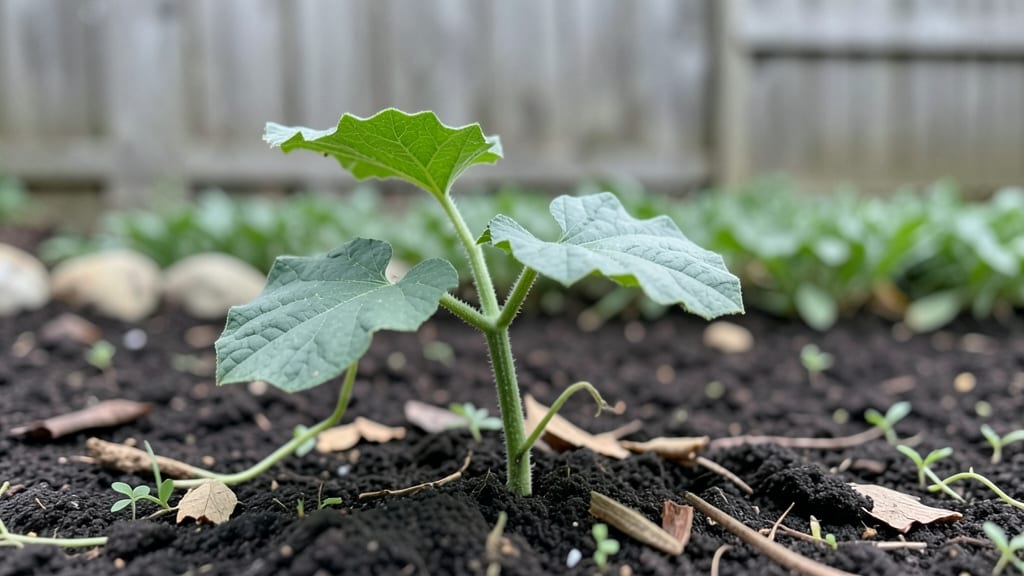
Mastering cucumber seedling identification early saves you from pulling up weeds—and your patience—later. 🌱 I’ve spent too many mornings pulling up what I thought were cucumbers—only to realize they were just stubborn purslane or chickweed.
The secret lies in those first leaves: real cucumber seedlings have round, lobed leaves that look like tiny maple leaves, while weeds often show up with jagged edges or serrated patterns.
Here’s the game-changer: true cucumber stems are hairy and ridged, almost like a miniature version of the mature plant. Run your fingers along the stem—if it’s smooth or fuzzy with fine hairs (like dandelion seedlings), you’ve got an imposter.
I keep a small magnifying glass handy to check leaf veins and stem texture, especially when seedlings are crowded. A quick comparison chart or app like "PlantNet" can save you from pulling up your future harvest.
By the time those first true leaves appear—about 10 days after planting—you’ll see the telltale five-lobed shape, often with a slightly heart-shaped base. These seedlings grow fast, so don’t wait until they’re 3 inches tall to confirm.
The earlier you spot them, the sooner you can thin or transplant them into their own space, giving them room to stretch those vines and produce crisp, productive cucumbers all season.
This trick works for both bush and vining varieties, so whether you’re growing in pots or a raised bed, you’ll never mistake a cucumber for a weed again.
Grab a notebook and jot down these details the next time you’re checking your seedlings—trust me, your future self will thank you when harvest time rolls around.
Root Causes of Misidentification
Accurately identifying cucumber seedlings can be tricky, especially for beginners. Missteps often stem from a mix of environmental factors, biological quirks, and even human error. Understanding these root causes helps you spot true seedlings faster and avoid wasting time on imposters.
Let’s break down the science behind why confusion happens—and how to fix it.
Cucumber seeds need specific conditions to sprout correctly. If these aren’t met, seedlings may emerge weak, deformed, or even mimic other plants entirely.
- Temperature Fluctuations: Cucumbers thrive in warm soil (70–90°F). If soil is too cold (<50°F), seeds may germinate slowly or produce stunted, yellowish seedlings that look unhealthy. Cold stress can also trigger abnormal leaf shapes, making them resemble weeds like purslane or cheeseweed.
- Moisture Imbalance: Overwatering can cause seeds to rot before sprouting, while underwatering leads to weak, leggy seedlings. Both scenarios may result in seedlings that lack the classic lobed, serrated leaves of true cucumbers, confusing growers into thinking they’re dealing with bittercress or mustard greens.
- Light Exposure: Seedlings grown in low light (e.g., under thick mulch or in shaded trays) stretch toward any available light, producing long, pale stems and small, underdeveloped leaves. These "etiolated" seedlings can resemble wild cucumber or even squash vines if not closely inspected.
💡 Pro Tip: Use a seedling heat mat (75–85°F) and keep soil consistently moist but not soggy. Place trays in a bright, indirect light spot (or under grow lights) to prevent legginess.
Before seedlings even emerge, pests and pathogens can alter their growth patterns, making identification nearly impossible. Here’s how:
- Fungal Infections (Damping-Off): Soil-borne fungi like Pythium or Rhizoctonia attack young seedlings at the soil line, causing stems to rot and collapse. Survivors may develop dark, irregular leaf spots or stunted growth, mimicking downy mildew in older plants.
- Insect Damage (Aphids, Cutworms):
- Aphids suck sap from leaves, causing them to curl or distort, making seedlings resemble cabbage worms or leaf miners.
- Cutworms chew stems at night, severing seedlings entirely. If partial damage occurs, the remaining plant may look like a deformed squash seedling.
- Viral Contamination (e.g., Cucumber Mosaic Virus): Spread by aphids, this virus causes mottled, crinkled leaves and stunted growth. Infected seedlings may resemble zucchini or melon seedlings if not examined closely.
🔥 Action Step: Sterilize soil with a 10-minute bake (200°F) or hydrogen peroxide (3%) before planting. Use neem oil or insecticidal soap to deter pests early.
Cucumber seedlings can easily be confused with common weeds, especially in garden beds or containers where seeds from other plants may have hitchhiked in.
- Look-Alike Weeds:
- Purslane (Portulaca oleracea): Fleshy, succulent stems and small, rounded leaves can fool growers into thinking they’re cucumber seedlings. Key difference: Purslane leaves are opposite (paired at nodes), while cucumber leaves are alternate.
- Lamb’s Quarters (Chenopodium album): Young plants have lobed, serrated leaves similar to cucumbers but grow in a rosette pattern and have a white, mealy coating on stems.
- Wild Cucumber (Echinocystis lobata): Vine-like growth with hairy stems and palmately lobed leaves can be mistaken for cucumber seedlings, but the leaves are larger and more divided.
- Seed Mix-Ups: If you reused containers or soil from a previous season, leftover seeds (e.g., squash, beans, or mustard greens) may sprout alongside cucumbers, creating a "seedling soup" of confusion.
🎯 Solution: Test soil for viability before planting. Use black plastic mulch to suppress weeds, and inspect seedlings at the cotyledon stage (first true leaves) for accurate ID.
Even the most experienced gardeners can misidentify seedlings if they rush the process or overlook key details.
- Premature Transplanting: Moving seedlings too soon (before they develop 2–3 true leaves) makes it hard to distinguish their shape. Weak or stressed seedlings may resemble basel or swiss chard sprouts.
- Incorrect Spacing: Overcrowding forces seedlings to compete for nutrients, leading to small, yellowed leaves that look diseased. This can mimic nutrient deficiency in true cucumbers.
- Ignoring Stem Texture: Cucumber seedlings have hairy, ridged stems with a slight waxy coating. Smooth or glossy stems (like those of tomato or pepper seedlings) are a dead giveaway for misidentification.
✨ Expert Hack: Snap a photo of your seedlings at the 2-leaf stage and compare them to a reference guide. Note the leaf arrangement (alternate vs. opposite) and stem hairiness.
Quick Fixes for Common Seedling Struggles
Now that you know what might be going wrong with your cucumber seedlings, let’s tackle those issues head-on with simple, actionable solutions.
Whether your seedlings are leggy, stunted, or just not looking right, these fixes will help you get them back on track—plus, we’ll share some pro tips to keep them thriving long-term.
Cause: Overcrowding, poor lighting, or inconsistent watering.
How to Fix It: 🔥 Thin Them Out – If seedlings are too close, gently snip or pull the weakest ones at soil level. Aim for 1–2 inches of space between plants to reduce competition. 🍳 Boost Light Exposure – Move seedlings to a sunny windowsill or under grow lights (12–16 hours/day). If outdoors, ensure they get 6+ hours of direct sunlight. 👨🍳 Repot if Needed – If roots are circling, transplant to a larger container with well-draining soil (mix in perlite or compost for aeration). 🌡️ Water Wisely – Keep soil moist but not soggy. Use a spray bottle for delicate seedlings to avoid disturbing the roots.
Prevention Tip: 💡 Start with high-quality seed-starting mix and avoid over-fertilizing early on—too much nitrogen can make stems weak!
Cause: Overwatering, fungal disease, or nutrient deficiency.
How to Fix It: 🔥 Check the Roots – If soil is waterlogged, let it dry slightly before watering again. Ensure pots have drainage holes. 🍳 Fungal Issues? – If leaves have yellow spots or mold, spray with a baking soda solution (1 tsp baking soda + 1 quart water + a drop of dish soap) or neem oil. 👨🍳 Nutrient Boost – Yellowing between veins? Add a balanced liquid fertilizer (like 10-10-10) at half strength. ⏰ Isolate if Needed – If disease spreads, quarantine affected seedlings to prevent contamination.
Prevention Tip: 🌡️ Space seedlings properly (3–4 inches apart) to improve airflow and reduce humidity-related fungal risks.
Cause: Compacted soil, lack of nutrients, or temperature stress.
How to Fix It: 🔥 Loosen the Soil – Gently scratch the surface of the soil to break up compaction. Mix in compost or worm castings for nutrients. 🍳 Warmth Matters – Cucumbers love warm soil (70°F+). If seedlings are cold-stressed, use a heat mat or move pots to a warmer spot. 👨🍳 Fertilize Lightly – Use a low-nitrogen, high-phosphorus fertilizer (like 5-10-5) to encourage root and stem growth. 🌡️ Check for Pests – Tiny holes or chewed leaves? Inspect for aphids or spider mites—spray with soapy water or introduce ladybugs as natural predators.
Prevention Tip: ✨ Hardening off seedlings gradually (acclimating them to outdoor conditions) prevents shock when transplanting.
Cause: Sudden environmental changes (wind, temperature, or soil differences).
How to Fix It: 🔥 Shade & Shelter – After transplanting, shield seedlings from harsh sun/wind for a few days using cloche covers or shade cloth. 🍳 Deep Watering – Water slowly at the base (not overhead) to reduce stress and encourage root establishment. 👨🍳 Wait Before Fertilizing – Give seedlings 1–2 weeks to recover before adding fertilizer. ⏰ Monitor Daily – Check for wilting or discoloration—if leaves droop, mist them lightly with water.
Prevention Tip: 🎯 Transplant on a cloudy day or in the late afternoon to minimize stress.
If your seedlings are completely wilted, blackened, or mushy, act fast:
- Remove affected plants to prevent spread.
- Disinfect tools with rubbing alcohol.
- Repot healthy seedlings in sterile, fresh soil.
- Adjust care (light, water, or temperature) based on the root cause.
Last Resort Tip: 💡 If all else fails, start over—sometimes a fresh batch grows stronger!
With these fixes, your cucumber seedlings should bounce back in no time. Patience and consistency are key—soon you’ll have sturdy, vibrant plants ready for the garden! 🌿💚
Frequently asked questions
How do I tell the difference between cucumber seedlings and common weeds?
Look at the leaf arrangement and stem texture. True cucumber seedlings have alternate leaves (one leaf per node) with hairy, ridged stems, while weeds like purslane have opposite leaves (paired at each node) and smooth stems. Lamb's quarters often have a white, mealy coating on stems that cucumbers lack.
At what stage can I confidently identify cucumber seedlings?
Wait until the true leaves appear (about 10 days after planting), not just the initial cotyledons. True cucumber leaves are round, lobed (like tiny maple leaves) with serrated edges. This is when you can reliably distinguish them from weeds or other young plants.
What should I do if my cucumber seedlings look weak or deformed?
Check for temperature stress (cucumbers need 70–90°F soil) and light exposure. Leggy seedlings need more light, while yellowing may indicate overwatering or nutrient deficiency. Use a heat mat if soil is too cold and move seedlings to bright, indirect light immediately.
Can I use apps or tools to help identify cucumber seedlings?
Yes! Apps like PlantNet or PictureThis let you upload photos of seedlings for instant identification. For a quick reference, print a comparison chart showing cucumber leaves vs. common weeds. Keep a magnifying glass handy to check stem hairiness and leaf veins.
What's the best way to prevent seed mix-ups in my garden?
Use fresh, sterile soil each season and avoid reusing containers without cleaning them thoroughly. Label your seedlings immediately after planting, and consider using black plastic mulch to suppress weeds. This keeps your cucumbers from competing with unwanted plants.