
Trees
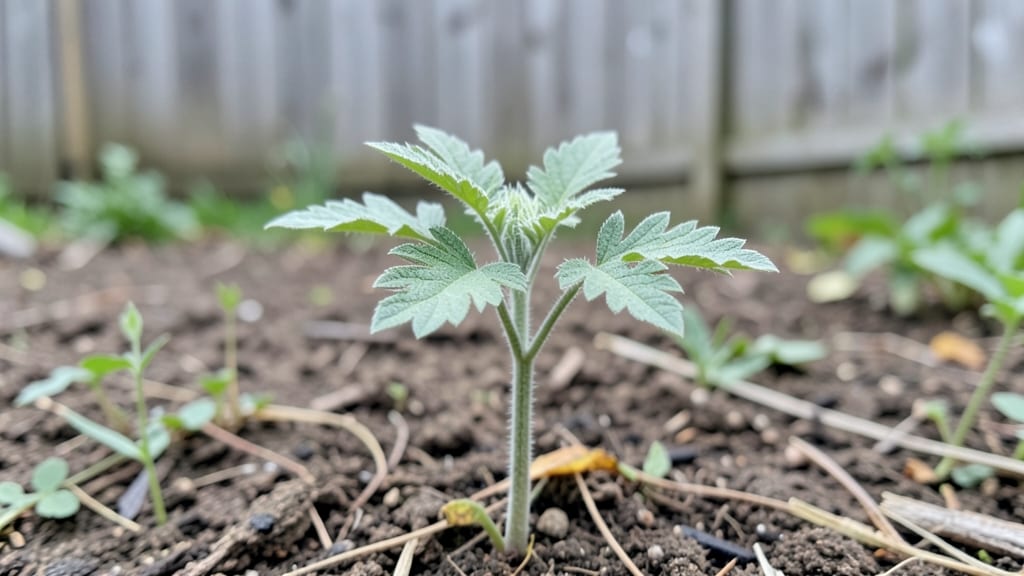
The identification of a cleome seedling early saves you from weeding out what you thought was a weed—those young plants start with deep green, lobed leaves that look like tiny maple leaves, growing in a rosette pattern close to the soil. 🌱 I learned the hard way after pulling up my first batch by mistake.
The key is paying attention to those three-lobed leaves and the way they clump low to the ground before shooting up. Early on, they resemble young okra or even some types of lambsquarters, but cleome seedlings stay compact until they get taller and develop their signature hairy stems.
Once you spot those distinctive leaves, you’ll know you’ve got cleome—fast-growing, drought-tolerant plants that’ll reward you with towering spikes of colorful blooms by midsummer. The trick is giving them space to spread before they get crowded out by weeds.
If you’re still unsure, snap a photo and compare it to mature cleome foliage. The earlier you confirm their identity, the sooner you can transplant them to their final spot—6-8 weeks after germination—where they’ll thrive with minimal fuss.
Mistakes That Blur Identification
Misidentifying cleome seedlings—often called spider flowers—can happen for several reasons, from environmental factors to human error. Understanding these causes helps you spot them faster and avoid costly mix-ups in your garden. Here’s why confusion happens, broken down by the real culprits.
Cleome seedlings share striking similarities with other plants, especially in their early stages. Their lobed, maple-like leaves and rapid vertical growth can mimic:
- Maple seedlings (e.g., Acer spp.): Both have palmate leaves, but cleome leaves are more deeply divided and lack the smooth edges of maple.
- Catalpa seedlings: Their heart-shaped leaves can look similar, but catalpa leaves are larger, glossier, and lack the fuzzy texture of cleome.
- Young hibiscus: Early hibiscus leaves are lobed too, but they’re softer, less rigid and grow in a bushier pattern.
Why it matters: Without close inspection, these plants can be mistaken for cleome, especially if you’re not familiar with their mature forms. Pro tip: 🔍 Check the leaf veins—cleome’s are prominent and hairy, while maple’s are smooth.
Cleome seedlings are sensitive to their surroundings, and stress can warp their usual appearance, making identification harder:
| Stressor | Effect on Seedlings | How to Fix It |
|---|---|---|
| Cold temperatures (<60°F) | Leaves may appear smaller, darker, or curled to conserve heat. Growth slows dramatically. | Use row covers or transplant indoors if frost threatens. |
| Overwatering | Leaves turn yellow or mushy, and stems may rot. Roots suffocate in soggy soil. | Let soil dry between waterings; use well-draining mix with perlite. |
| Poor light (shade > 4 hrs/day) | Seedlings stretch tall and leggy with pale, sparse leaves (etiolation). | Move to full sun (6+ hours) or supplement with grow lights. |
| Nutrient deficiency (e.g., nitrogen) | Leaves lose their deep green color, turning yellow or purple. Growth stunts. | Fertilize with balanced 10-10-10 or compost tea every 4 weeks. |
Why it matters: Stress can make cleome seedlings look nothing like their healthy counterparts, leading to misidentification. 💡 Always compare stressed seedlings to a healthy reference photo to spot subtle differences.
Even experienced gardeners can misjudge cleome seedlings due to:
- Focusing on the wrong features:
- ❌ Assuming all lobed leaves = cleome (ignoring vein texture or leaf base shape).
- ❌ Overlooking the seed pod stage—cleome’s spiky seed pods are a dead giveaway but only appear later.
- Comparing to mature plants:
- Seedlings lack the distinctive spider-like flowers or woody stems of adults, so beginners may dismiss them as weeds.
- Relying on color alone:
- Cleome leaves are green with a silvery down, but stress or disease can turn them brown or black.
Why it matters: Cleome’s true identity is in the details—leaf lobes, vein patterns, and growth habit. 🎯 Use a magnifying glass to inspect hairiness on stems or leaf undersides; cleome’s are densely fuzzy.
Cleome plants (Cleome hassleriana) are prone to cross-breeding with wild relatives or other species in the Capparaceae family, like Cleome spinosa (spider flower). This can create seedlings with:
- Mixed leaf shapes (e.g., some lobes deeper than others).
- Stems that are less hairy or more brittle.
- Flowers with different colors or fewer spikes.
Why it matters: Hybrid seedlings may not match your reference images, leading to confusion. 🔥 Grow cleome in isolated areas or hand-pollinate with a brush to maintain purity.
Fixing Common Cleome Seedling Struggles
If your cleome seedlings aren’t thriving, don’t panic—most issues have simple fixes! Below, we’ve mapped common problems to practical solutions, so you can get your seedlings back on track. Prevention tips are included to keep your future plants healthy.
Cause: Too many seedlings competing for sunlight, water, and nutrients.
How to Fix It: 🔥 Thin Them Out – Use clean scissors or your fingers to gently remove weaker seedlings, leaving only the strongest 2–3 inches apart. This gives remaining plants room to grow.
🍳 Repot if Needed – If seedlings are still too close after thinning, transplant them into larger containers or individual pots with well-draining soil.
Prevention Tips: ✨ Start Small – Sow seeds in separate cells or small pots to avoid overcrowding from the beginning. 🌡️ Monitor Growth – Check seedlings weekly and thin before they become root-bound.
Cause: Insufficient light or overwatering, leading to weak stems.
How to Fix It: 👨🍳 Move to Bright Light – Place seedlings near a south-facing window or under grow lights (12–16 hours/day). Avoid direct midday sun, which can scorch tender leaves.
🥘 Support Them – If stems are too weak, gently stake them with toothpicks or small bamboo stakes to prevent bending.
Prevention Tips: 💡 Use Grow Lights Early – If natural light is limited, supplement with LED grow lights from day one. 🎯 Water at the Base – Avoid wetting leaves to prevent fungal issues, which weaken seedlings further.
Cause: Overwatering, poor airflow, or contaminated soil.
How to Fix It: 🔪 Trim Affected Leaves – Remove any blackened or moldy leaves immediately with sterilized scissors.
⏰ Adjust Watering – Let the top inch of soil dry out between waterings. Use a spray bottle for gentle misting instead of overhead watering.
Prevention Tips: 🌡️ Sterilize Tools & Soil – Wash containers with soapy water and use fresh, well-draining soil mix. 💨 Improve Airflow – Space seedlings apart and use a small fan on low setting to encourage circulation.
Cause: Aphids, spider mites, or other common garden pests.
How to Fix It: 🚿 Rinse Off Pests – Spray seedlings with a strong stream of water to dislodge aphids or mites.
🧴 Neem Oil Spray – Mix 1 tsp neem oil with 1 quart of water and spray lightly on leaves (test on one leaf first).
Prevention Tips: 🔍 Inspect Regularly – Check undersides of leaves weekly for early signs of pests. 🌿 Encourage Beneficial Insects – Plant companion herbs like basil or marigolds nearby to deter pests naturally.
Final Tip: Keep a seedling care journal! Note watering schedules, light conditions, and growth progress to spot issues early. With these fixes, your cleome seedlings will grow strong and vibrant—ready for transplanting! 🌟
Frequently asked questions
How do I tell cleome seedlings apart from young okra plants?
Look at the leaf shape and texture: cleome leaves are deeply lobed with fuzzy undersides, while okra seedlings have smooth, heart-shaped leaves with a single central vein. Cleome leaves also grow in a tight rosette close to the ground before shooting up, whereas okra leaves spread more evenly.
Why do my cleome seedlings look like weeds?
Early-stage cleome seedlings often resemble common weeds like lambsquarters due to their lobed, green leaves. The key difference is cleome's hairy stems and silvery leaf backs—check with a magnifying glass if unsure. Healthy cleome also grows in a compact cluster before elongating.
When should I transplant cleome seedlings?
Transplant when seedlings have 2-3 sets of true leaves (about 4-6 weeks after germination) and are at least 3-4 inches tall. Harden them off first by placing outside for 1-2 hours daily over 5-7 days. Choose a sunny spot with well-draining soil for best results.
What if my cleome seedlings get too tall before transplanting?
Leggy seedlings need immediate attention: move them to bright light (grow lights if needed) and pinch back the top growth to encourage bushier development. If already too tall, bury stems deeper when transplanting—they'll root at nodes and stabilize. Avoid fertilizing until after transplanting.
Can I identify cleome by its smell?
No, cleome seedlings have no distinctive scent. Identification relies solely on visual traits: lobed leaves, fuzzy stems, and silvery leaf undersides. If you're still unsure, wait until flowering when the spider-like blooms become unmistakable.