
Trees
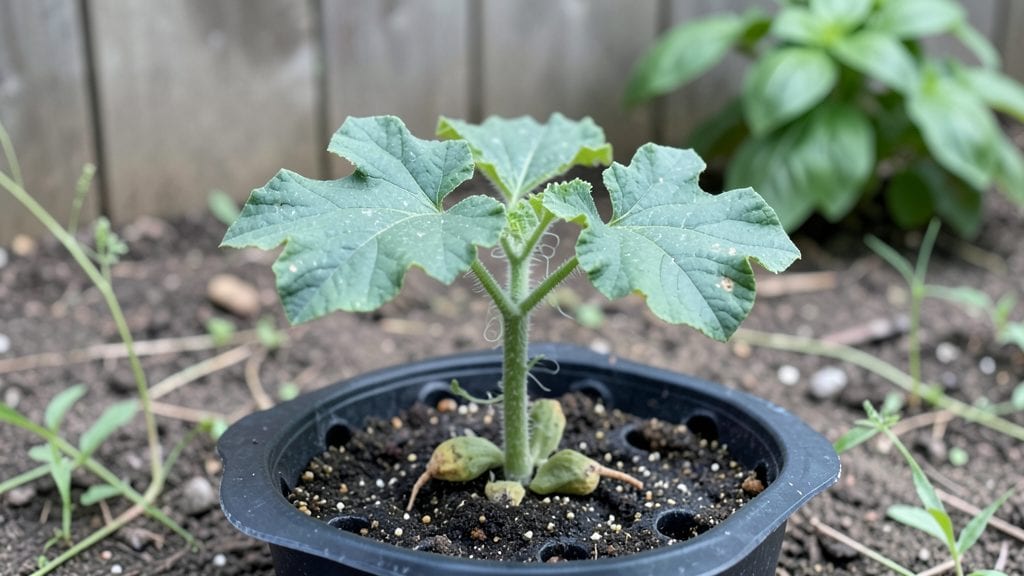
The identification of melon seedlings early saves you from weeding out your future harvest—those round, lobed cotyledons are your first clue. 🌱 I’ve pulled up "melons" that turned out to be weeds because I ignored this tiny detail.
Next, check the stem color—melon stems are usually hairy and pale green, while cucumber stems stay smooth and darker. True leaves (the second set) are the real giveaway: melons develop deeply lobed, rough-edged leaves that look like tiny watermelon slices.
Squash seedlings, by contrast, have broader, smoother leaves that almost look like maple leaves.
Transplant when seedlings have 3-4 true leaves and are about 4 inches tall, using a soft cloche to protect them from pests. The key is speed—melons hate being moved once they’re established, so act fast.
You’ll know you’ve got it right when those lobed leaves start spreading wider than your hand.
For varieties like cantaloupe or honeydew, the hairy stems and rough leaf texture are consistent, but some heirlooms (like Asian melons) can have slightly smoother leaves. If you’re still unsure, snap a photo and compare it to your seed packet—most include seedling images that save you from guesswork.
Root Causes Behind Misidentification
Understanding why melon seedlings can be tricky to identify starts with recognizing the biological and environmental factors that influence their growth patterns. Here’s a breakdown of the most common reasons why gardeners and horticulturists struggle with accurate melon seedling identification:
Melon seedlings (Cucumis melo and Cucumis melo var. flexuosus) exhibit high genetic diversity even within the same species.
This natural variation stems from: - Hybridization: Cross-pollination between different melon varieties (e.g., cantaloupe vs. honeydew) can produce seedlings with unpredictable traits, blending leaf shapes, stem colors, and growth habits. - Inbreeding depression: Some heirloom or open-pollinated seeds may produce seedlings with weaker, less uniform characteristics, making identification harder. - True-breeding vs. hybrid seeds: Commercial hybrid seeds (like those from seed companies) are bred for consistency, but homegrown or saved seeds can yield seedlings that don’t match the parent plant’s traits.
Actionable tip: 💡 If you’re growing from saved seeds, test a few seedlings before committing to thinning—some may surprise you with unexpected features!
Seedlings don’t grow in a vacuum—they react to their surroundings, which can alter their appearance and lead to misidentification.
Key stressors include: - Temperature fluctuations: Cool soil (<50°F/10°C) or nighttime temps below 60°F (15°C) can stunt growth, causing purpling in stems (a stress response, not a variety trait) or yellowing leaves that mimic disease. - Light intensity: Low light (e.g., shaded seedlings) produces longer, leggier stems with darker green or reddish hues, while excessive sunlight can scorch leaves, making them look distorted. - Moisture extremes: Overwatering leads to soft, pale stems and yellowing cotyledons, while underwatering causes thick, woody stems and crinkled leaves—both can be mistaken for different varieties.
Pro tip: ✨ Use a seedling heat mat (70–80°F/21–27°C) to ensure consistent germination and reduce stress-related trait changes.
Diseases and pests mimic or exaggerate natural melon seedling traits, creating confusion.
Common culprits: - Fungal infections (e.g., Pythium or Fusarium): - Damping-off: Causes blackened, mushy stems at the base, making seedlings collapse (often mistaken for weak cantaloupe varieties). - Powdery mildew: Leaves develop white, powdery patches, which can resemble the fuzzy texture of some heirloom melon leaves. - Viral infections (e.g., cucumber mosaic virus): - Mottled or streaked leaves that don’t match any standard melon variety. - Stunted growth with abnormal leaf shapes (e.g., curled or cupped edges). - Insect damage (e.g., aphids, spider mites): - Sticky residue (honeydew) on leaves can distort color and texture. - Webbing or chewed edges may alter leaf shape, making identification unreliable.
Prevention tip: 🛡️ Start seeds indoors in sterile soil and use row covers outdoors to shield young seedlings from pathogens and pests.
Even with healthy seedlings, misidentification often boils down to observation mistakes. Common pitfalls: - Focusing on the wrong traits: Novices often rely on cotyledon (first leaves) shape, which is less reliable than true leaves (the second set).
Cotyledons can look similar across melon types, while true leaves reveal variety-specific serrations or lobing. - Ignoring growth stage: Seedlings change dramatically in the first 2–3 weeks.
A round-leafed cantaloupe seedling might develop lobed leaves later—assuming it’s a different variety too early leads to errors. - Color confusion: Stem color (e.g., red vs. green) can vary dramatically with light exposure.
A seedling in shade might have deep purple stems, while the same variety in sun could be light green.
Quick fix: 🎯 Wait until seedlings have 2–3 true leaves before attempting identification—this is when variety-specific traits become clearer.
Next up: How to Tell Cantaloupe vs. Honeydew Seedlings Apart—a visual guide to nailing those key differences!
Quick fixes for seedling struggles
When your melon seedlings aren’t quite right, acting fast can make all the difference. Below are practical, step-by-step solutions tailored to common issues—from stunted growth to odd leaf patterns—along with prevention tips to keep your seedlings thriving. Think of this as your seedling first-aid kit!
Cause: Overcrowding, insufficient light, or poor soil nutrition.
How to Fix It:
- 🔥 Thin Out Seedlings – Use clean scissors to snip off weaker seedlings at the base, leaving only the strongest 2–3 inches apart. This prevents competition for nutrients.
- 🌞 Boost Light Exposure – Move seedlings to a sunny windowsill or under grow lights (12–16 hours/day). South-facing windows or a reflective surface (like aluminum foil) can help redirect light.
- 🍽️ Fertilize Lightly – Use a balanced, water-soluble fertilizer (like 5-5-5) at half-strength once true leaves appear. Avoid over-fertilizing—too much salt can burn roots!
Prevention Tips: ✔ Sow seeds in individual pots (2–3 inches deep) to avoid crowding. ✔ Use seed-starting trays with drainage holes to prevent waterlogging. ✔ Rotate seedlings daily if light is uneven to ensure even growth.
Cause: Fungal diseases (like powdery mildew), nutrient deficiencies, or pests.
How to Fix It:
- 💧 Adjust Watering Habits – Water at the base (not overhead) to reduce fungal spores. Use a fungicide spray (neem oil or baking soda solution: 1 tsp baking soda + 1 quart water + a drop of dish soap) if spots appear.
- 🌡️ Improve Airflow – Space seedlings 6–12 inches apart and use a small fan on low setting for 1–2 hours daily to dry leaves faster.
- 📊 Check Soil pH & Nutrients – Test soil pH (ideal: 6.0–6.8). Yellow leaves on older growth? Likely nitrogen deficiency—add compost tea or a fish emulsion. Yellowing on new leaves? Could be magnesium (Epsom salt: 1 tbsp/gallon of water).
Prevention Tips: ✔ Sterilize tools with rubbing alcohol before use. ✔ Avoid wet foliage—water early in the day so leaves dry by evening. ✔ Rotate crops if reusing soil to prevent disease buildup.
Cause: Overwatering, underwatering, or root damage.
How to Fix It:
- 💦 Check Soil Moisture – Stick your finger 1 inch deep into the soil. If dry, water thoroughly; if soggy, stop watering immediately and let soil dry slightly.
- 🔄 Repot if Needed – If roots are circling or mushy, transplant into fresh, well-draining potting mix. Gently tease apart roots to encourage new growth.
- 🌡️ Adjust Temperature – Keep seedlings in 70–80°F range. Avoid cold drafts or heat sources (like vents).
Prevention Tips: ✔ Use well-draining soil (mix potting soil with perlite or vermiculite). ✔ Water consistently—stick to a schedule (e.g., every 2–3 days) rather than sporadically. ✔ Monitor humidity—use a humidity dome (remove once seedlings sprout) or place trays on pebbles with water.
Cause: Aphids, spider mites, or whiteflies sucking sap.
How to Fix It:
- 🔪 Blast Off Pests – Spray seedlings with soapy water (1 tsp mild soap per quart of water) or neem oil (1 tsp oil + 1 quart water + drop of soap).
- 🕷️ Introduce Beneficial Insects – Release ladybugs or lacewings (available at garden centers) to eat pests naturally.
- 🌿 Isolate Infested Seedlings – Move affected plants away from healthy ones to prevent spread.
Prevention Tips: ✔ Inspect new plants before bringing them indoors. ✔ Encourage predators like birds or predatory mites in your garden. ✔ Use reflective mulch (like aluminum foil) to deter pests.
Pro Tip: 💡 Keep a seedling journal! Note watering, light, and fertilizer schedules to spot patterns in growth issues. A little record-keeping saves time and stress later.
Frequently asked questions
How do I tell melon seedlings apart from cucumber seedlings?
Look at the stem texture and leaf shape. Melon seedlings have hairy stems and deeply lobed leaves that resemble tiny watermelon slices, while cucumbers have smooth, dark green stems and broader, smoother leaves. The cotyledons (first leaves) are similar, but true leaves (second set) reveal the difference.
Can I transplant melon seedlings too early?
Yes, but avoid it! Wait until seedlings have 3-4 true leaves and are about 4 inches tall. Transplanting too soon stresses the plant and can stunt growth. Use a soft cloche to protect young seedlings from pests and temperature swings after moving them outdoors.
Why do my melon seedlings look different from the seed packet?
Genetic variation is normal, especially with heirloom or saved seeds. Hybrid seeds are more consistent, but saved seeds can produce seedlings with unexpected traits. Check the true leaves (not cotyledons) for variety-specific features like leaf shape or stem hairiness. Compare with the seed packet’s images if unsure.
What if my melon seedlings have purple stems?
Purple stems are usually a stress response to cool temperatures (<60°F/15°C) or poor light. They’re not harmful but indicate the plant needs warmer conditions or more sunlight. Move seedlings to a sunnier spot or use a seedling heat mat (70–80°F/21–27°C) to help them recover.
How do I know if a seedling is a melon vs. squash?
Squash seedlings have broader, smoother leaves that resemble maple leaves, while melons develop rough, lobed leaves with serrated edges. Also, squash stems are smooth and darker green, whereas melon stems are hairy and pale green. Check these traits once true leaves appear.