Picking
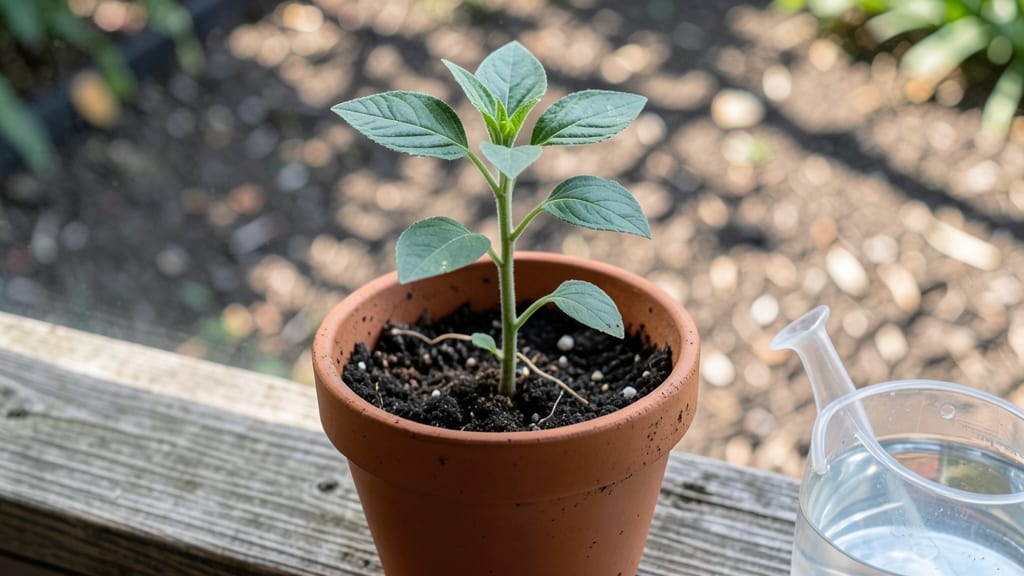
Mastering pepper seedling identification by leaf shape and color saves you from growing the wrong variety in your garden—those first few leaves hold all the clues you need if you know where to look. 🌱 I’ve spent years watching seedlings transform, and those early stages reveal everything. look.
A bell pepper’s broad, rounded leaves look nothing like the narrow, serrated edges of a jalapeño, and the color of the stems can even hint at heat level before the plant bears fruit.
The key is comparing seedlings side by side under good light. Bell pepper leaves start out thick and slightly waxy, while hot peppers like habaneros have delicate, almost lacy foliage.
Jalapeños and serranos often show a slight purple tint in their stems when young, a trait that fades as they mature. I’ve caught mislabeled seedlings this way—saving myself from a harvest of mild peppers when I wanted heat.
Once you’ve matched the leaves to the right variety, your next step is giving them the care they need. Bell peppers thrive in rich, well-draining soil with consistent moisture, while hot peppers prefer slightly drier conditions to prevent disease.
By the time they’re 4-6 inches tall, you’ll be able to transplant them with confidence, knowing exactly what’s coming to your table.
This method works for any pepper variety, from sweet bananas to fiery ghost peppers. The earlier you start identifying, the better your garden’s chances of success—and the fewer surprises you’ll get when harvest time rolls around. Let’s get those seedlings sorted!
Common Causes of Misidentifying Seedlings
When it comes to pepper seedling identification, even the most experienced gardeners can stumble. Misidentifying seedlings often stems from a mix of natural biological factors, environmental influences, and human oversight. Understanding these causes can help you sharpen your eye and avoid costly mistakes in your garden.
Below, we break down the most common reasons why seedlings might look different from what you expect—and how to spot the clues.
Not all seeds are created equal, even from the same pepper variety. Genetic variation occurs naturally due to:
- Hybridization: If you’re growing heirloom or open-pollinated peppers, cross-pollination can produce seedlings with mixed traits. For example, a Jalapeño might cross with a Bell Pepper, resulting in seedlings with unexpected leaf shapes or colors.
- Seed Quality: Old, stored, or low-quality seeds may not germinate true to type. Always source seeds from reputable suppliers and check expiration dates.
- True Breeding vs. Hybrids: Hybrid pepper seeds (like Sweet Banana) are bred for consistency, but even these can show slight variations. Heirlooms, however, are more prone to surprises.
💡 Pro Tip: If you’re growing from seed, start with a small batch to test germination and identify any oddballs early. Save seeds only from plants you’ve positively identified!
Seedlings don’t grow in a vacuum—their environment plays a huge role in their appearance. Stress from temperature, light, or moisture can alter leaf shape, color, and growth patterns:
- Temperature Fluctuations: Cool nights or heat spikes can cause stunted growth, curled leaves, or even chlorosis (yellowing). A Cayenne seedling might develop broader leaves if stressed by cold.
- Light Deficiency: Weak, leggy seedlings with pale leaves often result from insufficient light. This can make identification harder because the plant’s true traits are masked.
- Overcrowding or Root Bind: If seedlings are too close together, they compete for nutrients, leading to smaller, darker leaves. This can mimic disease symptoms.
- Nutrient Imbalance: Too much nitrogen (common in young seedlings) produces lush but weak foliage, while deficiencies (like lack of magnesium) cause yellowing between veins.
🌡️ Actionable Fix: Use a grow light if natural light is weak, and thin seedlings to 2–3 inches apart. Test soil pH (ideal: 6.0–6.8 for peppers) to rule out nutrient issues.
Pests and pathogens can drastically alter a seedling’s appearance, making it look nothing like its intended variety. Common culprits include:
- Fungal Infections:
- Damping-off: Causes seedlings to collapse at the stem base, often due to overwatering or poor drainage.
- Powdery Mildew: Leaves develop white, powdery patches, distorting shape and color.
- Viral or Bacterial Issues:
- Bacterial Spot: Tiny dark spots on leaves can make a Poblano seedling look diseased when it’s actually just a nutrient deficiency.
- Mosaic Virus: Causes mottled, yellow-green patterns on leaves, mimicking genetic variation.
- Pests:
- Aphids or Spider Mites: Suck sap, leading to curled, stunted, or discolored leaves.
- Cutworms: Chew stems at night, causing seedlings to wilt suddenly.
🔍 How to Tell the Difference: Healthy seedlings have vibrant, glossy leaves with consistent veining. Disease or pest damage often shows irregular patterns, spots, or physical damage (e.g., holes, webbing).
Sometimes, the mistake isn’t with the plant—it’s with the gardener! Common human pitfalls include:
- Mislabeling Seeds: Mixing seed packets or forgetting to label trays can lead to confusion. A Habanero seedling might end up in a Bell Pepper row by accident.
- Incorrect Planting Depth: Burying seeds too deep can cause leggy, weak seedlings that struggle to develop true leaves.
- Using the Wrong Growing Medium: Heavy clay soil or sterile potting mix without compost can stunt growth, making identification harder.
- Transplant Shock: Moving seedlings too early or roughly can stress them, altering their appearance temporarily.
📝 Prevention Tip: Keep a detailed planting log with seed varieties, dates, and locations. Use clear labels and consider taking photos of seedlings at the 2–4 leaf stage for reference.
By recognizing these common causes, you’ll be better equipped to distinguish between a genuine pepper variety and an environmental or human-induced anomaly. Next, we’ll explore how to use leaf shape and color as reliable identification tools to avoid these pitfalls.
Fixing Common Pepper Seedling Issues
When your pepper seedlings show unexpected traits—whether it’s odd leaf shapes, color shifts, or stunted growth—quick action can save your harvest. Below are practical, step-by-step solutions tailored to the most common problems, along with prevention tips to keep your seedlings thriving. 🌱🔍
Cause: Yellowing leaves (especially older ones) often signal nitrogen deficiency, while pale, limp seedlings may be overwatered or suffering from root rot.
How to Fix It: 🔥 Test the Soil: Use a soil pH test kit (ideal range: 6.0–6.8). If too acidic or alkaline, amend with lime (for acidity) or sulfur (for alkalinity). 🍳 Fertilize Smartly: Switch to a balanced fertilizer (10-10-10) or a low-nitrogen, high-phosphorus option (like 5-10-10) for root growth. Avoid high-nitrogen fertilizers if leaves are already yellow. 👨🍳 Adjust Watering: Let the top 1–2 inches of soil dry between waterings. Use well-draining pots (like terracotta) and avoid saucers that trap excess water. ⏰ Prune Damaged Leaves: Snip off yellow or mushy leaves with clean scissors to prevent disease spread.
Prevention Tips: ✨ Use coco coir or perlite in seed-starting mixes to improve drainage. 💡 Water at the base (not overhead) to reduce fungal risks. 🌡️ Keep seedlings in bright, indirect light (12–16 hours/day) to prevent weak, pale growth.
Cause: Seedlings that stretch toward light (etiolation) or stay tiny are usually light-deprived or too cold.
How to Fix It: 🔥 Boost Light Exposure: Move seedlings within 6 inches of grow lights (LED or fluorescent) or place them in a south-facing window (if natural light is weak). 🍳 Thin Crowded Seedlings: If seedlings are touching each other, transplant the weakest ones into individual pots (2–3 inches in diameter). 👨🍳 Warm Up the Environment: Keep temperatures between 70–85°F (21–29°C). Use a seedling heat mat if your home runs cool. ⏰ Hardening Off Gradually: If outdoors, acclimate seedlings over 7–10 days by exposing them to 1–2 hours of direct sun daily, increasing time slowly.
Prevention Tips: ✨ Start with high-quality seeds from reputable suppliers to avoid weak varieties. 💡 Use reflective surfaces (like aluminum foil) behind seed trays to maximize light bounce. 🎯 Avoid cold drafts near windows or doors—seedlings are sensitive to temperature swings.
Cause: Dark spots, wilting, or mushy stems are signs of damping-off (fungal) or bacterial leaf spot.
How to Fix It: 🔥 Remove Infected Seedlings: Pull out any seedlings with blackened stems or leaves immediately to stop the spread. 🍳 Apply Fungicide: Spray with a copper-based fungicide or neem oil solution (1 tbsp neem oil + 1 tsp mild soap per quart of water). Reapply every 5–7 days. 👨🍳 Improve Airflow: Space seedlings 2–3 inches apart and use a small fan on low speed (24/7) to reduce humidity around them. ⏰ Sterilize Tools & Soil: Wash pots with 10% bleach solution, and pasteurize soil by baking it at 180°F (82°C) for 30 minutes before reuse.
Prevention Tips: 💡 Water only in the morning to allow foliage to dry quickly. 🌡️ Avoid overhead watering—use a watering can with a narrow spout or drip irrigation. ✨ Rotate crops if reusing containers to prevent soil-borne pathogens.
Cause: Purple tinges (especially on stems or undersides of leaves) indicate low phosphorus or temperature/light stress.
How to Fix It: 🔥 Add Phosphorus-Rich Fertilizer: Use a bone meal (for organic gardens) or a high-phosphorus fertilizer (like 5-10-10). Follow package rates. 🍳 Check Temperature: Ensure seedlings are not below 60°F (15°C) at night. Use a heat mat if needed. 👨🍳 Increase Light Intensity: If using artificial lights, upgrade to full-spectrum LEDs or extend light exposure to 14–16 hours/day.
Prevention Tips: 🎯 Start seeds in warm soil (70–80°F / 21–27°C) for faster, healthier growth. 💡 Avoid transplant shock—harden off seedlings slowly before moving them outdoors.
Pro Tip: 🔥 Keep a seedling journal! Note symptoms, fixes, and outcomes to refine your approach for next time. Happy growing! 🌶️💚
Frequently asked questions about pepper seedlings
How early can I reliably identify pepper seedlings?
You can start recognizing basic traits as early as the 2-4 true leaf stage (about 2-3 weeks after germination). Look for leaf shape—bell peppers have rounded, thick leaves while hot varieties like jalapeños show narrower, serrated edges. Stem color also helps: purple-tinged stems often indicate heat varieties.
What’s the biggest mistake beginners make when identifying seedlings?
Confusing cotyledons (seed leaves) with true leaves—cotyledons look similar across all pepper varieties and aren’t useful for identification. Always wait for the first set of true leaves (the smaller leaves that appear after cotyledons) to appear before attempting identification.
Can I use leaf color alone to identify pepper varieties?
Leaf color helps but isn’t definitive on its own. While dark green often indicates mature plants, young seedlings can show purple or reddish hues due to phosphorus deficiency or cool temperatures—not variety traits. Focus on leaf shape and vein patterns combined with color for more accurate matching.
What should I do if my seedlings look healthy but I’m unsure of the variety?
Take close-up photos of the leaves (front and back) and compare them to variety charts online. If possible, check the seed packet labels or consult a local gardening group—they often have experienced growers who can help confirm identifications.
How does transplanting affect seedling identification?
Transplant shock can temporarily alter leaf appearance—expect some wilting or color changes for 1-2 weeks after moving seedlings. Focus on leaf shape and growth patterns rather than temporary stress symptoms. Once established, the true variety traits will re-emerge as the plant matures.