Vegetables
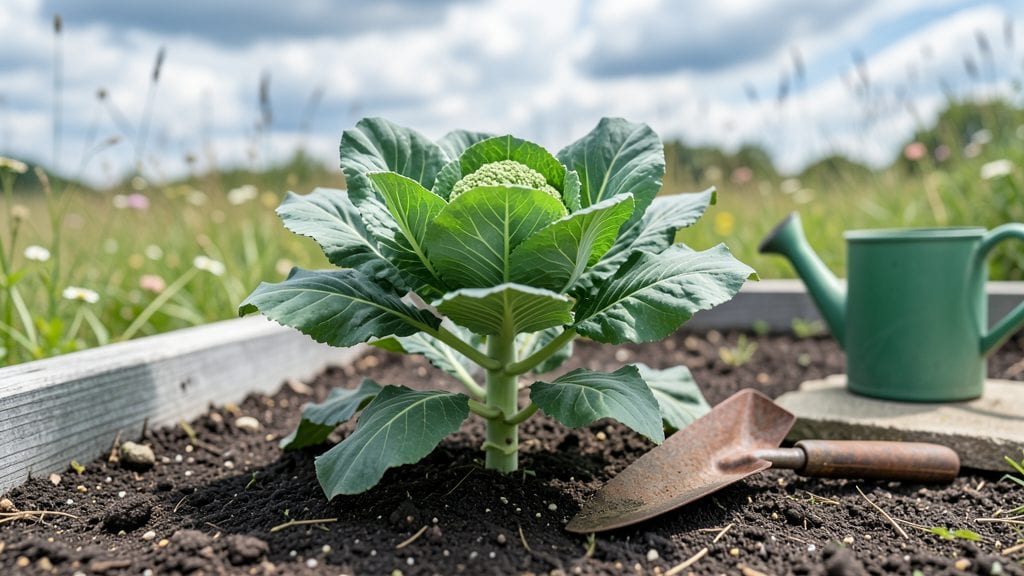
My cauliflower seedlings were turning into sad, yellowed messes until I learned the 5-minute fix for wilted leaves—no fancy tools needed. The key is catching the problem early, whether it’s overwatering, pests, or fungal spots, and acting fast before the whole plant gives up.
I’ve revived seedlings that looked done for just by adjusting care and a quick spray.
Start by checking the soil—it should feel like a damp sponge, not a swamp. If leaves are curling or spotted, isolate the plant and give it a light mist of neem oil or baking soda spray (1 teaspoon baking soda + 1 quart water).
Most issues clear up within 24-48 hours if you catch them early. The secret? Consistency: keep the soil moist but not soggy, and watch for pests like aphids hiding on the undersides of leaves.
📚 In This Guide
- What you need
- Instructions
- Tips and common mistakes
- Wrapping up and next steps
What you need
- ● Cauliflower seedlings: 1–5 seedlings (depending on your garden size). Choose young plants with wilted or yellowing leaves.
- ● Well-draining potting mix: 1–2 gallons (4–8 liters) of high-quality, organic soil (e.g., Miracle-Gro Potting Mix or FoxFarm Ocean Forest).
- ● Watering can or spray bottle: With a fine mist nozzle for gentle hydration.
- ● Pruning shears or clean scissors: For trimming damaged leaves.
- ○ Balanced liquid fertilizer (optional but helpful): 1–2 tbsp of Fish Emulsion or Seaweed Extract diluted in 1 gallon of water.
- ● Gloves: To protect your hands while handling soil or seedlings.
- ● Small container or tray: For reviving seedlings (e.g., a shallow dish or propagator).
- ○ Humidity dome or plastic wrap: To create a mini greenhouse effect (optional but speeds recovery).
- ○ pH testing kit (optional): To check soil pH (ideal range: 6.0–7.0 for cauliflower).
- ● Sunlight or grow lights: Ensure seedlings get 6–8 hours of indirect light daily.
How to revive wilted cauliflower seedling leaves
When your cauliflower seedlings look limp and sad, quick action can bring them back to vibrant life.
Assess the Problem and Check Moisture Levels
First, gently squeeze the soil around the seedlings to determine if the issue is water-related. If the soil feels bone-dry, your seedlings are simply thirsty. Cauliflower seedlings need consistent moisture, but soggy soil can also cause wilting. The key is finding that perfect balance where the soil is damp but not saturated. You’ll know it’s right when the top inch feels cool to the touch but not dripping.
If the soil feels damp but the leaves are still wilted, the problem might be something else—like heat stress or poor air circulation. In that case, move the seedlings to a cooler, shaded spot immediately. Wilting from heat usually happens when temperatures exceed 85°F, and cauliflower seedlings can’t handle that kind of stress. Watch for leaves that feel crispy or dry to the touch, which signals heat damage rather than just thirst.
Water Gently and Evenly
If the soil is dry, water the seedlings slowly and evenly at the base, avoiding the leaves. Use a small watering can or a spray bottle to deliver water directly to the soil. You want to moisten the root zone without creating puddles or disturbing the delicate seedlings. A good rule of thumb is to water until you see moisture seeping out of the drainage holes at the bottom of the container.
Watering from above can lead to fungal issues, so focus on the soil. After watering, wait about 10 minutes before checking the soil again. If it still feels dry, give it another light watering. Overwatering is just as harmful as underwatering, so resist the urge to drown the seedlings in an attempt to revive them. You’ll see the leaves perk up within 30-60 minutes if the wilting was due to thirst.
Adjust Light and Airflow Conditions
Cauliflower seedlings need 4-6 hours of indirect light daily, but too much direct sun can cause wilting. If your seedlings are near a bright window, move them back about 12 inches to reduce stress. You’ll notice the leaves start to firm up and regain their color within a few hours of adjusting the light exposure.
Poor airflow can also cause wilting, especially in crowded trays. Gently separate seedlings if they’re touching each other, giving each plant at least 2 inches of space to breathe. If you’re using a humidity dome, remove it temporarily to improve air circulation. You’ll see the leaves straighten out and regain their glossy appearance as the seedlings recover from the lack of airflow.
Provide Support if Needed
If the wilting is severe and the seedlings appear weak, consider staking them temporarily. Use small wooden stakes or popsicle sticks to prop up the stems while they recover. This prevents the seedlings from bending or breaking under their own weight. Once the leaves perk up and the stems firm up, you can remove the support.
After reviving the seedlings, keep an eye on them for the next 24 hours. If the wilting returns, it could signal a deeper issue like root rot or pest damage. In that case, you may need to repot the seedlings into fresh, sterile soil. With proper care, your cauliflower seedlings should bounce back and continue growing strong, ready for transplanting in a few weeks.
Tips & tricks for reviving wilted cauliflower seedlings
A few quick strategies will help you diagnose and fix wilting before it becomes a bigger problem.
Soil Test Technique: In Step 1, when checking soil moisture, press your finger about an inch deep—this is where the roots are actively absorbing water. If the soil feels cool and damp but not wet, your seedlings are likely thirsty. I learned this the hard way after overwatering seedlings because I only checked the surface. The top inch can dry out while the lower soil still holds moisture, leading to confusion about whether to water or not.
Heat Stress Recovery: If your seedlings are wilting in temperatures above 85°F, move them to a shaded area immediately. I recommend placing them under a sheer curtain or moving them to a cooler part of your home. You'll notice the leaves begin to recover within a few hours as they cool down. For severe cases, a small fan on low setting can help improve airflow without adding stress.
Watering Watch: After watering in Step 2, let the seedlings sit for exactly 10 minutes before checking again. This gives the water time to penetrate the soil rather than just sitting on top. I've seen many gardeners overwater because they check too soon and see dry soil. Patience here is key—you want the moisture to reach the roots, not just the surface.
Light Adjustment: When adjusting light in Step 3, remember that indirect light is crucial. If you're using a grow light, position it about 12 inches away and use a timer for 4-6 hours daily. I've found that seedlings recover fastest when they get consistent, gentle light rather than harsh direct sunlight. You'll see the difference in leaf color within just a few hours of making this adjustment.
Pro Tips for Cauliflower Seedling Leaves
- A few quick strategies will help you diagnose and fix wilting before it becomes a bigger problem.
- Soil Test Technique: In Step 1, when checking soil moisture, press your finger about an inch deep—this is where the r...
- Heat Stress Recovery: If your seedlings are wilting in temperatures above 85°F, move them to a shaded area immediatel...
Frequently asked questions
about cauliflower seedling leaves—whether you're troubleshooting wilting, curious about care, or looking for quick fixes—we’ve got you covered! Here are the most common questions gardeners ask:Why are my cauliflower seedling leaves turning yellow or wilting?
Yellow or wilted leaves are often caused by overwatering (root rot) or underwatering (stress). Check the soil moisture—it should feel damp but not soggy. Also, ensure proper drainage and avoid cold drafts, which can shock young seedlings.
How long does it take for wilted cauliflower leaves to recover?
With the right care (like trimming damaged leaves and adjusting water), most seedlings show improvement in 24–48 hours. If leaves stay crispy or black, the plant may be beyond saving—start fresh with a new seedling!
Should I water cauliflower seedlings daily?
No! Water every 2–3 days (or when the top inch of soil is dry). Overwatering is a top killer of seedlings. Use a spray bottle for gentle hydration, especially in hot weather, to avoid shocking the roots.
Can I save a cauliflower seedling with only a few leaves left?
Yes, but act fast! Trim any mushy or brown leaves, move the seedling to indirect light, and reduce watering slightly. If the stem is still firm, it can regrow. If it’s soft or hollow, sadly, it’s time to replant.
What’s a good alternative if my seedlings keep dying?
Try transplanting mature seedlings (6+ weeks old) instead of starting from seed. Or opt for broccoli seedlings—they’re hardier and more forgiving for beginners. Both thrive in similar conditions!
Still stumped? Drop your question below—we’re happy to help your cauliflower bounce back!
Wrapping up and next steps
Reviving wilted cauliflower seedling leaves doesn’t have to be a struggle—with just a few simple steps, you can breathe new life into your plants in minutes! 🌱 Whether it’s dehydration, heat stress, or overwatering, understanding the root cause and acting quickly makes all the difference.
Your green thumb is closer than you think, so grab those supplies and get growing!
Ready to take it further? Experiment with organic fertilizers or try growing your own seedlings from scratch for even healthier plants. Happy gardening!