Flowers
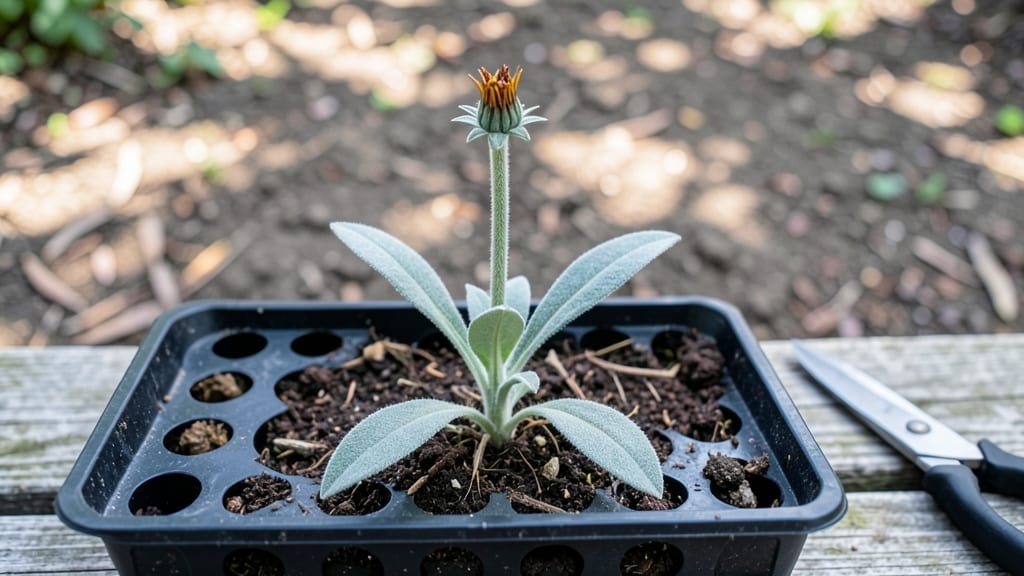
Growing blanket flower seedlings from tiny starts means fiery red-and-yellow blooms by midsummer. 🌻 I’ve grown Gaillardia from seed every year, and the secret to those bold colors starts with how you handle the seedlings—don’t let them get leggy or crowded, or you’ll lose that showy punch.
The first step is simple: give them bright light right from the start, whether under grow lights or in a sunny window. My seedlings double in size within two weeks when they get 12+ hours of light daily.
Use a lightweight potting mix—blanket flowers hate soggy roots—and keep the soil barely damp, not soaked.
By the time they’re ready to transplant, you’ll have sturdy little plants with strong stems and tiny buds forming. The transition to the garden is smooth if you harden them off first—just move them outside for a few hours each day over a week.
Once planted, they’ll spread into those classic daisy-like blooms that keep coming all summer.
Even in hot, dry climates, blanket flowers thrive with almost no care. The key is spacing them 12–18 inches apart so they get airflow and room to grow.
No fussy deadheading needed—they self-clean as they fade, and deer usually leave them alone. Here’s how to keep them happy from seed to sunset.
📚 In This Guide
- What you need
- Instructions
- Tips and common mistakes
- Wrapping up and next steps
What you need
- ● Blanket flower seeds: Choose heirloom or hybrid varieties (e.g., 'Arizona Sun,' 'Mesa Red'). Buy 1–2 packets (typically 50–100 seeds) for a small patch.
- ● Seed-starting mix: A lightweight, sterile potting mix (e.g., Pro-Mix or coconut coir blend). Avoid garden soil—it’s too dense!
- ● Containers: Small seed trays or biodegradable pots (2–3 inches deep) for seedlings.
- ○ Optional: Peat pots for transplanting later.
- ● Grow lights or sunny windowsill: Blanket flowers need 6–8 hours of light daily. A LED grow light works if natural light is limited.
- ● Spray bottle: For gentle watering (avoid soaking seeds!).
- ○ Heat mat (optional): Speeds germination if temps dip below 60°F (15°C).
- ● Fertilizer: A balanced, water-soluble option (e.g., 10-10-10) diluted to half-strength after sprouts emerge.
- ● Tweezers or small shovel: For careful seed placement.
- ○ Garden twine & stakes (optional): If growing tall varieties, support may be needed later.
- ● Warmth: Ideal germination temp: 65–75°F (18–24°C). Avoid cold drafts!
- ● Patience: Seeds sprout in 7–21 days—stay consistent with care.
- ● Outdoor space (later): Blanket flowers thrive in full sun (6+ hours) and well-draining soil.
How to grow vibrant blanket flower seedlings
Turn those tiny seeds into bold, sun-loving blooms with these simple steps.
🌱 Step 1: Prepare the Perfect Germination Mix
Fill your seed trays with the 2 gallons of seed-starting mix—this lightweight, sterile blend is key for preventing damping-off and encouraging strong roots. I like to press it down gently with my fingers until it's firm but not compacted. The goal is to create a fine, even surface where seeds can make good contact with the soil.
Moisten the mix thoroughly with 1 cup of warm water, letting it soak in completely. You'll know it's ready when water runs out the bottom drainage holes but doesn't pool. This ensures your blanket flower seeds stay hydrated without becoming waterlogged, which can rot them before they even sprout.
🌱 Step 2: Plant Seeds at the Right Depth
Sprinkle 10 blanket flower seeds across the tray surface, spacing them about ½ inch apart. Press each seed lightly into the soil with your fingertip—just enough so it's covered with ¼ inch of mix. Blanket flower seeds need this light coverage to germinate properly, but don't bury them too deep or they'll struggle to reach the surface.
After planting, mist the entire tray with a spray bottle until the soil looks evenly damp. I like to work in small sections to avoid disturbing the seeds. Place the tray in a warm spot—70-75°F is ideal—where it can stay consistently moist until germination begins, which usually takes 7-14 days.
☀️ Step 3: Provide Gentle Light for Early Growth
Once the first true leaves appear—those are the second set after the initial seed leaves—move your seedlings to a bright, indirect light source. A south-facing window works well, but if your space is dim, supplement with a grow light kept 4-6 inches above the plants. You'll notice the seedlings grow sturdier and darker green when they get enough light.
At this stage, I avoid direct sunlight to prevent scorching the tender new leaves. Watch for leggy growth—when stems stretch too tall and thin—this means your seedlings need more light. If you see this, either move them closer to the light or increase the grow light's intensity.
🌿 Step 4: Thin and Harden Off Seedlings
When seedlings reach 2 inches tall and have 3-4 true leaves, it's time to thin them. Use small scissors to snip the weaker seedlings at soil level, leaving only the strongest 4 plants in the tray. This prevents overcrowding and gives each plant room to develop a strong root system.
Start hardening off your blanket flower seedlings 2 weeks before your last frost date. Begin by placing them outside in a shaded area for 1-2 hours the first day, then gradually increase their time outdoors over 7-10 days. You'll know they're ready for the garden when they can handle 6+ hours of direct sun without wilting.
🪴 Step 5: Transplant to the Garden
Choose a sunny spot in your garden that gets full sun—blanket flowers thrive with 6-8 hours of direct sunlight daily. Dig small holes about 12 inches apart to give each plant plenty of room to spread. Gently remove the seedlings from the tray, keeping the root ball intact, and place them in the holes at the same depth they were growing in the tray.
Water deeply after transplanting to help the soil settle around the roots. Mulch with 1 inch of organic mulch to retain moisture and suppress weeds. Your blanket flower seedlings will establish quickly in warm soil—65°F or above—and you'll see vibrant blooms by mid-summer if all goes well.
Tips & tricks for perfect blanket flower seedlings
Here's what I learned after nurturing dozens of these bright blooms from seed—these small details make all the difference between healthy starts and struggling seedlings.
Germination Mix Consistency: The 2 gallons of seed-starting mix should feel like damp sandpaper—not too wet, not too dry. I find pressing it down gently with a flat tool (like a butter knife) creates better seed-to-soil contact than just using my fingers. This prevents those frustrating cases where seeds sprout but then topple over from poor support.
Seed Depth Secret: That ¼-inch coverage might seem shallow, but blanket flower seeds need this precise depth to germinate. Any deeper and they'll struggle to reach the surface, while too shallow means they may dry out. I use a toothpick to create tiny divots for each seed, then gently press the mix over them—this keeps the spacing consistent without disturbing nearby seeds.
Temperature Control: Maintaining that 70-75°F range is crucial, but don't worry if your home runs cooler. I place seed trays on top of my fridge (not inside) to create a warm microclimate. If your space is consistently below 70°F, consider using a seedling heat mat—just be careful not to exceed 80°F, which can cause uneven germination.
Light Transition Strategy: When moving seedlings to bright indirect light in Step 3, I recommend rotating the tray ¼ turn daily. This prevents seedlings from leaning toward one light source, creating more compact, sturdy plants. You'll notice the difference in just a few days—they'll grow more evenly and develop stronger stems.
Pro Tips for Blanket Flower Seedling
- Here's what I learned after nurturing dozens of these bright blooms from seed—these small details make all the difference between healthy starts and struggling seedlings.
- Germination Mix Consistency: The 2 gallons of seed-starting mix should feel like damp sandpaper—not too wet, not too dry.
- Seed Depth Secret: That ¼-inch coverage might seem shallow, but blanket flower seeds need this precise depth to germinate.
Frequently asked questions
Got questions about growing blanket flower seedlings? You’re not alone—these vibrant plants are easy to love but sometimes tricky to master! Here are answers to the most common queries to help you nurture healthy, blooming seedlings from the start.
How long does it take for blanket flower seedlings to germinate?
Blanket flower seeds typically sprout within 10–21 days under ideal conditions (warm soil, 70–75°F, and consistent moisture). If your seedlings don’t emerge after 3 weeks, gently check for mold or rot—sometimes they need a little coaxing with a warm, humid environment.
When is the best time to plant blanket flower seedlings outdoors?
Wait until after the last frost when soil temperatures reach at least 60°F (usually late spring or early summer). Hardening off seedlings for 7–10 days beforehand helps them adjust to outdoor conditions. Pro tip: Plant in full sun for the boldest blooms!
Why are my blanket flower seedlings wilting or turning yellow?
Wilting often signals overwatering or poor drainage, while yellowing leaves may mean root rot or nutrient deficiency. Ensure pots have drainage holes and water only when the top inch of soil feels dry. If roots look mushy, repot in fresh, well-draining soil to revive them.
Can I grow blanket flowers from seeds indoors, or should I buy seedlings?
Both work! Starting from seeds indoors (6–8 weeks before last frost) gives you more variety, but seedlings save time. If sowing indoors, use a seed-starting mix and keep lights 2–3 inches above the tray. For beginners, buying healthy seedlings is a great shortcut!
How do I encourage more blooms on my blanket flower seedlings?
Deadhead spent flowers regularly to promote continuous blooming. Use a balanced fertilizer (like 10-10-10) every 4–6 weeks during the growing season. Prune leggy stems to encourage bushier growth—just snip above a leaf node. Bonus: They thrive in poor soil, so don’t overcomplicate it!
Still stumped? Drop your question in the comments—we’re happy to help your blanket flower seedlings thrive!
Wrapping up and next steps
Growing blanket flower seedlings is a rewarding journey that transforms tiny starts into vibrant bursts of color for your garden! 🌸 With the right soil, sunlight, and care, you’ll soon enjoy their cheerful blooms—perfect for borders, containers, or pollinator-friendly spaces.
Whether you’re a seasoned gardener or just starting out, these hardy plants are a fantastic (and low-maintenance) way to add drama to any landscape.
Ready to turn those seedlings into a stunning display? Take the next step—plant them in your garden this spring or share your tips with fellow plant lovers! 🌱 Your future garden will thank you.