Planting
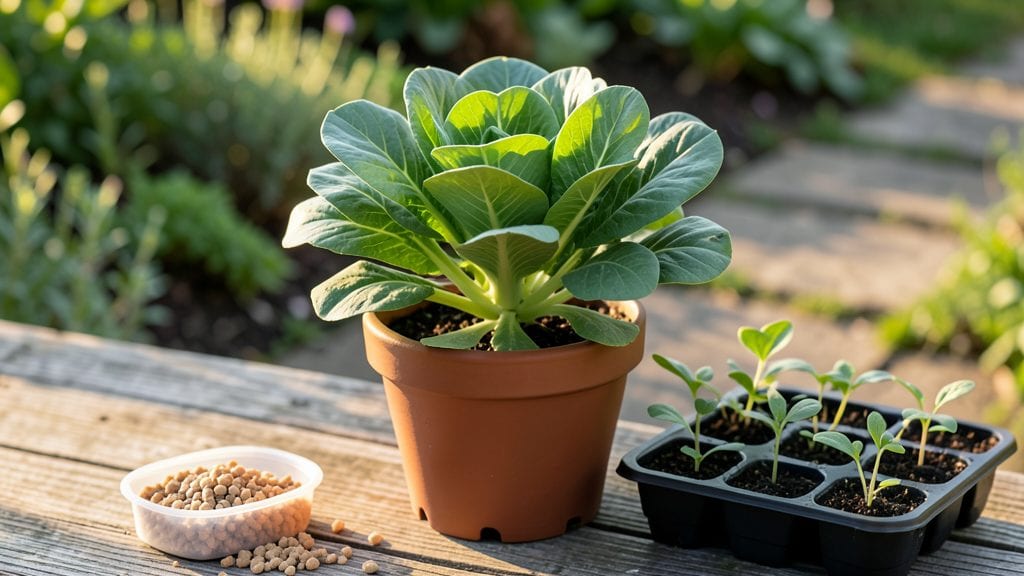
Biological seed coating works by surrounding seeds with living microbes, natural nutrients, and moisture-retaining polymers that create an ideal environment for sprouting. This process strengthens young roots, speeds up germination, and protects against soilborne diseases—all without synthetic additives.
This eco-friendly technique mimics natural soil ecosystems by introducing beneficial bacteria and fungi directly to the seed surface. 🌱 For example, mycorrhizal fungi form symbiotic relationships with plant roots, dramatically improving nutrient absorption, while rhizobacteria suppress harmful pathogens.
The polymer layer acts like a tiny water reservoir, ensuring seeds stay hydrated during critical early growth stages—even in dry conditions. Unlike chemical treatments, these coatings break down harmlessly, leaving no residue in the soil.
What sets biological coatings apart is their crop-specific adaptability. Legumes, for instance, benefit most from coatings rich in nitrogen-fixing bacteria, while cereals often need phosphorus-boosting microbes.
Home gardeners can even create simple versions using compost tea or beneficial microbial spore mixes, though commercial formulations offer more precise microbial blends tailored to specific growing challenges.
💡 In This Article
- How Biological Seed Coatings Work at a Microbial Level
- Choosing the Right Biological Coating for Your Plants
How biological seed coatings work at a microbial level
The magic of biological seed coatings happens at the microscopic level, where a carefully curated community of microbes and polymers creates an invisible shield around each seed.
At its core, these coatings introduce rhizobacteria like Bacillus subtilis and Pseudomonas fluorescens, which outcompete harmful soil pathogens while producing growth hormones like auxins that stimulate root elongation.
Mycorrhizal fungi, particularly Glomus species, form intricate networks around emerging roots, increasing surface area for nutrient absorption by up to 70% compared to uncoated seeds. This microbial partnership is what transforms a struggling seedling into a robust plant within days.
Moisture regulation is where the polymer component shines—these biodegradable films, often made from chitosan or alginate, create a semi-permeable membrane that maintains 90-95% humidity around the seed for the first 72 hours, critical for breaking dormancy.
The polymers also control oxygen diffusion, preventing suffocation while allowing enough gas exchange for respiration. For example, a 1mm-thick coating can extend hydration by 3-5 days in dry soils, giving seeds a head start before natural rainfall occurs.
This dual action explains why coated seeds often germinate 2-3 times faster than untreated ones in challenging conditions.
The pathogen-blocking mechanism works through a clever biological arms race. Coatings contain antagonistic microbes that produce antibiotics like 2,4-diacetylphloroglucinol, which inhibit fungal pathogens such as Fusarium and Pythium—common culprits behind seed rot.
Studies show these coatings can reduce damping-off disease by up to 85% while simultaneously boosting beneficial microbial populations. The polymer layer also acts as a physical barrier, preventing soilborne pathogens from making direct contact with the seed surface.
This dual defense system is particularly valuable in organic farming, where chemical fungicides are prohibited.
What's fascinating is how these coatings create a microbiome hotspot right at the seed-soil interface. The introduced microbes don't just passively coexist—they actively communicate with the plant through chemical signals.
For instance, Azospirillum bacteria trigger the plant to produce more root hairs, while Trichoderma fungi prime the plant's immune system to recognize and fend off future attacks. This microbial conversation continues as the plant grows, creating a self-sustaining ecosystem that improves with each generation. The result?
Plants develop stronger root systems that can access nutrients 3-4 inches deeper in the soil than uncoated counterparts.
Consider the case of corn seeds coated with Bacillus amyloliquefaciens. Field trials show these seeds achieve 20% higher emergence rates and 15% greater yield due to enhanced nitrogen fixation and disease suppression. The microbial community doesn't just help—it becomes an extension of the plant's own biological machinery.
Even more impressive is how these coatings adapt to different soil types. In sandy soils where nutrients leach away quickly, phosphorus-solubilizing bacteria become the stars, while in clay soils, water-retention polymers take center stage to prevent waterlogging stress.
The beauty of this system lies in its precision engineering at the microbial level. Each coating is essentially a living fertilizer factory that works in harmony with the plant's natural development.
Unlike synthetic treatments that provide temporary chemical solutions, biological coatings create lasting improvements to soil health by establishing beneficial microbial populations that persist for seasons.
This is why organic farmers and sustainability-focused growers consider them one of the most powerful tools in modern agriculture—because they don't just help plants grow, they help ecosystems thrive. 🌱