Vegetables
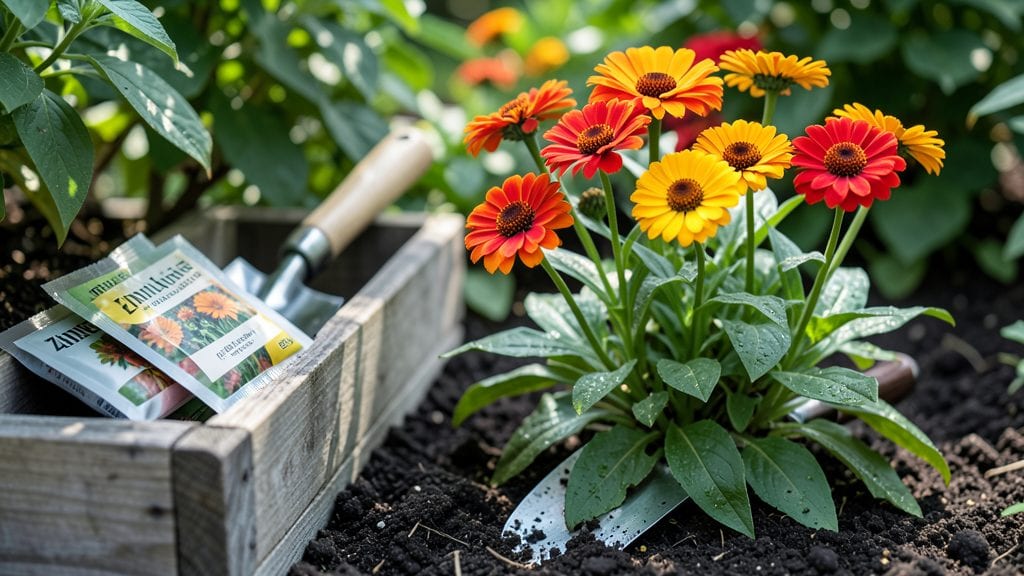
Annual seeds meaning explains plants that grow, flower, and produce seeds in just one season before dying off. These fast-growing varieties let gardeners refresh their plots yearly with minimal effort, delivering quick results for flowers, veggies, or herbs.
Annual seeds thrive because they devote all their energy to rapid reproduction rather than storing resources for future years. 🌱 Unlike perennials that regrow annually, these plants focus on flowering and seeding within weeks or months, making them perfect for seasonal gardens where you want instant color or harvests.
Many popular garden favorites—like zinnias, sunflowers, and tomatoes—fall into this category, offering both beauty and productivity in a single season.
What makes them especially valuable is their ability to deliver high yields in a short timeframe. For example, fast-maturing varieties like radishes or bush beans can be harvested just 30-60 days after planting, while flowers like marigolds provide vibrant blooms within 45-60 days.
This quick turnaround lets gardeners experiment with different varieties each year without long-term commitments.
💡 In This Article
- How Annual Seed Plants Differ From Perennials and Biennials
- Best Annual Seeds for Gardens: Flowers, Vegetables, and Herbs
How annual seed plants differ from perennials and biennials
The key difference between annuals, perennials, and biennials lies in their life cycles and energy allocation strategies. Annual plants like marigolds or bush beans focus all their energy on rapid growth, flowering, and seed production within a single 60-120 day window.
This "live fast, die young" approach allows them to dominate seasonal gardens where they can quickly establish themselves before the first frost. Their roots typically stay shallow (often 12-24 inches deep) since they don't need to store energy for future years.
Perennials, on the other hand, like asparagus or lavender, invest heavily in underground storage structures—roots, rhizomes, or tubers—that can survive winter and regrow each spring.
This energy allocation means their above-ground growth is slower initially, but they can live for 5-10+ years, producing flowers or harvests annually without replanting. The trade-off? Their first year often yields little, as they prioritize building root systems over immediate reproduction.
Biennials like carrots or onions take a middle path, spending their first year building energy reserves in roots or bulbs, then flowering and seeding in their second year.
This two-phase strategy explains why biennials often have taller, leafier first-year growth compared to annuals, as they're preparing for their reproductive phase rather than immediately producing flowers. The energy storage mechanism involves converting sugars into starches in root tissues, creating the crisp texture we enjoy in vegetables like celery.
What makes annuals so dominant in seasonal gardens is their ability to complete their entire reproductive cycle before resources become scarce.
For example, sunflowers can grow from seed to 12-foot stalks with 10-inch blooms in just 90 days, while perennials like peonies might take 3-5 years to reach their full flowering potential.
This rapid development is possible because annuals don't waste energy maintaining perennial structures—they put everything into one explosive growth spurt.
The scientific mechanism behind this involves plant hormones. Annuals produce higher levels of ethylene (a ripening hormone) earlier in their life cycle to trigger flowering, while perennials rely on abscisic acid to regulate dormancy.
This hormonal difference explains why you can often see annuals flowering within 4-8 weeks of germination, while perennials might take months to show their first blooms. The trade-off creates distinct gardening strategies—annuals for instant gratification, perennials for long-term beauty.
Consider this comparison of growth strategies:
- Annuals: 60-120 days to complete life cycle, shallow roots, high seed production focus
- Biennials: 2 years to complete cycle, energy storage in first year, moderate seed production
- Perennials: 3-10+ years lifespan, deep roots, gradual energy accumulation
This biological diversity explains why gardeners might choose annuals for quick color (zinnias in 6 weeks), biennials for storage crops (beets for winter), or perennials for low-maintenance landscapes (coneflowers returning yearly). The choice depends entirely on your gardening goals and timeline. 🌿