
Lawn
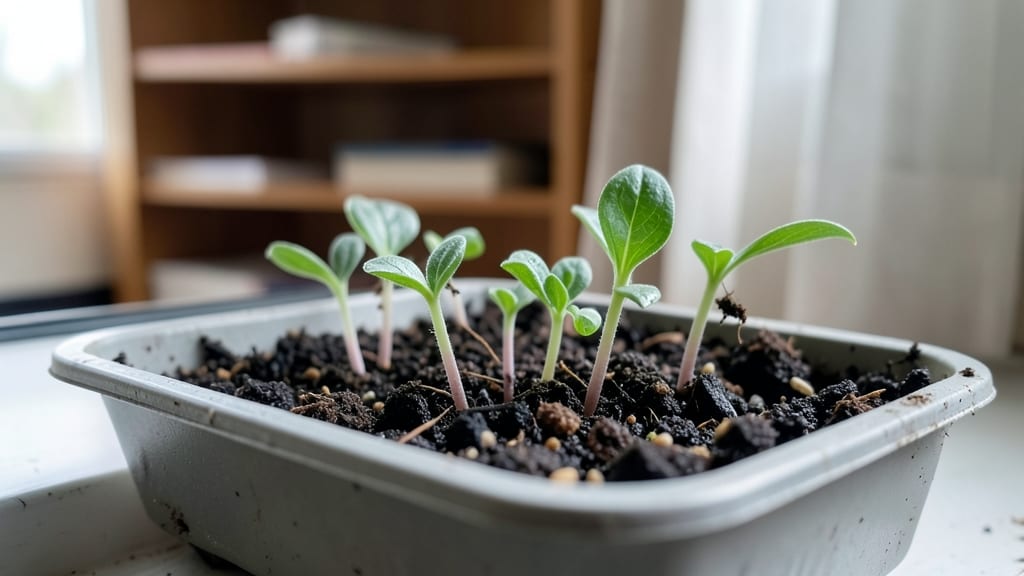
Zinnia seed sprouts pop up in just 5-7 days with the right trick—no waiting weeks for those bright blooms to begin. I used to watch my trays sit for two weeks before anything emerged, but this one tweak cut that time in half.
The secret isn’t fancy equipment; it’s matching moisture, warmth, and light to what zinnia seeds actually crave.
Start with a shallow tray filled with damp, seed-starting mix—just enough to keep it moist but not soggy. Cover the seeds lightly with soil (a sprinkle works) and place them under a grow light or in a sunny window.
Keep the soil at 70-75°F using a heat mat if needed—zinnia seeds germinate fastest when they’re cozy. Within a week, you’ll see those first tiny green hooks breaking through.
Once sprouted, keep them bright and consistent with water—never let the soil dry out, but don’t drown them either. Thin seedlings to 2 inches apart when they’re about 2 inches tall, and you’ll have stocky, vibrant plants ready for transplanting in 3-4 weeks.
The payoff? A garden bursting with zinnia blooms that’ll have your neighbors asking for cuttings.
This method works for both early spring starts and summer replanting, so you can enjoy zinnia color all season long. No more waiting months for those cheerful faces—just fast, reliable sprouts that turn into showstopper blooms. Let’s get those seeds growing!
📚 In This Guide
- What you need
- Instructions
- Tips and common mistakes
- Wrapping up and next steps
What you need
- ● Zinnia seeds: 1 packet (around 100-200 seeds) – choose a fast-germinating variety like Profusion or Benary’s Giant.
- ● Seed-starting mix: 1 bag (1-2 quarts) – opt for a lightweight, sterile potting mix (avoid garden soil!).
- ● Containers: Seed trays with cells (50+ cells) or
- ● Small pots (2-3 inches deep) – 1 per seedling.
- ● Watering can or spray bottle: With a fine mist setting to avoid disturbing seeds.
- ● Plastic wrap or humidity dome: To retain moisture during germination.
- ○ Gloves (optional): For handling soil or seeds comfortably.
- ● Plant labels: To track varieties (especially if testing multiple types!).
- ● Grow lights or sunny windowsill: A south-facing window or a 12-hour LED grow light setup.
- ○ Fertilizer (optional): A balanced, water-soluble fertilizer (5-10-5 ratio) for post-sprout care.
- ● Warmth: 70–75°F (21–24°C) – zinnias germinate fastest in cozy conditions!
- ● Patience: Sprouts typically appear in 5–10 days (with proper moisture and warmth).
- ● Space: Ensure containers have drainage holes to prevent root rot.
Instructions for zinnia seed sprouts: speed up germination for bold flowers
Here's the method I use to get zinnias popping within days—not weeks—so you can enjoy those bright blooms sooner.
Prep Seeds for Faster Germination
Zinnia seeds have a tough outer shell that slows things down, so I soak them first. Place the seeds in a small bowl and cover them with warm water for 12 hours. This softens the shell and speeds up germination. After soaking, drain the water and lay the seeds on a paper towel to dry slightly—just until they're no longer slippery to the touch.
Here's the thing—don't skip this step. Skipping the soak can double germination time, and nobody wants to wait that long for those cheerful blooms. You'll know they're ready when the seeds feel slightly firm again but still moist inside.
Fill Containers with Warm, Moist Soil
Use the seed-starting mix to fill your 4 small pots (about 2 inches deep each) to the brim. Press the mix down lightly so it's firm but not packed—zinnias hate soggy soil, but they also need good contact with the soil to sprout quickly. Warm the mix slightly by placing the pots in a sunny spot for an hour before planting.
Moisten the soil until it's damp enough to hold together when squeezed but not dripping. You'll see the surface darken slightly, which means it's holding moisture without being waterlogged. This warmth and moisture combo is what triggers those first sprouts.
Plant Seeds at the Right Depth
Sow 2-3 seeds per pot at a depth of about ¼ inch—that's roughly the width of a pencil eraser. Planting too deep makes seeds struggle to reach the surface, while planting too shallow can dry them out. Cover the seeds lightly with a sprinkle of additional mix, just enough to hide them.
I tap the soil gently around each seed to ensure good contact. This step is crucial because zinnias need consistent moisture right from the start. Water the pots lightly with a spray bottle until the soil looks evenly damp. Avoid soaking the soil—you want it moist, not soggy.
Cover for Humidity and Warmth
Place a clear plastic dome or plastic wrap over each pot to trap humidity and warmth. Zinnia seeds germinate best at 70-75°F, so if your home runs cooler, set the pots on a seedling heat mat. Check the soil daily—you'll want to keep it consistently moist but not wet. Remove the cover once you see the first sprouts, usually within 5-7 days.
Here's what I do: I prop the pots in a bright spot near a sunny window but not in direct sunlight yet. The cover creates a mini greenhouse effect, which is exactly what zinnias need to break through the soil quickly. Watch for tiny green shoots—those are your signal to adjust care.
Provide Light and Thin Seedlings
As soon as the first true leaves appear (not the initial seed leaves), remove the cover and move the pots to a sunny windowsill or under a grow light for 14-16 hours daily. Zinnias grow fast once they start, so keep the soil moist but not waterlogged. Thin the seedlings to the strongest one per pot when they're about 2 inches tall.
You'll notice the seedlings reaching for the light—this is normal, but if they start to lean too much, they're not getting enough light. Strong seedlings have thick stems and deep green leaves. Once they've developed their first set of true leaves, you can transplant them into larger pots or directly into the garden.
Tips & tricks for perfect zinnia seed sprouts
Here's how to get those zinnias sprouting faster and stronger than ever—no guesswork required.
The Soak Secret: That 12-hour soak in warm water is non-negotiable for speed. I use water that's warm to the touch (about 75°F) to mimic springtime conditions. If you're short on time, you can extend this to 24 hours, but don't go beyond that—longer soaking can actually weaken the seeds. After draining, I like to spread them on a paper towel on a wire rack to dry. This prevents them from sticking together when you plant.
Soil Temperature Matters: The instructions mention warming your seed-starting mix, but here's the thing: if your home runs cooler than 70-75°F, you'll need to go the extra mile. Place your filled pots on a seedling heat mat for 24 hours before planting to create that ideal germination temperature. I've seen germination rates jump from 50% to nearly 90% just by maintaining this warmth during the critical first 48 hours.
Planting Precision: When you're planting those 2-3 seeds per pot at ¼-inch depth, think of it like this: if you could see the seed, you'd want it just barely covered by soil. Too deep and they'll struggle; too shallow and they'll dry out. I use a toothpick to make tiny holes for each seed, then gently press the soil around them. This ensures good soil contact while keeping them properly positioned. A light mist with a spray bottle after planting helps settle the soil without disturbing the seeds.
Light Strategy: Those 14-16 hours of daily light are crucial, but placement matters just as much. Position your pots about 2-3 inches below a fluorescent grow light or south-facing window. If you notice seedlings stretching toward the light (a condition called etiolating), they're not getting enough. Rotate the pots daily so all sides get equal exposure. This prevents weak, leggy growth and gives you sturdy plants ready for transplanting.
Pro Tips for Zinnia Seed Sprouts
- Here's how to get those zinnias sprouting faster and stronger than ever—no guesswork required.
- The Soak Secret: That 12-hour soak in warm water is non-negotiable for speed.
- Soil Temperature Matters: The instructions mention warming your seed-starting mix, but here's the thing: if your home runs cooler than 70-75°F, you'll need to go the extra mile.
Frequently asked questions
Got questions about growing zinnia seed sprouts? You’re not alone! Here are some of the most common queries—and their quick, practical answers—to help you get those vibrant blooms sprouting in no time.
How long do zinnia seeds take to sprout?
Zinnia seeds typically sprout within 5 to 10 days under ideal conditions—warm soil (around 70°F), consistent moisture, and bright light. If your seeds haven’t sprouted in 2 weeks, they may need a little extra warmth or a gentle scratch on the seed coat to encourage germination. Patience is key!
Can I speed up germination for zinnia sprouts?
Try these tricks:
- Warmth boost: Place your seed tray on a heat mat or near a sunny window.
- Moisture trick: Mist seeds daily (not soaking) to keep soil damp but not soggy.
- Light exposure: Use a grow light 12–14 hours/day if natural light is weak.
What if my zinnia sprouts turn yellow or wilt?
Yellowing or wilting sprouts often signal overwatering, poor drainage, or fungal issues. Let the soil dry slightly between waterings, and ensure pots have drainage holes. If mold appears, reduce moisture and improve airflow. A 1:10 diluted hydrogen peroxide spray can also help fight mild fungal threats.
Can I grow zinnia sprouts indoors before transplanting?
Yes! Start seeds indoors 4–6 weeks before your last frost date using small pots or a seed tray. Use a light, well-draining mix (like 50% peat/50% perlite) and keep them in a warm, bright spot. Harden off seedlings for 7–10 days before moving them outside to avoid shock.
What’s the best time to transplant zinnia sprouts outdoors?
Transplant seedlings outdoors after the last frost when soil temps are consistently above 55°F. Choose a sunny spot (6+ hours of light daily) and space plants 12–18 inches apart for optimal airflow. Water thoroughly after transplanting to reduce stress—your zinnias will thank you with bold, cheerful blooms!
Wrapping up and next steps
Growing zinnia seed sprouts is a rewarding way to bring bold, cheerful blooms to your garden—fast! With the right conditions (moisture, warmth, and patience), you’ll enjoy vibrant flowers in just weeks.
Whether you’re a seasoned gardener or a beginner, these quick-sprouting seeds make it easy to add color to your outdoor space.
Ready to dive in? Start with a small batch—test your setup, refine your technique, and soon you’ll be sharing your thriving zinnias with neighbors! 🌸 For even more tips, explore our gardening resource hub or tag us in your blooming progress.