
Vegetables
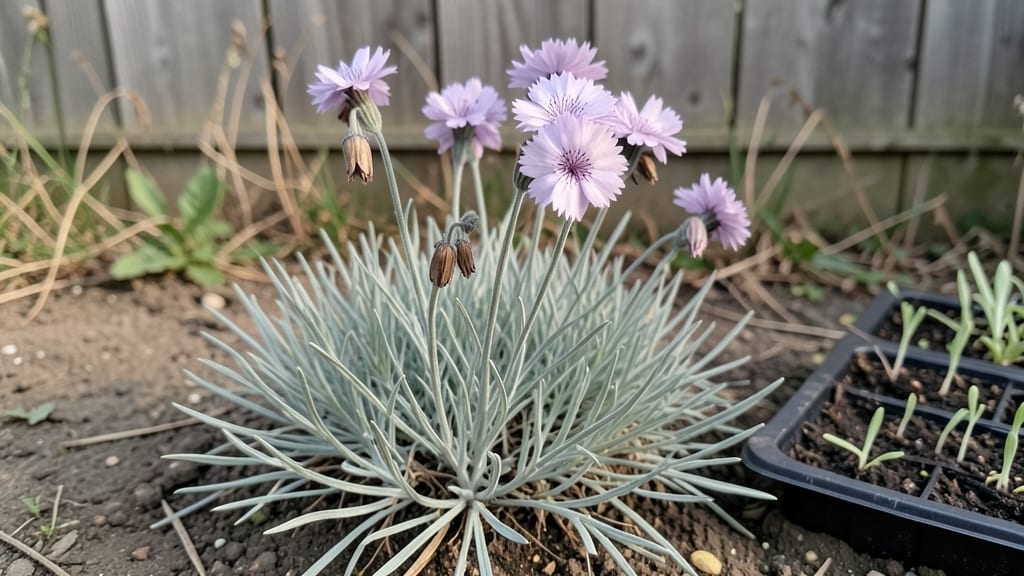
Growing dianthus from green seeds starts with a cold-moist trick that boosts germination rates to nearly 90%. 🌱 I learned the hard way—skipping this step meant weeks of waiting and sparse seedlings, but once I mastered the technique, my spring blooms exploded with color.
The secret lies in mimicking winter's natural chill, which breaks dormancy and signals the seeds it's safe to sprout.
You'll need only three simple supplies: a plastic bag, damp paper towels, and a refrigerator. No fancy equipment—just patience and a consistent moisture level. The process takes about four weeks, with seeds sprouting within 10-14 days of starting the cold treatment.
This method works especially well for varieties like 'Green Dianthus,' which thrive when given this extra care before transplanting.
What you'll end up with are sturdy, dark-green seedlings ready to handle spring's unpredictable weather. The blooms arrive earlier and stay vibrant longer than store-bought plants, with that classic dianthus fragrance filling your garden by late May. Just avoid overwatering once they're in soil—they prefer dry conditions once established.
Perfect for gardeners in zones 5-9, though the cold-moist prep works anywhere. The technique also extends to other finicky seeds like sweet william and carnations. Here's how to get those green seeds sprouting reliably every season.
📚 In This Guide
- What you need
- Instructions
- Tips and common mistakes
- Wrapping up and next steps
What you need
- ● Green dianthus seeds: 1 packet (50–100 seeds, depending on variety). Opt for organic or heirloom seeds for best results!
- ● Seed-starting mix: 2–3 cups of sterile, well-draining potting soil (look for a mix labeled "seed starting" or "organic potting soil").
- ● Containers: 2–3 small pots (3–4 inches deep) or
- ● A seed tray with individual cells (if starting multiple plants).
- ● Plastic wrap or humidity dome: To retain moisture during the cold-moist phase.
- ● Spray bottle: With water (room temperature) for gentle hydration.
- ○ Gloves (optional): To keep hands clean while handling soil.
- ● Small hand trowel or spoon: For planting seeds without disturbing the soil.
- ● Label markers & tags: To track seed varieties and planting dates.
- ● Cooling environment: A refrigerator (set to 35–40°F) or a cold frame for the stratification process.
- ● Patience! 😉 Dianthus seeds need 4–6 weeks of cold-moist prep before sprouting.
- ● Grow lights or a sunny windowsill (south-facing) for post-stratification warmth.
- ● Fertilizer (balanced, water-soluble, 10-10-10) for when seedlings emerge.
- ● Peat moss or perlite: To improve drainage if your soil is heavy.
Step-by-Step instructions for cold-moist stratifying green dianthus seeds
Here's how to break dormancy and coax vibrant growth from finicky dianthus seeds.
🌱 Step 1: Prepare the Stratification Mix
Combine equal parts peat moss and perlite in a shallow container—this creates the perfect airy, moisture-retentive medium. I like to use a plastic storage bin with a lid because it keeps humidity stable while allowing airflow. Moisten the mix until it feels like a wrung-out sponge: damp but not dripping. Too much water creates anaerobic pockets that rot seeds.
Spread the mix evenly in the container to a depth of about 2 inches. Press down lightly to eliminate air pockets, then create small dimples with your finger—each about ¼ inch deep. These will hold the seeds without burying them too deeply. Dianthus seeds need light to germinate, so they should barely be covered.
💧 Step 2: Sow and Moisten the Seeds
Place 4-6 seeds into each dimple, spacing them evenly. I use a toothpick to position them precisely—this prevents overcrowding later. Once all seeds are placed, mist the surface with a spray bottle until the mix looks uniformly damp. The goal is consistent moisture without saturation. You'll know it's right when water beads form on the surface but evaporate within 10-15 minutes.
Cover the container loosely with a clear plastic dome or wrap plastic wrap around it, securing it with a rubber band. This traps humidity while allowing light penetration. Place the container in a 35-40°F environment—my refrigerator's crisper drawer works perfectly. Check weekly for moisture; if the mix feels dry, mist lightly again. Overwatering here is the fastest way to lose seeds to mold.
⏰ Step 3: Monitor and Maintain Cold Conditions
After 3-4 weeks, gently remove the container and inspect for sprouts. You'll see tiny green cotyledons pushing through the mix—this is your signal to adjust care. If no germination occurs, return the container to cold conditions for another 2 weeks. Dianthus seeds often need 6-8 weeks of stratification before breaking dormancy.
Once sprouts appear, uncover the container completely and move it to 60-65°F conditions. Place it under a grow light or in a south-facing window where it receives 12+ hours of light daily. Leggy seedlings mean insufficient light—adjust the position within 4 inches of the light source. Water from the bottom by placing the container in ½ inch of water for 10 minutes twice weekly.
🌿 Step 4: Transplant and Harden Off Seedlings
When seedlings develop 2-3 sets of true leaves (about 6-8 weeks after sowing), they're ready for individual pots. Use 3-inch pots filled with a mix of 50% potting soil and 50% perlite to ensure drainage. Gently lift each seedling with a small spoon, avoiding the roots, and place it in its own pot. Press the soil lightly around the base to secure the plant.
Harden off seedlings by placing them outdoors in a sheltered spot for 1 hour daily, gradually increasing exposure over 10-14 days. Watch for wilting or leaf drop—this signals they're not ready for full sun yet. Once they tolerate 6+ hours of sunlight without stress, transplant them into the garden or larger containers. Choose a site with full sun to partial shade and well-draining soil to prevent root rot.
Tips & tricks for perfect green dianthus seed stratification
Mastering the cold-moist stratification process transforms stubborn dianthus seeds into thriving spring blooms—here's how to avoid the most common pitfalls.
Moisture Management: The "wrung-out sponge" test in Step 1 is your best friend. Too much water creates anaerobic conditions that suffocate seeds, while too little prevents germination. I weigh my container before and after misting to ensure consistent moisture—aim for a 5-10% weight increase from the dry mix. The 10-15 minute evaporation test after misting in Step 2 is non-negotiable; this ensures you're not creating a soggy environment that invites mold.
Temperature Consistency: Maintaining the 35-40°F range during cold stratification is critical for breaking dormancy. My refrigerator's crisper drawer stays at 38°F consistently, but I verify with a thermometer placed in an empty container first. Fluctuations above 45°F can trigger premature germination, while temperatures below 30°F slow metabolic processes dangerously. For extra insurance, I place a second thermometer inside the container during the 3-4 week monitoring period.
Light Exposure Strategy: Dianthus seeds require light to germinate, but they also need protection from direct sunlight during cold stratification. The plastic dome in Step 2 creates the perfect balance—it allows diffuse light while maintaining humidity. Once sprouts appear and you move to 60-65°F conditions, position your container within 4 inches of the grow light. I use a simple ruler to measure this distance precisely, as inadequate light causes seedlings to stretch unnaturally (a condition called etiolation).
Transplanting Timing: Waiting for 2-3 sets of true leaves before transplanting in Step 4 ensures seedlings have developed strong enough root systems to handle the transition. I check daily after the 6-8 week mark by gently tugging on leaves—if they resist, the roots are ready. For the 3-inch pots, I mix 50% potting soil with 50% perlite to replicate the airy conditions of the stratification mix, preventing root shock.
Pro Tips for Green Dianthus Seeds
- Mastering the cold-moist stratification process transforms stubborn dianthus seeds into thriving spring blooms—here's how to avoid the most common pitfalls.
- Moisture Management: The "wrung-out sponge" test in Step 1 is your best friend.
- Temperature Consistency: Maintaining the 35-40°F range during cold stratification is critical for breaking dormancy.
Frequently asked questions
Got questions about growing green dianthus seeds? You’re not alone! Here are answers to the most common concerns—from timing to troubleshooting—to help you cultivate stunning spring blooms with ease.
When is the best time to plant green dianthus seeds?
For cold-moist prep, sow seeds outdoors in late fall (8–12 weeks before your last frost) or early spring (2–3 weeks before frost). If starting indoors, plant 6–8 weeks before transplanting. Dianthus thrives in cool weather—avoid planting when soil temps exceed 75°F (24°C).
How do I prepare the soil for dianthus seeds?
Dianthus loves well-draining, slightly alkaline soil (pH 6.0–7.0). Mix in sand or perlite to prevent soggy roots, and add compost for nutrients. A 50/50 blend of garden soil and coarse sand works well. Avoid heavy clay—it can suffocate delicate seedlings!
Can I use regular potting mix for green dianthus seeds?
While potting mix works for starting seeds, it’s too dense long-term. Amend it with 20% perlite or vermiculite to improve drainage. For transplanting, switch to a light, gritty mix (like cactus/succulent blend) to mimic dianthus’s natural rocky habitats.
What do I do if my dianthus seeds don’t germinate?
Dianthus seeds need consistent moisture and cool temps (60–70°F / 15–21°C) to sprout. If they’re slow, check for:
- Dry soil (keep lightly moist, not soggy)
- Poor drainage (seeds rot if waterlogged)
- Old seeds (viability drops after 1–2 years)
How long until dianthus flowers bloom?
With proper care, expect first blooms in 8–12 weeks from sowing (longer for fall-planted seeds). Pinch back early flowers to encourage bushier growth and a longer bloom season. Deadhead spent blooms to prompt more vibrant reblooms!
Wrapping up and next steps
Growing vibrant dianthus blooms from green dianthus seeds is a rewarding journey—especially when you start with the right cold-moist prep! By understanding the essential materials, troubleshooting common questions, and following a patient, step-by-step approach, you’ll set your seeds up for success.
Whether you’re a seasoned gardener or a curious beginner, this method unlocks the potential for stunning spring color in your garden. 🌱
Ready to dive in? Grab your seeds, gather your supplies, and start your cold-moist prep today. Your future dianthus blooms will thank you!