
Propagation
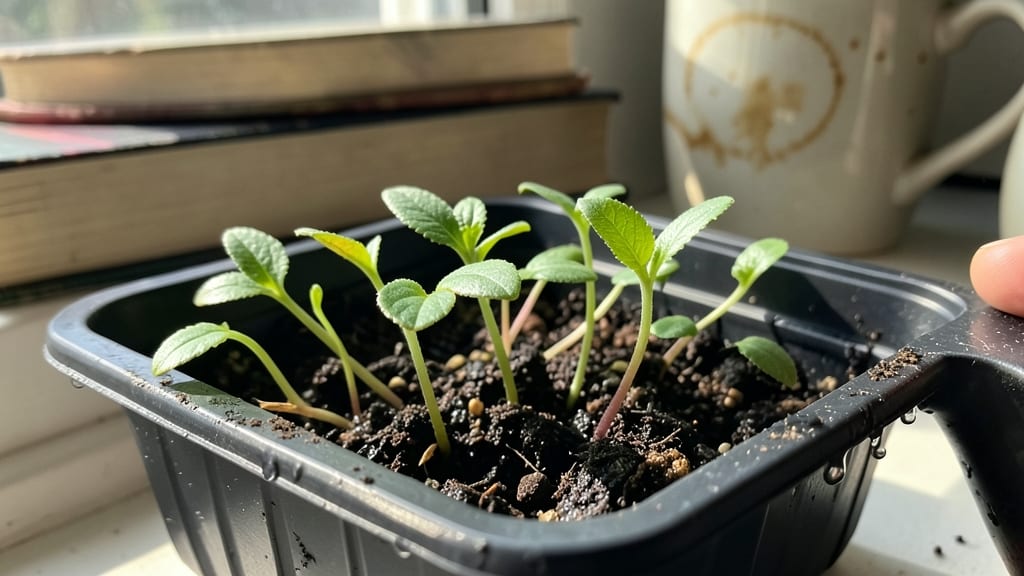
Why aren’t my seeds sprouting?
That stubborn silence in your seed tray could be a sign of one of these 7 common germination mistakes—easier to fix than you think once you spot them. 🌱 I’ve buried more seeds than I’d like to admit, and these are the exact issues that finally got my seedlings popping.
The culprits? Too-deep planting, dry soil, or temperatures that were too cold or hot. Even the freshest seeds need the right conditions to wake up—think of them like hibernating bears that refuse to stir without the right cues.
A quick check of your setup could mean the difference between a blank tray and a jungle of tiny greens.
You’ll learn how to test seed viability, adjust planting depth, and create the perfect moisture-and-temperature combo. Within days, you’ll see those first shy little sprouts breaking through—proof that the right tweaks make all the difference. Let’s get those seeds growing!
Works for any seed type, from finicky herbs to hardy vegetables. The same rules apply whether you’re growing in trays, peat pots, or straight into the ground. Here’s how to bring them back to life.
Hidden Reasons Your Seeds Refuse to Wake Up
Seeds are tiny powerhouses of potential, but even the hardiest ones need the right conditions to break dormancy and sprout. If you’ve planted seeds only to stare at empty soil for weeks, don’t blame bad luck—there’s usually a clear, fixable reason.
Below, we break down the most common causes of failed germination, backed by science, so you can troubleshoot like a pro.
Seeds have an optimal temperature range for germination, and straying from it—whether too hot or too cold—can stall or kill the process. Most seeds germinate best between 65°F and 80°F (18°C–27°C), but some (like peas or beans) prefer cooler soils (50°F–65°F / 10°C–18°C).
Others, such as peppers or tomatoes, need warmth (75°F–90°F / 24°C–32°C).
Why it happens:
- Too cold: Low temperatures slow metabolic activity, preventing enzymes from breaking down stored nutrients (like starches into sugars) that fuel the seedling’s first growth spurt. Some seeds enter secondary dormancy, waiting for warmer conditions.
- Too hot: Excessive heat can denature enzymes or cause the seed to dry out too quickly, especially if humidity is low. Heat-loving seeds (like okra) may rot instead of sprouting if the soil is above 95°F (35°C).
- Inconsistent temps: Fluctuations (e.g., daytime heat followed by cold nights) confuse the seed, delaying germination or causing weak, leggy seedlings.
Actionable fix:
- Use a seedling heat mat (70°F–80°F / 21°C–27°C) for warm-season crops.
- For cool-season seeds, keep soil temps stable with row covers or a cold frame.
- Check your seed packet—it lists ideal temps! If unsure, test soil temperature with a thermometer (insert it 1 inch deep).
Water is the spark that triggers germination, but too little or too much can snuff it out. Seeds need consistent moisture—not soggy, not bone-dry—to activate enzymes and soften the seed coat.
Why it happens:
- Underwatering: Seeds dry out before germination begins. Many seeds (like lettuce or carrots) need 80–90% humidity to sprout. Without it, the seed’s radicle (root) can’t emerge, and the embryo desiccates.
- Overwatering: Excess water depletes oxygen in the soil, suffocating the seed. Anaerobic conditions (low O₂) trigger ethanol production, which is toxic to the seedling. Fungal growth (like Pythium) can also rot seeds before they sprout.
- Inconsistent moisture: Alternating dry and wet spells stress the seed, causing it to abort germination or produce weak, stunted sprouts.
Actionable fix:
- Bottom-water seeds: Place trays in a shallow dish of water (1–2 inches deep) for 10–15 minutes, then drain excess. This keeps moisture even without over-saturating.
- Use a spray bottle for fine seeds (like herbs) to avoid disturbing them.
- Cover containers with plastic wrap or a humidity dome to retain moisture (remove once sprouts appear).
- Avoid letting soil dry out completely—seeds can’t recover if they’re crispy!
Even the best seeds have a shelf life. If they’re old, damaged, or stored improperly, they may fail to germinate—or germinate poorly.
Why it happens:
- Expired seeds: Most seeds retain viability for 1–5 years, depending on the type. For example:
- Tomatoes: 4–6 years
- Peppers: 2–4 years
- Onions: 1–2 years
- Carrots: 2–3 years
- Improper storage: Seeds stored in humid, warm, or light-exposed conditions (like a pantry) can mold, rot, or lose viability faster. Ideal storage is cool (32°F–41°F / 0°C–5°C), dry (<10% moisture), and dark.
- Physical damage: Cracked, crushed, or insect-chewed seeds won’t germinate. Even light exposure (for light-sensitive seeds like lettuce) can trigger premature sprouting that dries out before roots form.
Actionable fix:
- Test viability: Soak 10 seeds in water overnight. Healthy seeds will plump up; shriveled or floating ones are dead.
- Buy fresh seeds (from the current or previous year) for best results.
- Store seeds in airtight, opaque containers with a desiccant packet in the fridge or freezer.
- If seeds are old but you’re desperate, try stratification (cold treatment) or scarification (nick the seed coat) to break dormancy.
Some seeds won’t sprout no matter how perfect your conditions—because they’re hardwired to wait. Dormancy is a survival mechanism, and breaking it requires specific triggers.
Why it happens:
- Physical dormancy: A hard seed coat (common in beans, peas, and tomatoes) blocks water absorption. Without scarification (scratching or soaking), the seed can’t hydrate its embryo.
- Chemical dormancy: Some seeds (like apples or cherries) produce inhibitors (e.g., coumarin) that suppress germination until the seed is washed or exposed to light.
- Physiological dormancy: Seeds like delphinium or foxglove need a cold period (stratification) to break down growth inhibitors in the embryo.
- Light requirements: Seeds like lettuce or petunias need light to germinate, while others (like sunflowers) sprout in darkness.
Actionable fix:
- Scarify seeds: Rub between sandpaper, soak in hot water (160°F / 71°C) for 24 hours, or use a knife to nick the coat.
Fix Your Germination Game Now
If your seeds are stubbornly refusing to sprout, don’t toss them just yet! The good news is that most germination issues have simple fixes—you just need to pinpoint the culprit.
Below, we’ve mapped out the most common causes to their solutions, complete with step-by-step actions and prevention tips to ensure your next planting session is a success. Let’s get those seeds popping!
Too much or too little water can suffocate seeds or dry them out before they even wake up. Here’s how to strike the perfect balance:
- 💧 Adjust Your Watering Routine
- Use a spray bottle or fine mist to keep soil consistently moist (not soggy).
- Water gently from the bottom (place trays in shallow water for 10–15 minutes) to avoid displacing seeds.
- Stop watering once the top inch of soil feels damp—overwatering cuts off oxygen.
- 🌡️ Prevent Future Problems
- Use well-draining seed-starting mix (avoid garden soil, which compacts).
- Cover trays with plastic wrap to retain humidity, but remove it daily to check moisture.
- Pro Tip: 💡 If using a self-watering tray, ensure the reservoir isn’t overfilled—root rot is a silent killer.
Seeds need warmth to activate, but extremes (too hot or too cold) can stall germination. Here’s how to dial in the perfect heat:
- 🔥 Set the Right Heat
- Most seeds thrive at 70–85°F (21–29°C). Use a seedling heat mat (70°F) for consistency.
- Place trays on a sunny windowsill (south-facing) or under grow lights (12–16 hours/day).
- Cold-sensitive seeds (like tomatoes or peppers)? Try a DIY heat source—wrap a tray in a towel and place it on top of your fridge (not inside!).
- ❄️ Prevent Chilly Setbacks
- Avoid drafts near AC vents, doors, or windows—temperature swings confuse seeds.
- Pro Tip: 🌡️ If your home runs cold at night, move trays closer to a warm spot (like above the fridge) temporarily.
Seeds need the right environment to break through—too deep, too shallow, or the wrong soil can block their path.
- 🕳️ Check Planting Depth
- Rule of thumb: Plant seeds 2–3 times as deep as they are wide (e.g., a ½-inch seed goes 1 inch deep).
- Exception: Tiny seeds (like lettuce or carrots) should sit just below the soil surface—press lightly or use a spray bottle to cover.
- 🏗️ Upgrade Your Growing Medium
- Avoid garden soil—it’s too dense. Use a sterile seed-starting mix (or blend coconut coir + perlite).
- Pro Tip: ✨ For stubborn seeds, soak them overnight in warm water before planting to soften the shell.
Some seeds take weeks to sprout—don’t dig them up too soon!
- 📅 Know Your Seed’s Timeline
- Fast sprouters (radishes, beans): 3–7 days.
- Slowpokes (roses, some herbs): 2–4 weeks.
- Check the seed packet for exact germination times.
- 🔍 When to Worry (and When to Wait)
- If no sprouts in 3–4 weeks (for fast seeds) or double the packet time (for slow seeds), they may be dead.
- Pro Tip: 💡 Test a few seeds by sandwiching them between damp paper towels in a sealed bag. If they don’t sprout in 7–10 days, try new seeds.
Mold, rot, or tiny invaders can sabotage seeds before they even emerge.
- 🦠 Spot and Stop Fungal Issues
- Signs: White fuzz (mold), black spots, or a sour smell.
- Fix: Remove affected seeds/soil, replant in fresh mix, and water less frequently.
- Prevent: 🌡️ Sprinkle cinnamon or diatomaceous earth on soil to deter fungus.
- 🐜 Deal with Pests
- Aphids or fungus gnats? Wipe leaves with soapy water or use neem oil spray.
- Prevent: 🎯 Keep trays clean and avoid overwatering to discourage pests.
Seeds need light to grow, but not too much too soon—here’s how to balance it:
- 💡 Adjust Light Exposure
- First 7–14 days: Keep seeds in low, indirect light (they don’t need it yet).
- After sprouting: Move to bright light (grow lights or sunny window).
- Warning: 🚨 Avoid placing seedlings in direct hot sun—they’ll scorch.
- 🌿 Prevent Leggy Seedlings
- If stems stretch tall and weak, they’re light-starved.
- Fix: Lower grow lights 2–3 inches from seedlings or rotate trays daily for even growth.
Even the best gardeners struggle with seeds past their prime.
- 📅 Test Seed Viability
- Float test: Drop seeds in water—sinkers are viable, floaters are duds.
- Paper towel test: (See above—if they don’t sprout, they’re done.)
- 🛒 Upgrade Your Seed Source
- Buy from reputable suppliers (avoid dollar-store seeds—they’re often old or low-quality).
- Pro Tip: 💡 Store seeds in a cool, dry place (like the fridge) in an airtight container to extend shelf life.
With these fixes in hand, your seeds should be on their way to sprouting in no time. Remember: patience and consistency are key! Track what works (and what doesn’t) in a garden journal to refine your approach for next time. Happy growing! 🌱🌿
Frequently asked questions
How long should I wait before giving up on seeds that haven't sprouted?
Most fast-sprouting seeds (like radishes or beans) should show signs within 3-7 days. Slow growers (such as herbs or roses) may take 2-4 weeks. If nothing appears after double the packet's estimated germination time, they're likely dead or dormant. Try the paper towel test: place seeds between damp paper towels for 7-10 days to confirm viability.
Why are my seeds sprouting but then dying immediately?
This usually means overwatering or temperature extremes. Too much moisture suffocates the seedling by cutting off oxygen, while temperatures below 50°F (10°C) or above 90°F (32°C) shock the delicate roots. Keep soil consistently moist (not soggy) and use a heat mat (70-80°F / 21-27°C) for warmth-loving seeds.
Can I still use seeds that floated in my viability test?
No, floating seeds are non-viable—they've lost their stored energy and won't sprout. However, if most seeds sank but only a few floated, the rest may still work. For stubborn seeds, try scarification (lightly nicking the seed coat) or stratification (cold treatment) to break dormancy. Always buy fresh seeds from reputable suppliers for best results.
What's the best way to store seeds for next year?
Store seeds in a cool (32-41°F / 0-5°C), dry (<10% moisture), and dark environment. Use airtight, opaque containers with desiccant packets to prevent mold. Label with the date and seed type. Most seeds last 1-5 years when stored properly—check viability annually with the paper towel test.
Why do some seeds need light to germinate while others don't?
Light-sensitive seeds (like lettuce or petunias) require light to trigger germination because they contain chemical inhibitors that need to break down. Others (like sunflowers) sprout in darkness because their energy comes from stored nutrients rather than photosynthesis. Always check your seed packet for specific light requirements—some need direct light, while others just need indirect exposure.