
Blooming
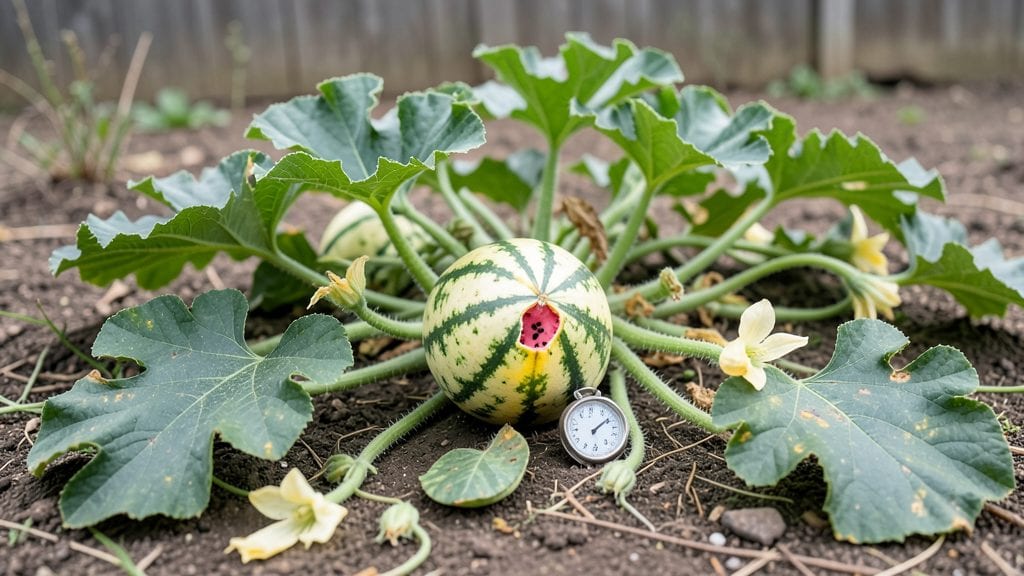
Watermelon seeds last about 4 to 5 years when stored properly in a cool, dry place, though germination rates decline after 2 years. For optimal freshness, keep them sealed in an airtight container away from direct sunlight.
Proper storage is the key to extending watermelon seed viability beyond the typical 2-year mark.
The moisture content of seeds plays a critical role—too much humidity accelerates spoilage, while controlled dryness preserves their structure. 💫 I’ve found that storing seeds in a glass jar with silica packets works best, as it maintains the ideal balance of dryness without exposing them to light or temperature fluctuations.
Even with perfect conditions, seeds older than 3 years may not sprout reliably, so testing a few before planting is always wise.
Temperature matters just as much as moisture. Seeds stored in a cool pantry (50-60°F) hold up better than those kept in a warm kitchen, where heat can degrade their protective outer layers.
For extra longevity, some gardeners even refrigerate seeds in sealed bags, though this isn’t always necessary for short-term storage. The goal is to slow down the natural aging process while keeping the seeds dormant but alive—ready to spring to life when conditions are right.
💡 In This Article
- Watermelon Seed Viability Factors and Germination Science
- Best Practices for Storing Watermelon Seeds Long-Term
Watermelon seed viability factors and germination science
The lifespan of watermelon seeds hinges on three critical factors: moisture content, temperature control, and oxygen exposure. Seeds contain about 5-10% moisture when freshly harvested, but this drops to 3-7% for optimal long-term storage.
When moisture exceeds 12%, fungal growth and metabolic activity accelerate, causing seeds to deteriorate within months rather than years. The protective seed coat acts like a natural barrier, but cracks or improper drying compromise this defense.
Temperature creates another critical threshold. Seeds stored at 32-41°F (ideal for most seed banks) maintain viability far longer than those kept at room temperature (70-75°F). At higher temps, enzymes within the seed break down stored nutrients at a rate of about 10% per year, reducing germination potential.
Oxygen exposure also matters—while seeds need minimal oxygen to stay alive, excessive air flow (especially in porous containers) speeds up oxidation of fats and proteins inside the seed. This is why vacuum-sealed or argon-purged containers preserve seeds better than open jars.
The biological process of dormancy plays a surprising role in seed longevity. Watermelon seeds enter a natural dormancy phase after harvest, slowing their metabolic rate to near-zero.
This state preserves energy reserves but requires stable conditions—fluctuations in humidity or temperature can jolt seeds out of dormancy prematurely, triggering premature germination or spoilage. The science here mirrors how some plants survive extreme conditions: by essentially "hibernating" until conditions are perfect for growth.
Viability rates drop predictably over time. Fresh seeds typically show 95% germination, but this falls to 70-80% after 2 years and 30-50% after 4 years under ideal storage. The decline isn't linear—seeds often maintain high viability for 2-3 years before experiencing a sharp drop.
This explains why gardeners often test a sample before committing to planting older seeds. The paper towel test (placing seeds between damp paper towels for 3-5 days) reveals their true potential without risking an entire crop.
Light exposure creates another hidden threat. While seeds don't photosynthesize, prolonged exposure to UV light degrades their protective pigments and accelerates lipid oxidation. This is why opaque containers work better than clear ones—even indirect sunlight can reduce viability by 15-20% over 12 months.
The combination of proper moisture (5% or less), cool temps (40°F or below), and darkness creates the perfect "seed vault" conditions that extend their usable life.
What most people don't realize is that seed age affects more than just germination. Older seeds often produce weaker seedlings that take longer to establish, making them vulnerable to pests and disease.
This is why professional seed banks use desiccant packets and controlled humidity chambers—they're not just preserving seeds, but ensuring the next generation of plants will thrive.
For home gardeners, the difference between a 2-year-old seed (80% viability) and a 5-year-old seed (30% viability) can mean the difference between a bountiful harvest and wasted effort.