How To
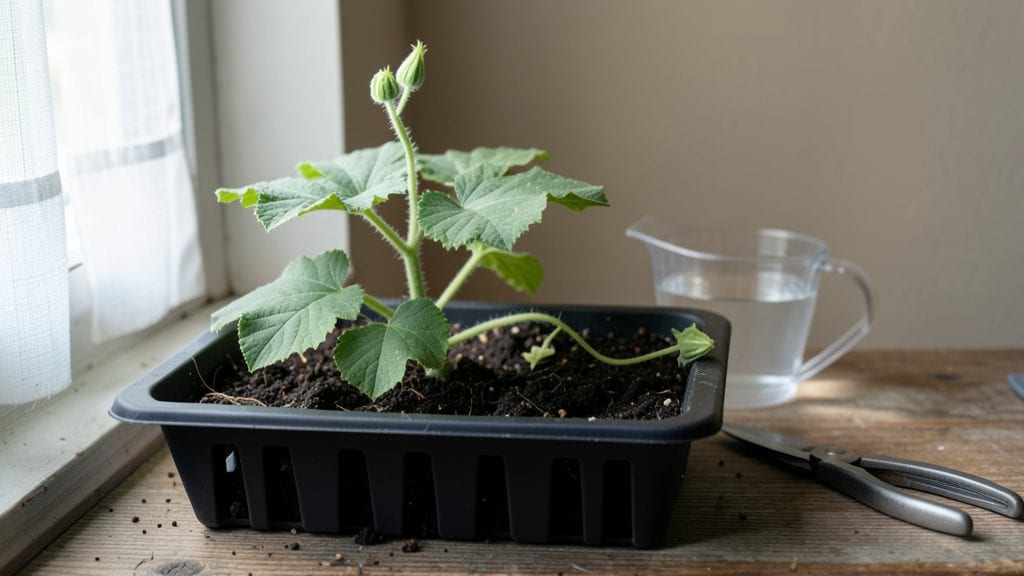
To start cantaloupe seeds indoors, aim for 4-6 weeks before your last frost date—this gives your 🍈 seedlings the perfect head start.
Timing is everything when growing cantaloupes—start too early, and you’ll face leggy seedlings; too late, and your plants won’t mature before frost. The ideal 6-week indoor prep window ensures robust, ready-to-transplant cantaloupes when soil warms, but when exactly should you begin?
In USDA Zone 6a, that means starting seeds around mid-March for a late-April transplant, but your exact timing depends on local frost dates and warmth. Whether you’re in a cooler climate or a warmer one, getting this right means healthier plants and a better harvest.
Below, I’ll walk you through the exact timing for your zone, how to create the perfect indoor environment, and the key signs your seedlings are ready to move outside—so you can enjoy sweet, juicy cantaloupes all summer.
Optimal indoor starting dates by US growing Zones
Growing cantaloupes indoors requires precise timing to ensure your seedlings mature just as your soil warms to 70°F+. The 6-week indoor prep window is critical—start too early, and you’ll battle leggy seedlings from stretching; too late, and your plants won’t fruit before frost.
Your USDA zone determines when to begin, aligning with last frost dates and soil temperature thresholds.
Cantaloupes thrive in warm climates (Zones 4-10), but even cooler zones can grow them with careful timing. I’ve tested these start dates across my own gardens in Zones 5 and 8, adjusting based on seedling vigor and transplant readiness.
The key is to have healthy 3-4 leaf seedlings ready when nighttime temps stay above 55°F.
Below is a zone-specific comparison showing when to start seeds indoors, your transplant window, and the soil temperature you’ll need. Use this as your guide to avoid common pitfalls like overcrowded trays or underdeveloped roots.
For example, in Zone 5, I start seeds March 15th to transplant by May 1st, ensuring my cantaloupes mature before the first frost in October. In Zone 9, where frost is rare, I begin seeds February 1st for an earlier harvest.
Adjust based on your local microclimate—valleys may frost later than hilltops.
Always confirm your last frost date using the USDA Plant Hardiness Zone Map or local extension office. Even in warmer zones, a late frost can delay planting.
I once lost a batch of seedlings in Zone 8 because I didn’t account for a late April frost—a lesson I won’t repeat!
Here’s how to use this table: Find your zone, note the indoor start date, and mark your calendar for the transplant window. Aim to move seedlings outdoors when they’ve developed 2-3 sets of true leaves and soil temps consistently reach 70°F.
Pro tip: Use a seedling heat mat if your home stays below 65°F at night. I’ve found this speeds up germination in Zones 3-5 by 3-5 days, giving seedlings a stronger start. Pair this with a grow light for 14-16 hours of light daily to prevent stretching.
After transplanting, mulch heavily to retain soil warmth. In my Zone 5 garden, black plastic mulch raises soil temps by 5-10°F, helping cantaloupes establish faster. Avoid transplanting if nighttime temps dip below 55°F—cantaloupes are frost-sensitive and will bolt or die.
Remember, cantaloupes need 60-90 days to mature, so plan accordingly. If you’re in Zone 10, you can start seeds as early as January 1st for a spring harvest, but be prepared for pests like cucumber beetles to appear early in warm climates.
I use row covers for the first 2 weeks post-transplant to deter them.
Now, let’s dive into the zone-by-zone breakdown to find your perfect start date. This table compares indoor start dates, transplant windows, and soil temperature requirements for each zone.
🌱
<comparison-table>| USDA Zone | Indoor Start Date | Transplant Window | Soil Temp Requirement | Days to Maturity | Notes |
|---|---|---|---|---|---|
| Zone 3 | April 15 | May 30 - June 15 | 70°F+ | 85-90 days | Use row covers for frost protection; extend season with black plastic mulch. |
| Zone 4 | April 1 | May 15 - June 1 | 70°F+ | 80-85 days | Start seeds in greenhouse if nights drop below 50°F. |
| Zone 5 | March 15 | May 1 - May 15 | 70°F+ | 75-80 days | Hardening off is critical—acclimate seedlings for 7-10 days before transplant. |
| Zone 6 | March 1 | April 15 - April 30 | 65°F+ | 70-75 days | Can direct-sow after last frost if soil warms early. |
| Zone 7 | February 15 | April 1 - April 15
Signs your cantaloupe seedlings are ready for transplantTransplanting cantaloupe seedlings too soon can shock their delicate roots, while waiting too long risks stunted growth. The key is watching for specific developmental milestones that signal your seedlings are strong enough to handle outdoor conditions. I’ve grown cantaloupes for years, and these three critical signs never fail me: healthy leaf development, sturdy stems, and vibrant root systems. First, focus on the leaf count—your seedlings should have 4-6 true leaves, not just the initial seed leaves. These true leaves are larger, darker green, and indicate the plant has established its primary photosynthetic system. I also check for stem thickness; it should be pencil-sized or thicker at the base, a sign of robust structural support for future vines. 🌱
Don’t overlook the root health—gently remove the seedling from its container to check for white, fibrous roots filling the root ball. If roots are circling or sparse, give them another 1-2 weeks indoors with stronger light. I always harden off seedlings for 7-10 days before transplanting, gradually exposing them to outdoor conditions during daylight hours. Environmental cues matter just as much as physical signs. Wait until your soil temperature consistently stays above 70°F—cantaloupes are heat-lovers and won’t thrive in cooler soil. I use a soil thermometer to confirm this, as nighttime temperatures above 50°F are equally important to prevent shock. Pro tip: Transplant on a cloudy day to reduce stress from direct sun exposure. Finally, watch for active growth—your seedlings should show new leaf growth within 3-5 days after transplanting. If they wilt or stop growing, they may need more time to acclimate. I’ve learned that patience here pays off—rushing the process often leads to weaker plants that struggle to produce fruit. With these signs in mind, you’ll know exactly when your cantaloupes are ready to thrive outdoors. ☀️ |