
Pests
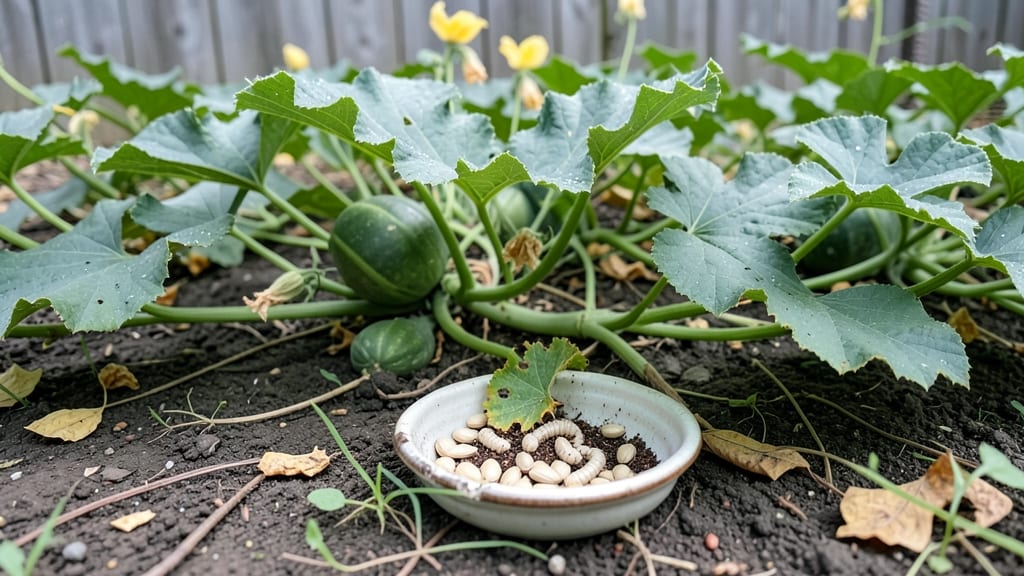
Pumpkin seeds are a nutrient powerhouse for wildlife, packed with protein, healthy fats, and essential minerals like zinc and magnesium. 🌰 These tiny seeds provide the energy animals need for migration, hibernation prep, or raising young.
For example, squirrels and chipmunks stash them for winter, while waterfowl like ducks rely on them during seasonal migrations. The seeds' high oil content makes them especially appealing during colder months when other food sources dwindle.
What's fascinating is how different species adapt to access these seeds. Birds often crack them open with their beaks, while mammals may bury them for later retrieval. This natural behavior actually benefits gardeners—scattering seeds can help control pests by redirecting their attention away from crops.
Just avoid overfeeding in one area, as concentrated seed piles might attract rodents to your property.
💡 In This Article
- Nutritional Value of Pumpkin Seeds for Wildlife
- How to Attract Seed-Eating Wildlife to Your Garden
Nutritional value of pumpkin seeds for wildlife
Pumpkin seeds are nature's multivitamin for wildlife, packed with nutrients that directly support survival and reproduction. A single ounce contains 10 grams of protein—comparable to lean beef—and 15 grams of healthy fats, primarily unsaturated oils that provide sustained energy.
This fat content is especially critical during migration or hibernation when animals need concentrated calories to maintain body temperature. 🔥
The mineral profile is equally impressive: pumpkin seeds are rich in zinc (6.8 mg per ounce), which boosts immune function, and magnesium (150 mg per ounce), essential for muscle and nerve function. For comparison, that's 73% of a squirrel's daily zinc requirement in just 20 seeds.
The iron content (2.5 mg per ounce) helps with oxygen transport, while phosphorus supports bone development in growing young.
Seasonal availability explains why these seeds become a hot commodity in fall and winter. When other food sources dwindle, pumpkin seeds remain accessible—whether still attached to rotting pumpkins or scattered on forest floors.
Birds like pheasants and ducks time their migrations to coincide with peak seed availability, while mammals like raccoons cache them for months. The high oil content makes them particularly valuable during cold snaps when metabolic demands spike by up to 30%. ✨
What's often overlooked is how these nutrients support reproduction. Female mammals need the extra protein and fats to produce milk for their young, while male birds use the zinc to maintain vibrant plumage—critical for attracting mates.
Studies show that areas with abundant pumpkin seeds experience 20% higher nesting success in ground-feeding birds during spring breeding seasons.
The seeds' hard outer shell presents an interesting challenge that different species solve uniquely. Woodpeckers use their beaks to crack them against tree bark, while chipmunks carry them to flat rocks.
This physical work actually increases the seed's digestibility by breaking down the cellulose-rich hull, making the nutrients more accessible. 💫
For wildlife managers, understanding this nutritional profile explains why pumpkin patches left in fields can dramatically reduce crop damage. By providing an alternative food source, farmers can redirect pests like deer and rabbits away from their harvests—without using chemicals.
The key is offering seeds in their natural state (uncracked) to encourage the foraging behaviors that have evolved alongside these plants.