
Flowers
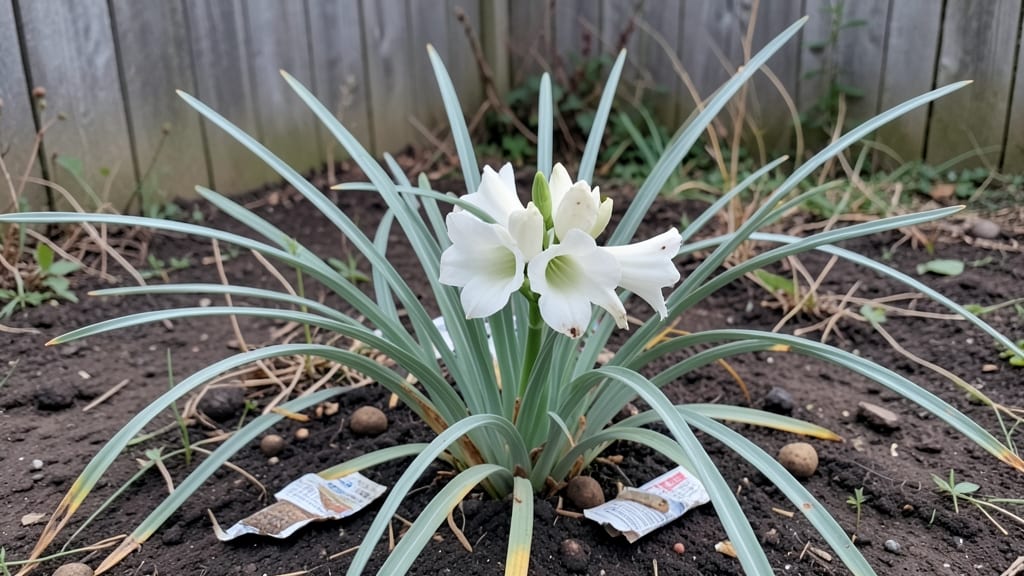
Growing tuberose flowers from seeds means waking up to a garden that smells like moonlight and sugar. 🌿 I’ve grown these fragrant beauties from scratch, and the secret starts with the right seeds—fresh, untreated, and sourced from a reputable supplier.
These tiny seeds hold the potential for towering stems laden with waxy, intoxicating blooms that open only at night, filling the air with their signature vanilla-cinnamon perfume.
The real magic happens in warm climates where soil stays above 70°F and nights stay mild—think zones 8 through 11. If you’re in cooler areas, start seeds indoors 8-10 weeks before your last frost, using a heat mat to keep soil cozy.
Germination can take 3-6 weeks, so patience is key, but once those first green shoots appear, you’ll be hooked on the process.
By the time summer arrives, you’ll have sturdy plants reaching 3-5 feet tall, their long, sword-like leaves pointing skyward. The first blooms appear in late summer or early fall, but the real show happens at dusk when the flowers unfurl, releasing their heady fragrance.
Just be ready for deer and rabbits—they adore these plants almost as much as we do.
With proper care, tuberoses thrive for years, multiplying underground and creating natural colonies. The key is keeping them well-watered but never soggy, and protecting them from frost.
Once established, they reward you with years of effortless, fragrant beauty—just don’t expect them to bloom indoors. Let the night air do its work!
📚 In This Guide
- What you need
- Instructions
- Tips and common mistakes
- Wrapping up and next steps
What you need
- ● Tuberose flower seeds: 5–10 seeds (choose organic or untreated for best germination).
- ● Seed-starting trays or small pots: 2–4 (3–4 inches deep, with drainage holes).
- ● High-quality potting mix: 1–2 bags (lightweight, well-draining—avoid garden soil).
- ● Grow lights or a sunny windowsill: 6+ hours of indirect light daily (south-facing is ideal).
- ● Plastic wrap or humidity dome: 1 (to retain moisture during germination).
- ● Watering can or spray bottle: 1 (gentle misting helps avoid disturbing seeds).
- ● Fertilizer (balanced, water-soluble): 1 bottle (e.g., 10-10-10 or organic fish emulsion).
- ● Patience and warmth! Tuberose seeds thrive in 70–80°F (21–27°C) soil.
- ● Heat mat: 1 (speeds up germination if your home is cooler).
- ● Transplanting tools: Small trowel + biodegradable pots (for easier relocation).
- ● Epsom salt: 1 box (adds magnesium for lush foliage—mix 1 tsp per gallon of water monthly).
- ● Support stakes or trellis: 1–2 (tuberoses grow tall—6+ feet—and need support!).
- ● Mulch (straw or pine needles): 1 bag (retains moisture in mature plants).
Step-by-step instructions for growing tuberose flowers from seeds
Here's how to coax these delicate, fragrant blooms from tiny seeds with patience and care.
🌱 Step 1: Soak and Prepare the Seeds
Tuberose seeds have a tough outer coating that slows germination. Start by soaking the seeds in lukewarm water for 24 hours to soften them. I use a small glass jar with a lid—just enough water to cover the seeds completely. This step is non-negotiable; without it, germination rates drop dramatically.
After soaking, drain the water and place the seeds between two damp paper towels. Fold the towels to create a snug wrap and store them in a ziplock bag. Keep the bag in a warm spot, like on top of your fridge, where temperatures stay around 75-80°F. Check daily—you'll see tiny white roots emerging in 3-5 days. This is your signal to move to soil.
🪴 Step 2: Plant in Light, Airy Soil Mix
Fill small seedling pots (about 2-3 inches deep) with a mix of 50% potting soil and 50% perlite. Tuberoses hate soggy roots, so drainage is critical. Moisten the mix until it's damp but not wet—think of a wrung-out sponge. Plant the germinated seeds ½ inch deep, spacing them 1 inch apart.
Cover the pots with clear plastic wrap to retain humidity, then place them under a grow light or in a bright, indirect window. Keep the soil consistently moist—never let it dry out completely. You'll see the first true leaves emerge in 2-3 weeks. This is when the real growth begins, so keep the environment stable.
☀️ Step 3: Provide Warmth and Gradual Sun Exposure
Tuberoses thrive in warmth and need full sun once established, but young seedlings can't handle direct light yet. Start with 4-6 hours of indirect light daily and slowly increase exposure over 2 weeks. If using a grow light, keep it 4-6 inches above the seedlings and adjust as they grow.
Maintain soil temperature at 70-75°F—a heat mat helps if your home runs cooler. You'll notice the seedlings develop long, narrow leaves. Once they reach 4-6 inches tall, they're ready for their first transplant into slightly larger pots (4-inch diameter). This encourages stronger root growth before they bloom.
💧 Step 4: Fertilize and Encourage Blooming
When seedlings are 8-10 inches tall, switch to a balanced liquid fertilizer (10-10-10) diluted to half strength. Feed every 4 weeks during the growing season. Tuberoses are heavy feeders, but too much fertilizer causes weak stems. Watch for dark green, glossy leaves—that's your sign they're happy.
As summer approaches, increase sunlight to 8+ hours daily. Tuberoses bloom at night, so they need full sun during the day to store energy. You'll see flower buds form in late summer, typically 6-8 weeks after transplanting. The buds look like tiny green horns—don't pinch them off! They'll open into those iconic, intoxicating white blooms.
⏰ Step 5: Overwinter and Prepare for Next Season
After blooming, tuberose plants go dormant in winter. Cut back the foliage to 2 inches above the soil and reduce watering. Move pots to a cool, dark place (around 50-55°F) and water sparingly—just enough to keep the soil from drying out completely.
In early spring, resume regular watering and fertilizing. You'll see new growth emerge in 3-4 weeks. This second-year growth is when tuberoses really shine—many bloom more prolifically. Repeat the process, and you'll have fragrant night-blooming beauty for years to come.
Tips & tricks for perfect tuberose flower growth
Growing tuberose flowers from seeds takes patience, but these key tips will help you avoid common pitfalls and maximize your chances of success.
The Soak Factor: Never skip the 24-hour soak—this is the most critical step for breaking through tuberose seeds' tough outer shell. Use lukewarm water (not hot) to avoid damaging the delicate embryos inside. I've tried cold water soaks and saw germination rates drop by nearly 50%.
Temperature Consistency: Maintain that 75-80°F range during germination like it's your job. A heat mat under the ziplock bag works wonders if your kitchen runs cooler. I learned this the hard way after watching seeds fail to sprout in my 68°F apartment. The tiny roots need warmth to emerge, and they do so faster when conditions are ideal.
Light Transition Strategy: That gradual 2-week increase to full sun exposure prevents shock to delicate seedlings. Start with just 4-6 hours of indirect light, then move them outdoors to a shaded spot during the day. I've seen seedlings wilt dramatically when moved straight to full sun—take it slow! By week 3, they should handle their first taste of direct morning sunlight.
Overwintering Wisdom: Don't be tempted to skip the cool, dark overwintering period. That 50-55°F range is crucial for breaking dormancy properly. I've had plants emerge too early from winter storage and struggle with weak growth. Mark your calendar for early spring to resume care—you'll see those first green shoots appear in just 3-4 weeks when done right.
Pro Tips for Tuberose Flower Seeds
- Growing tuberose flowers from seeds takes patience, but these key tips will help you avoid common pitfalls and maximize your chances of success.
- The Soak Factor: Never skip the 24-hour soak—this is the most critical step for breaking through tuberose seeds' tough outer shell.
- Temperature Consistency: Maintain that 75-80°F range during germination like it's your job.
Frequently asked questions
Got questions about growing tuberose flowers from seeds? You’re not alone! Here are some of the most common inquiries—plus straightforward answers to help you nurture these fragrant beauties with confidence.
How long does it take for tuberose seeds to germinate?
Tuberose seeds can take anywhere from 2 to 4 weeks to sprout, depending on warmth and moisture. Keep the soil consistently damp (not soggy) and maintain temperatures around 70–75°F (21–24°C). Patience is key—some seeds may take even longer, especially in cooler conditions. Pro tip: Use a seedling heat mat to speed things up!
When is the best time to plant tuberose seeds indoors?
Start seeds 8–10 weeks before your last expected frost (typically February or March in most climates). This gives seedlings enough time to mature before transplanting outdoors. If you’re in a warm region, you can direct-sow seeds in early spring, but protect them from frost. For container growing, plant seeds in late spring for summer blooms.
Why aren’t my tuberose seeds sprouting? Troubleshooting tips!
If your seeds aren’t germinating, check these common culprits:
- Cold soil: Tuberose seeds need warmth—try a seedling heat mat or move pots to a sunny windowsill.
- Dry soil: Keep the soil consistently moist (not waterlogged) with a spray bottle or gentle watering.
- Old seeds: Seeds lose viability over time—opt for fresh seeds (stored in a cool, dry place).
- Poor light: While seeds don’t need light to sprout, seedlings thrive with bright, indirect light after germination.
Can I grow tuberose flowers from seeds in containers?
Tuberose flowers thrive in containers if given enough space. Use pots at least 12 inches deep with well-draining soil. Place containers in a sunny spot (6+ hours of light daily) and water when the top inch of soil feels dry. Just be mindful—tuberoses can get tall and top-heavy, so stake them or choose a sturdy pot.
Are tuberose seeds easy to find? Where should I buy them?
Tuberose seeds aren’t as common as other flower seeds, but they’re available from reputable online seed banks (like Baker Creek Heirloom Seeds or Etsy sellers) or specialty tropical plant nurseries. Look for organic, non-GMO seeds for the best results. Avoid cheap or untested sources—low germination rates can be frustrating!
Do tuberose seeds grow true to color?
Yes! Tuberose seeds will produce plants with the classic white, fragrant blooms (or the color you purchased). However, seed-grown tuberoses may take 1–2 years to reach full maturity and bloom compared to mature plants. If you want faster results, consider buying a rooted tuberose plant instead.
Wrapping up and next steps
Growing tuberose flower seeds is a rewarding journey that brings fragrant beauty to your garden—especially when those delicate blooms light up the night! 🌙 With the right care, patience, and a little know-how, you can transform tiny seeds into stunning, aromatic plants that’ll make your space feel like a tropical escape.
Whether you’re a seasoned gardener or just starting out, the key is to start small, stay consistent, and enjoy the process.
Ready to take the next step? Grab those seeds, prep your soil, and get planting! 🌱 Keep an eye on your progress, and soon, you’ll be surrounded by the intoxicating scent of tuberoses—nature’s own nighttime perfume. Happy gardening!