
Vegetables
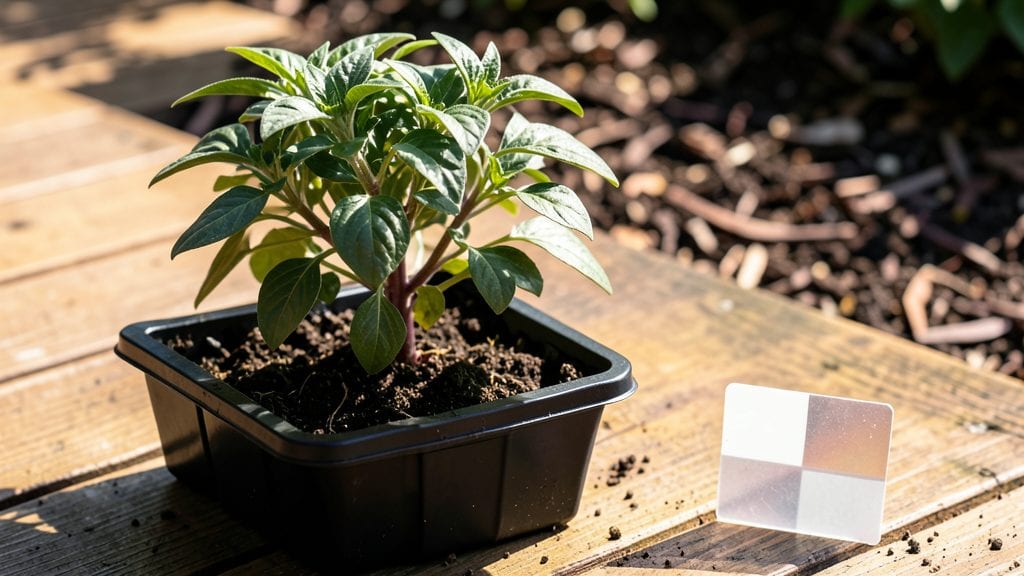
When pepper seedling leaves point upward, it’s a clear sign of overwatering, poor drainage, or weak light exposure, forcing stems to elongate unnaturally. Correct it by spacing out waterings, upgrading your soil mix, and moving seedlings to bright, indirect light to restore balanced growth.
This upward growth isn’t just cosmetic—it’s your plant’s distress signal. 🌱 Overwatering creates oxygen-starved roots that can’t support sturdy stems, while weak light triggers a stretch response called etiolation. The good news?
Fixing these issues often reverses the problem within days. I’ve seen seedlings bounce back dramatically after just a week of proper care, especially when combined with gentle pruning to encourage bushier habits.
For best results, test soil moisture with your finger before watering—it should feel slightly damp but not soggy. If drainage is the culprit, mix in perlite or coconut coir to improve airflow at the roots.
And remember: morning sunlight is your ally, but afternoon intensity can scorch tender seedlings. A simple grow light on a timer works wonders for consistent growth.
💡 In This Article
- Common Causes of Upward Pepper Seedling Leaves
- Step-by-Step Fixes for Pepper Seedling Growth Issues
Common causes of upward pepper seedling leaves
Here's what's actually happening when your pepper seedlings stretch upward: their stems elongate unnaturally due to a hormonal imbalance called etiolation. This occurs when seedlings receive insufficient light, triggering them to grow tall and spindly in search of sunlight.
The plant's cells produce more ethylene gas under stress, which weakens cell walls and causes leaves to point upward rather than outward. Think of it like a plant version of stretching toward a window—except this growth is unsustainable without proper support.
The key factor is light deprivation, but the mechanism involves more than just visible light. Pepper seedlings need 12-16 hours of light daily to maintain healthy growth.
When they get less than 8 hours, chlorophyll production drops by up to 40%, forcing the plant to prioritize stem elongation over leaf development. This creates that classic "leggy" look where leaves point upward at 45-60 degree angles instead of the ideal 90-degree spread for photosynthesis.
Overwatering creates a secondary problem by suffocating roots and preventing proper nutrient uptake. When soil stays soggy for more than 24 hours, beneficial microbes die off, and roots can't absorb enough phosphorus—a crucial element for strong cell walls.
The resulting root stress triggers the same ethylene response, causing stems to weaken and leaves to point upward. You'll often see this combined with yellowing lower leaves, a classic sign of root distress. 🔥
Poor drainage compounds the issue by creating anaerobic conditions at the roots. Without oxygen, roots can't process nutrients efficiently, leading to a buildup of toxic compounds like hydrogen sulfide. This chemical stress further amplifies the plant's ethylene production, creating a vicious cycle that worsens the upward leaf growth.
The visual difference is striking: healthy seedlings have sturdy stems with leaves growing outward, while stressed seedlings develop weak stems with leaves pointing skyward like periscopes.
Temperature plays a surprising role too. Pepper seedlings thrive at 70-80°F during the day, but temperatures below 60°F or above 90°F disrupt their growth hormones. Cold stress slows metabolic processes, while heat causes rapid transpiration that can't be matched by root uptake.
Both scenarios force the plant to prioritize survival over optimal growth, resulting in that upward leaf orientation. The good news is that correcting these environmental factors often reverses the problem within 7-10 days.
What most people don't realize is that even well-intentioned care can trigger this issue. For example, using black plastic pots absorbs 30% more heat than fabric pots, creating microclimates that can stress seedlings.
Similarly, watering on a strict schedule rather than checking soil moisture leads to either overwatering or underwatering—both of which contribute to the upward growth pattern. The solution lies in creating consistent environmental conditions that match the plant's natural growing patterns.