Vegetables
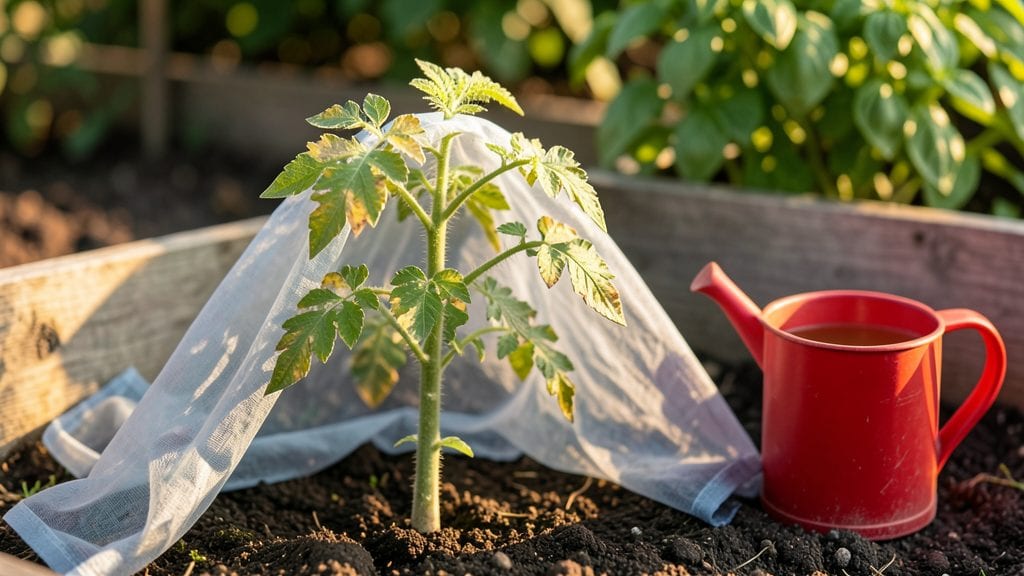
Tomato seedlings can develop sunburn faster than you’d think—those crispy white patches on leaves aren’t just unsightly, they cripple growth before your plants even hit the garden. 🌱 I’ve seen entire batches collapse from a single scorching afternoon, and the fix is simpler than you’d expect: shade cloth.
It’s not about hiding your seedlings; it’s about giving them time to toughen up without frying in direct light.
The problem starts when tender young leaves hit intense sunlight too soon—think of it like slathering a newborn with sunscreen after weeks indoors. Without gradual exposure, seedlings develop bleached patches that stunt their progress, and the damage spreads fast.
My first year, I lost half my plants this way, but once I added lightweight shade cloth (30-50% block), my seedlings thrived from day one.
Here’s the game-changer: cover seedlings with shade cloth for the first week or two, then slowly lift it to let more light in over 5-7 days. Water consistently—dry soil makes leaves more vulnerable—and watch those crispy edges disappear.
By the time you transplant, your seedlings will be stocky, green, and ready for the big outdoors.
This method works for any climate, though hotter zones may need denser cloth or afternoon shade. University extension services often recommend it for exactly this reason—it’s the difference between a scrappy garden and one that produces bushels. Let’s get those seedlings shielded before the sun does more damage.
When Heat Becomes the Enemy
If your tomato seedlings are sporting crispy, white, or yellow patches on their leaves—or worse, blistering like overcooked skin—sunburn is likely the culprit. But why does this happen?
The answer lies in a mix of environmental stress, plant biology, and a few common gardening missteps. Let’s break down the science behind it.
Tomato seedlings are delicate, and their leaves aren’t naturally equipped to handle prolonged, intense sunlight—especially UV-B rays. While UV radiation is essential for photosynthesis, too much can overwhelm a seedling’s protective pigments (like anthocyanins and flavonoids) that normally shield cells.
When these defenses fail, UV light damages cell membranes, leading to:
- Photobleaching: Chlorophyll breaks down, turning leaves white or pale.
- Cell death: Excessive heat and light trigger oxidative stress, causing tissue to blister or die.
- Reduced growth: Energy diverted to repairing damage slows down root and leaf development.
💡 Pro Tip: Seedlings acclimated to low-light conditions (like under grow lights or partial shade) are especially vulnerable when suddenly moved to full sun. Gradual hardening-off (exposing them to sunlight in stages) can help.
Sunburn isn’t just about UV—it’s also about heat stress. Tomato seedlings thrive in 60–75°F (15–24°C) during the day. When temperatures climb above 85°F (29°C), their metabolic processes shut down, and:
- Transpiration slows: Plants can’t cool themselves efficiently, leading to water loss and wilting.
- Enzymes denature: Critical proteins (like RuBisCO, key for photosynthesis) become dysfunctional.
- Cell walls weaken: Heat causes pectin breakdown, making leaves prone to blistering or cracking.
🌡️ Watch For: If your seedlings are in a greenhouse, black plastic mulch, or dark containers, they’re absorbing extra heat, amplifying the risk. Even reflective surfaces (like white plastic) can bounce back harmful infrared radiation.
Sunburn often walks hand-in-hand with water stress. When seedlings don’t get enough water, their cells plasmolyze (shrink), making them more susceptible to sun damage. Here’s how it plays out:
- Closed stomata: To conserve water, leaves shut their pores—but this also traps heat inside, cooking the tissue.
- Oxidative damage: Without proper hydration, reactive oxygen species (ROS) build up, accelerating cell death.
- Thin, weak leaves: Underwatered seedlings develop delicate, translucent foliage that burns easily in sunlight.
💧 Key Sign: Check soil moisture by sticking your finger 1 inch deep. If it’s dry, your seedlings are at risk—even if they’re in full sun.
Moving seedlings from a shaded nursery or indoor setup to bright outdoor conditions too quickly is a recipe for disaster. Their protective cuticle layer (a waxy coating) isn’t fully developed, and the abrupt shift causes:
- Sunburn shock: Leaves that were fine under grow lights or partial shade can blanch or scorch within hours.
- Root trauma: Disturbed roots struggle to take up water, worsening heat stress.
- Stunted photosynthesis: Damaged cells can’t convert sunlight to energy efficiently.
⏳ Solution: Harden off seedlings gradually—start with 1–2 hours of morning sun, then increase exposure over 7–10 days. Avoid transplanting on hot, sunny afternoons.
Understanding these triggers is the first step to prevention. Next, we’ll explore how to protect your seedlings before the damage sets in—because once sunburn takes hold, recovery can be slow and uneven.
Fixing Sun-Damaged Seedlings Fast
Tomato seedlings can look like tiny, crispy survivors after too much sun—but don’t panic! With the right fixes, you can nurse them back to health and prevent future damage. Below, we’ve mapped out practical solutions based on the root cause, plus prevention tips to keep your plants thriving.
🔥 Step 1: Move Them to Shade ASAP
Sunburned seedlings need immediate relief from direct sunlight. Transfer them to a shadier spot (like under a porch, patio, or a makeshift shade cloth) for at least 3–5 days.
Avoid placing them in full shade for too long—moderate light (30–50% shade) helps them recover without stunting growth.
💧 Step 2: Hydrate Gently (But Don’t Overdo It)
Burned seedlings often lose moisture faster. Water deeply but lightly—soak the soil around the roots (not the leaves) to prevent further stress.
Use a spray bottle for misting if leaves are crispy, but avoid soggy soil, which can rot roots.
🛡️ Step 3: Protect with a Light Cover
If you don’t have shade cloth, cover seedlings with a sheer fabric (like an old white T-shirt or cheesecloth) to filter harsh rays. Secure it loosely so airflow isn’t blocked—stagnant air traps heat, which worsens damage.
❄️ Step 1: Provide Nighttime Cooling
Hot days + sunburn = heat stress. Place seedlings in a spot with evening airflow (like near a fan or open window). If temps exceed 90°F (32°C), consider dampening the soil with ice cubes (yes, really!) to lower root-zone temps gradually.
🌿 Step 2: Trim Severely Damaged Foliage
If leaves are crispy or blackened, snip them off with sterilized scissors to redirect the plant’s energy to healthy growth. Don’t remove more than 20–30% at once—this prevents shock.
🍄 Step 3: Boost Recovery with Foliar Spray
Mix 1 tsp of baking soda + 1 quart of water (add a drop of dish soap as a surfactant) and lightly spray the undersides of leaves every 3–4 days.
This neutralizes acidity from sun stress and helps repair cell damage.
🌞 Use the Right Shade Cloth (Now and Later)
- 30–50% shade cloth is ideal for young seedlings (first 2–3 weeks).
- Gradually reduce shade as plants mature (aim for 10–30% shade by week 4).
- Pro Tip: 💡 Stake cloth loosely—leave gaps for airflow to prevent fungal issues.
🕒 Time Your Transplanting
- Avoid midday sun when moving seedlings outdoors. Early morning or late afternoon is best.
- If transplanting in peak sun, water seedlings first, then cover with shade cloth for 1–2 hours to acclimate.
🌱 Harden Off Properly
Before full exposure, harden seedlings off over 7–10 days:
- Day 1–3: 1 hour of indirect sun + shade.
- Day 4–6: 2–3 hours of sun + shade.
- Day 7+: Gradually increase sun time (but never full sun for the first week).
🌿 Choose Sun-Resistant Varieties
Some tomatoes handle sun better than others. Heat-tolerant varieties like:
- ‘Solar Fire’ (cherry tomato)
- ‘Heatmaster’ (paste tomato)
- ‘Celebrity’ (classic slicer)
- Reflective surfaces? Place seedlings on white trays or mulch to deflect excess heat.
- Container gardening? Use light-colored pots—dark colors absorb heat and cook roots.
- Mulch heavily with straw or grass clippings to keep soil temps stable.
Remember: Sunburned seedlings can recover within 1–2 weeks if given the right care. Prevention is key—once you’ve got your shade strategy down, your tomatoes will grow strong, blister-free, and ready for harvest! 🍅✨
Frequently asked questions
What do tomato seedlings look like when they have sunburn?
Look for crispy white or yellow patches on leaves, similar to paper burns. You might also see blistered or brittle edges, and the affected areas often feel dry and brittle to the touch. These symptoms appear within hours of too much direct sunlight.
Can sunburned tomato seedlings recover?
Yes, but it depends on how severe the damage is. Move plants to shade immediately, trim severely damaged leaves, and keep soil consistently moist. With proper care, seedlings typically recover within 1-2 weeks, though they may grow slower at first.
How long should I keep shade cloth over my seedlings?
Start with 30-50% shade cloth for the first 2-3 weeks, then gradually reduce coverage. By week 4, you can transition to 10-30% shade cloth or remove it completely if your climate allows. Always harden off seedlings slowly to prevent shock.
Is it better to use natural shade or shade cloth?
Shade cloth is more effective than natural shade because it provides consistent protection. Natural shade (like under trees) can still allow harmful UV rays through. Use lightweight, breathable cloth to prevent heat buildup while blocking 30-50% of sunlight for young seedlings.
Will sunburn affect my tomato plant's fruit production later?
Severe sunburn can stunt early growth, potentially delaying fruit production by 1-2 weeks. However, if you catch it early and provide proper care, most plants recover fully. The key is preventing sunburn before it becomes widespread to maintain healthy, productive plants.