
How To
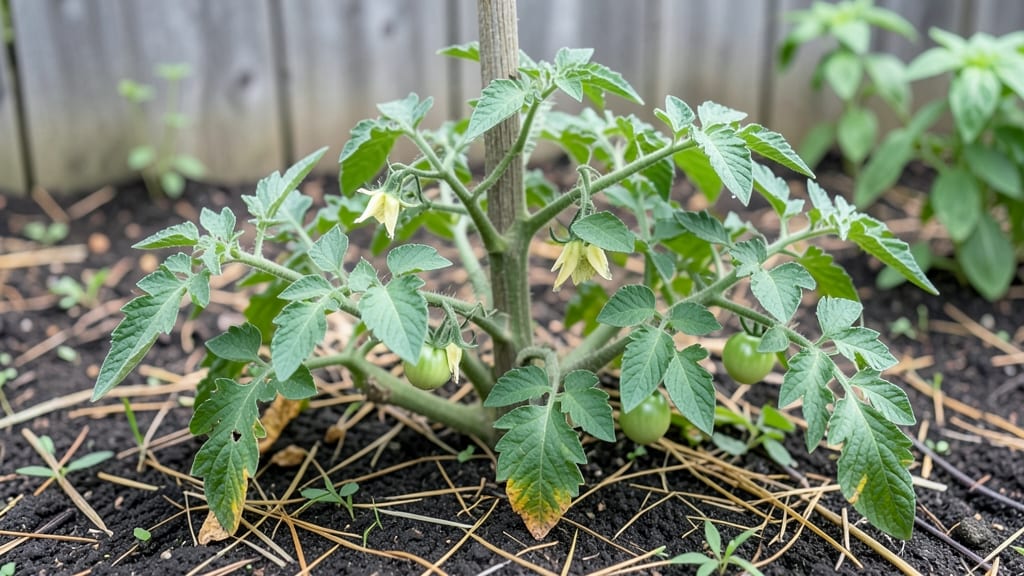
From tomato seed to harvest time, beating the heat and maximizing your garden’s potential is easier than you think—just 8 weeks is all it takes to go from seed to juicy, sun-ripened fruit 🍅.
Growing tomatoes from seed to harvest can feel like a race against time—but with the right 8-week timeline, you’ll maximize yields and avoid common pitfalls that kill plants before they fruit.
Whether you’re a first-time gardener or a seasoned pro, understanding each stage—from seed germination to that first juicy tomato—is the key to success. I’ll walk you through the exact milestones, care tips, and troubleshooting tricks to ensure your plants thrive.
By the end, you’ll know exactly when to plant, how to accelerate growth, and what to watch for to guarantee a bountiful harvest—no guesswork, just results.

Week-by-week tomato growth timeline from seed to harvest
Growing tomatoes from seed to harvest is a journey packed with critical milestones. Each week brings new challenges and opportunities—from the first seedling sprouts to ripe fruit ready for your table. Understanding this 8-week timeline helps you stay ahead of pests, diseases, and environmental stressors that can derail your harvest.
Whether you're a beginner or a seasoned gardener, these weekly checkpoints ensure your plants thrive from germination to fruit production.
Timing is everything in tomato cultivation. Miss a key step, and you risk stunted growth, poor fruit set, or even total crop failure.
This guide breaks down each week’s critical tasks, from seed starting to harvest readiness, so you can maximize yields and enjoy homegrown tomatoes all season. Let’s dive into the week-by-week breakdown to keep your plants on track for success.
Week 1 kicks off with germination, where your seeds need warmth and moisture to sprout. Place them in a humidity dome or sealed container to maintain ideal conditions. Once sprouts appear, ensure they receive 12-14 hours of light daily to prevent leggy seedlings.
This early stage is delicate—overwatering can lead to damping-off, a fungal disease that kills young seedlings.
By Week 3, your seedlings should have 2-3 true leaves, signaling it’s time to transplant them into
How to speed up tomato growth without sacrificing quality
Want to enjoy homegrown tomatoes weeks earlier than your neighbors? The secret isn't just patience—it's strategic care that boosts growth without compromising flavor or plant health. By optimizing light, nutrients, and pruning, you can shave 2-3 weeks off the tomato seed to harvest time while keeping your plants robust.
The key is understanding how to push growth at each critical stage without shocking your plants.
Most gardeners focus on watering and soil, but light exposure and temperature control are the real game-changers. For example, seedlings need 14+ hours of light daily to avoid becoming leggy, while mature plants thrive in 70-85°F temperatures.
Small tweaks in these areas can transform your 60-85 day harvest window into a faster, more productive cycle. Let’s break down the science-backed hacks that work.
5 Proven Ways to Accelerate Tomato Growth
- 💡 Use grow lights for 14+ hours/day in early weeks (avoids leggy seedlings with weak stems)
- 🌱 Apply phosphorus-rich fertilizer (like bone meal) at flowering (promotes fruit set and faster development)
- ✂️ Prune suckers aggressively (directs energy to fruit production instead of foliage growth)
- 🌡️ Mulch heavily with straw or black plastic (retains moisture and warmth, speeding root development)
- ☀️ Use shade cloth during extreme heat (prevents stress-induced delays in fruiting)
Let’s start with light optimization, the foundation of fast growth. Seedlings stretched toward a window? That’s a sign they’re not getting enough light. LED grow lights placed 2-3 inches above seedlings provide the blue spectrum they need for compact, sturdy growth.
If you’re using natural light, position seedlings near a south-facing window and rotate them daily to prevent leaning. Once seedlings have 2-3 true leaves, they’re ready for transplanting—but only if they’ve had strong, even light exposure.
Next, nutrient timing makes all the difference. Most gardeners over-fertilize with nitrogen early on, which boosts foliage but delays fruiting. Instead, switch to a phosphorus-heavy fertilizer (like 5-10-10) when flowers appear.
Phosphorus triggers fruit development, so applying it at the right time can cut 10-15 days off your harvest timeline. Pair this with a balanced fertilizer every 3-4 weeks to maintain overall plant health. Pro tip: Mix in composted manure at planting time for a slow-release nutrient boost.
Pruning might seem counterintuitive—why remove leaves if you want more tomatoes?—but aggressive pruning of suckers (the small shoots in the leaf axils) forces the plant to focus energy on fruit production rather than extra foliage.
Remove suckers when they’re 1-2 inches long, and avoid pruning more than 1/3 of the plant at once. This technique can accelerate fruiting by 7-10 days, especially in determinate varieties that set fruit in clusters.
Don’t overlook temperature control, which directly impacts growth speed. Tomatoes thrive in 70-85°F temperatures, but anything below 55°F or above 90°F slows them down. Use row covers on chilly nights or shade cloth during heatwaves to keep conditions ideal.
Even a 5°F difference can mean the difference between a 60-day harvest and an 80-day wait. For container growers, move pots to a sheltered spot if temperatures dip.
Finally, consistent moisture is non-negotiable. Tomatoes need 1-2 gallons of water per plant weekly, delivered deeply at the soil level. Mulching with straw or wood chips locks in moisture and keeps roots cool, which speeds up nutrient uptake.
Avoid wetting leaves to prevent disease, and always water in the morning so foliage dries quickly. These small adjustments ensure your plants stay stress-free and productive from seed to harvest.