
Vegetables
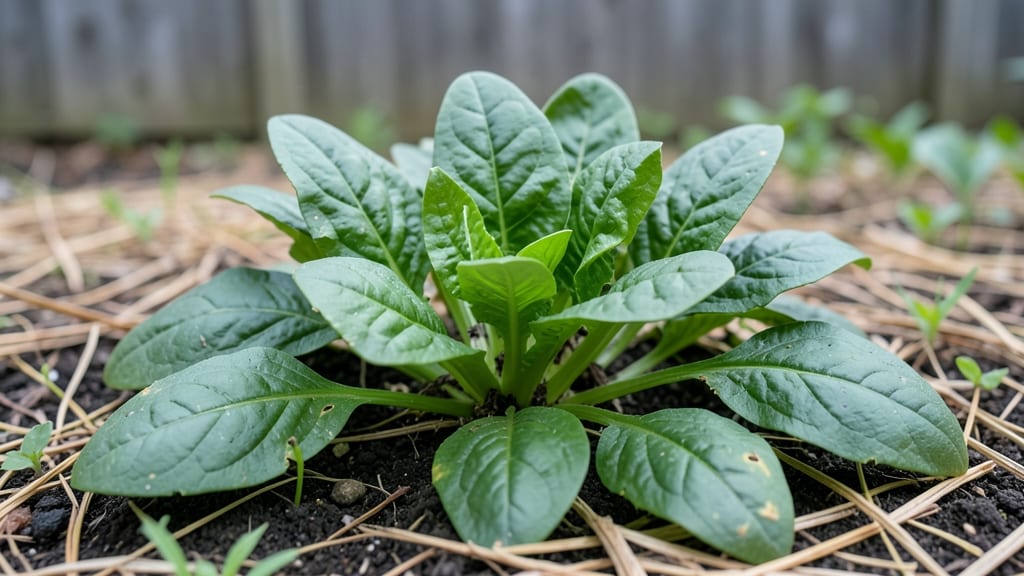
Mastering spinach seedling identification saves you from pulling out what you think are weeds—only to realize they’re your future harvest. 🌱 The first leaves look like tiny, rounded shapes close to the soil, but those aren’t the real deal.
True spinach leaves appear later, with serrated edges and a deeper green hue, signaling it’s time to thin or transplant.
Most mistakes happen when seedlings get crowded or confused with weeds like chickweed or purslane. I’ve pulled out "weeds" only to find baby spinach hiding beneath, so I now check for those telltale serrated edges before grabbing the trowel.
Pests like aphids or fungal spots (like yellowing leaves or black speckles) also mimic poor growth, but they leave behind sticky residue or moldy patches.
By the time you spot those first true leaves, you’ll know exactly what to keep and what to discard. Healthy seedlings stand sturdy, with vibrant color and no signs of wilting or discoloration.
If you catch issues early—like chewed leaves or powdery mildew—you can isolate the plant or treat it before it spreads.
This quick check takes less than a minute per seedling and prevents heartbreak later. Whether you’re dealing with a crowded tray or curious weeds, knowing the difference means more greens in your kitchen by summer. Let’s make sure your seedlings grow up strong and true.
Understanding Seedling Confusion Causes
Spinach seedlings can be a gardeners’ delight—or a source of frustration—when their true identity isn’t immediately clear. False stems and true leaves might look similar at first glance, but their development is governed by distinct biological triggers. Here’s why misidentification happens, broken down into the root causes:
Spinach seedlings pass through two critical phases before true leaves emerge: the cotyledon stage (false stems) and the first true leaf stage. The confusion arises because these stages often blend visually in the early weeks.
- Why it happens: Cotyledons (the first "leaves") are actually modified seed leaves designed to store and transfer nutrients from the seed to the growing plant.
They resemble true leaves but lack the vascular complexity and serrated edges of mature spinach foliage. - Actionable insight: Wait for at least 10–14 days after germination before attempting identification. True leaves will appear smaller, smoother, and more delicate, often with a lighter green hue than cotyledons.
Extreme or inconsistent growing conditions can stunt or distort seedling development, making identification harder.
- Why it happens: - Cold stress (below 50°F/10°C): Delays true leaf emergence, causing cotyledons to linger longer.
Spinach is a cool-season crop, but too much chill can slow metabolism, leading to yellowing or curling of both false and true leaves. - Heat stress (above 80°F/27°C): Accelerates growth but may produce smaller, misshapen true leaves that resemble cotyledons.
High temperatures also reduce chlorophyll production, making leaves paler and harder to distinguish. - Insufficient light (below 4–6 hours of direct sun/day): Causes etiolation—elongated, weak stems with underdeveloped true leaves that mimic false stems.
- Actionable fix: Use a seedling heat mat (for cold snaps) or provide shade cloth (for hot spells). Ensure seedlings get 12–16 hours of light daily with a grow light if natural light is lacking.
Not all spinach seeds are created equal—and how you plant them can alter their early growth patterns.
- Why it happens: - Old or low-quality seeds: May produce weak, slow-growing seedlings with delayed true leaf formation. The cotyledons can appear larger and more dominant for weeks. - Planting too deep: Buries cotyledons underground, forcing the seedling to push harder to reach light.
This can cause stunted true leaves that look like oversized false stems. - Uneven germination: If some seeds sprout earlier than others, the older seedlings may develop true leaves while younger ones are still in the cotyledon stage, creating a patchy, confusing mix.
- Actionable fix: Use fresh, high-quality seeds (stored properly in a cool, dry place). Plant no deeper than ½ inch (1.25 cm) and thin seedlings to 2–3 inches apart once true leaves appear.
Pathogens and pests can mimic or mask true leaf development, leading to misidentification.
- Why it happens:
- Downy mildew (Peronospora farinosa): Causes yellow spots or distortion on true leaves, making them look discolored or ragged—similar to stressed cotyledons.
- Aphids or spider mites: Feed on sap, stunting growth and causing curled or puckered leaves that resemble underdeveloped true leaves.
- Damping-off fungus (Pythium or Rhizoctonia): Attacks young seedlings, causing blackened stems and collapsed cotyledons, which can be mistaken for failed germination.
- Actionable fix: Inspect seedlings daily for signs of damage. Use neem oil (for pests) or copper fungicide (for mildew). Ensure proper spacing and sterilized soil to reduce fungal risks.
Not all spinach varieties develop identical cotyledons or true leaves, adding to the confusion.
- Why it happens:
- Savoy spinach (e.g., 'Giant Winter'): Has deeply crinkled true leaves that can look more like exaggerated cotyledons than smooth-leaved varieties.
- Flat-leaf spinach (e.g., 'Baby’s Leaf Hybrid'): True leaves are broader and smoother, but their early growth may resemble the rounded cotyledons of other types.
- Hybrid spinach: Often bred for uniformity, but some hybrids have delayed true leaf emergence, keeping cotyledons visible longer.
- Actionable tip: Check seed packets for variety-specific growth descriptions. Take close-up photos of your seedlings and compare them to online variety guides (e.g., from seed suppliers like Johnny’s Selected Seeds).
Even experienced gardeners can misjudge spinach seedlings—especially under poor lighting or haste.
- Why it happens:
- Rushing identification: True leaves can be tiny (as small as ¼ inch/0.6 cm) and easily overlooked if you’re not looking closely.
- Low light conditions: Shadows or indoor lighting can distort colors, making cotyledons and true leaves appear more similar than they are.
- Lack of reference: Without a side-by-side comparison of healthy cotyledons vs. true leaves, it’s easy to second-guess what you’re seeing.
- Actionable tip: Use a magnifying glass or phone camera with macro mode to inspect seedlings. Keep a reference chart (like the one in this guide) nearby for quick comparisons.
Fixing common seedling confusion
Now that you understand why spinach seedlings can be tricky to identify—whether it’s those pesky false stems or true leaves hiding in plain sight—let’s tackle the how. Below are practical solutions tailored to each issue, plus prevention tips to keep your seedlings on the right track.
Problem: Your spinach seedlings are sending up thin, wiry growth that looks like leaves but isn’t.
🔍 Step 1: Confirm the Culprit
- False stems (cotyledons vs. true leaves):
- Cotyledons (first leaves) are thick, rounded, and often darker green.
They don’t have the feathery texture of true spinach leaves. - True leaves appear after the cotyledons and are lacy, jagged, or deeply lobed—classic spinach shape. - Pro tip: 💡 Hold the seedling up to light.
Cotyledons are usually smooth-edged, while true leaves have visible veins and serrations.
🌿 Step 2: Encourage True Leaf Growth
- Thin seedlings properly (if overcrowded). False stems thrive in competition.
Use a small knife or tweezers to snip excess seedlings at soil level, leaving the healthiest one. - Boost light exposure. Weak seedlings may stretch toward light, making stems look like leaves.
Move trays to a south-facing window or under grow lights (12–16 hours/day). - Avoid overwatering. Soggy soil = weak stems. Water only when the top inch is dry, and use a tray with drainage holes.
🛡️ Prevention Tips
- Start seeds indoors 4–6 weeks before the last frost (spinach hates heat).
This gives seedlings time to develop true leaves before transplanting. - Use well-draining soil. A mix of pearlite, compost, and potting soil prevents damping-off (a fungal issue that weakens stems). - Fertilize lightly. Too much nitrogen = leafy growth, but balanced 5-10-10 fertilizer (diluted to half-strength) supports sturdy stems.
Problem: Your spinach seedlings are tall and spindly or not growing at all, making identification even harder.
⚡ Step 1: Diagnose the Issue
| Symptom | Likely Cause | Quick Fix |
|---|---|---|
| Elongated stems | Not enough light | Move to brighter light or add grow lights. |
| Yellowing leaves | Overwatering or poor drainage | Let soil dry slightly; check for root rot. |
| Slow growth | Cold temps or weak soil | Warm soil (70–75°F) and add compost. |
| Crispy edges | Underwatering or low humidity | Mist seedlings or use a humidity dome. |
🌡️ Step 2: Adjust Growing Conditions
- Light: If seedlings are leaning toward light, rotate trays daily. Grow lights (LED or fluorescent) are ideal—keep them 2–4 inches above seedlings.
- Temperature: Spinach prefers 50–65°F.
If your home is warmer, place trays on a cool windowsill or use a seedling heat mat (set to 65°F). - Humidity: Use a clear plastic dome or spray bottle to maintain moisture. Aim for 50–70% humidity to prevent stress.
🚜 Prevention Tips
- Hardening off (acclimating seedlings to outdoor temps) 7–10 days before transplanting reduces shock.
- Transplant at the right time. Spinach bolts (goes to seed) in heat—plant in early spring or fall when temps are mild.
- Choose bolt-resistant varieties like ‘Baby’s Leaf Hybrid’ or ‘Tyee’ for slower, sturdier growth.
Problem: Chewed leaves, black spots, or mold mean your seedlings are struggling—and misidentifying them makes care harder.
🐜 Step 1: Identify the Threat
- Pests:
- Aphids (tiny green/black bugs) → Spray with soapy water (1 tsp mild soap + 1 quart water).
- Fungus gnats (tiny black flies) → Let soil dry between waterings and use yellow sticky traps.
- Diseases:
- Damping-off (black, mushy stems) → Remove infected seedlings immediately and sterilize trays with hydrogen peroxide (3%).
- Powdery mildew (white dust on leaves) → Improve airflow and spray with baking soda mix (1 tsp baking soda + 1 quart water + a drop of soap).
🛡️ Prevention Tips
- Rotate crops if growing spinach in the same spot yearly.
- Use neem oil (natural fungicide/pesticide) weekly as a preventive spray.
- Sterilize tools with rubbing alcohol before handling seedlings to avoid spreading disease.
Before transplanting, ensure your seedlings have: ✅ At least 2–3 true leaves (lacy, jagged edges). ✅ Sturdy, not leggy stems (no stretching toward light). ✅ No signs of pests/disease (inspect undersides of leaves). ✅ Strong root systems (gently tug—if they resist, they’re ready!).
By addressing these issues early, you’ll avoid the frustration of misidentifying spinach seedlings—and end up with a bountiful, leafy harvest! 🥬✨
Frequently asked questions
How do I tell the difference between spinach cotyledons and true leaves?
Cotyledons (false leaves) appear first and are thick, rounded, and smooth-edged with a darker green color. True spinach leaves develop later, featuring lacy, jagged edges and visible veins. Hold seedlings up to light—cotyledons lack the vascular detail of true leaves.
Why are my spinach seedlings looking weak and not developing properly?
Weak seedlings often suffer from poor light (etiolation), overwatering, or cold stress. Ensure they get 12–16 hours of light daily and maintain soil moisture without sogginess. Use a seedling heat mat if temps drop below 50°F.
Can I transplant spinach seedlings with just cotyledons?
No—wait until seedlings have 2–3 true leaves (lacy, jagged edges) before transplanting. Cotyledons alone aren’t strong enough to support growth. Thin crowded seedlings early to avoid competition.
What do pest-damaged spinach seedlings look like?
Look for chewed edges (slugs/snails), sticky residue (aphids), or white powder (powdery mildew). Inspect leaf undersides daily. Treat aphids with soapy water and fungal issues with copper fungicide.
How long does it take for spinach seedlings to develop true leaves?
True leaves typically appear 10–14 days after germination, though this varies by variety and conditions. If they don’t emerge within 3 weeks, check for light deprivation or temperature stress.