
Trees
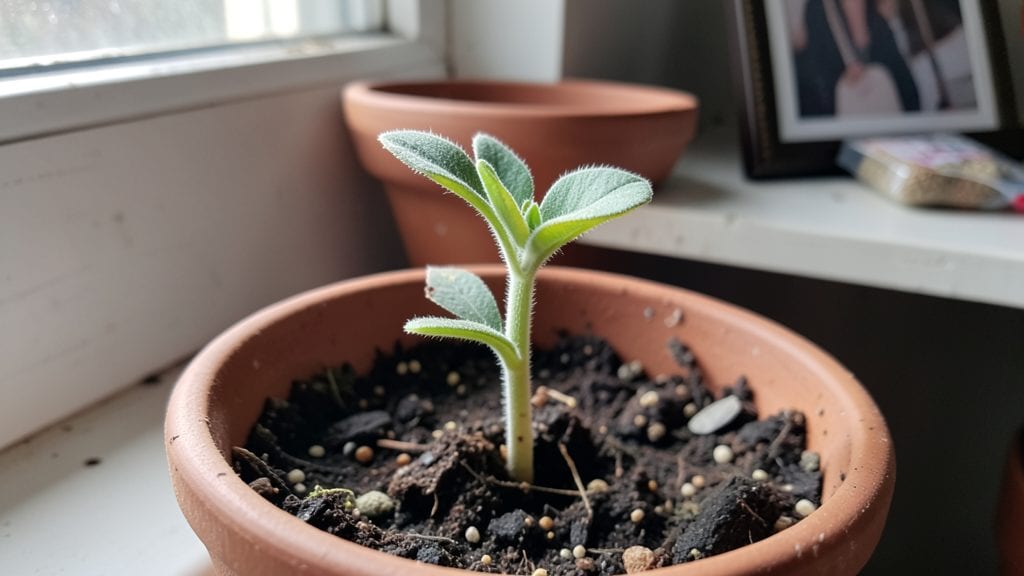
Mastering snapdragon seedling identification early spares you weeks of confusion and wasted space—those first leaves hold the answer. 🌱 The key lies in their oval, fuzzy-edged foliage, which grows in pairs along the stem, while weeds or mislabeled seedlings often show up with jagged leaves or single-stem growth.
I’ve pulled up enough imposters to know the difference matters.
Start by checking the leaf arrangement: snapdragon seedlings grow in opposite pairs (not alternating like weeds), and their stems stay slightly hairy to the touch. Early seedlings might look delicate, but that fuzzy texture is your best friend—it’s a dead giveaway.
Common mistakes? Overlooking the stem’s light green hue or mistaking broadleaf weeds for true varieties.
Once you spot those paired, fuzzy leaves, you’ll know you’ve got the real deal—and that means stronger, more vibrant plants come blooming season. Proper identification now means fewer surprises later, like leggy stems or weak blooms. Trust the leaves; they never lie.
This works for all snapdragon varieties, from dwarf to giant types, and even helps distinguish them from other seedlings like snap peas or nasturtiums. Keep an eye out for those first true leaves, and you’ll be pruning with confidence in no time.
What Triggers Misidentification
Correctly identifying snapdragon seedlings can be tricky, especially when they’re young and their defining traits haven’t fully emerged. Misidentification often stems from a mix of biological quirks, environmental factors, and human observation biases.
Below, we break down the key reasons why seedlings might fool even experienced gardeners—and how to spot the red flags early.
Snapdragon seedlings (Antirrhinum majus) develop their signature characteristics—like bicolor flowers, toothed leaves, or square stems—only after reaching a certain maturity. Before that, they can resemble other plants entirely.
- Leaf confusion: Young snapdragon leaves are often round or oval with smooth edges, mimicking basil, borage, or even some wildflowers. Their true serrated, lance-shaped leaves don’t appear until the third or fourth set.
- Stem deception: Early stems may look hairy or slightly fuzzy, which can be mistaken for lamb’s ear (Stachys) or other fuzzy-stemmed seedlings. The classic square stem (a mint family trait) usually develops later.
- Color camouflage: Seedling leaves often start deep purple or bronze, blending into soil or mulch. This anthocyanin pigment fades as they mature, making them harder to distinguish in shaded areas.
💡 Pro Tip: Use a hand lens (10x magnification) to inspect leaf veins and stem texture. Snapdragon seedlings have prominent parallel veins and a slightly woody base at the soil line—traits absent in lookalikes.
Heat, cold, or poor soil conditions can stunt growth or trigger abnormal traits, making seedlings harder to recognize. For example:
| Stressor | How It Affects Seedlings | What It Looks Like |
|---|---|---|
| 🔥 Excessive Heat | Slows photosynthesis, causing yellowing (chlorosis) or purple tinges. | Seedlings may resemble stressed tomatoes or wilted basil instead of snapdragons. |
| ❄️ Cold Snaps | Delays leaf unfolding, leaving small, cupped leaves that look like wild violet seedlings. | Stems may appear stunted or twisted, masking the square shape. |
| 💧 Over/Under-Watering | Causes edema (blistered leaves) or crispy edges, making them resemble damaged lettuce. | Leaves may curl inward, hiding serrations. |
🌡️ Fix It: Maintain soil temps between 60–75°F (15–24°C) and keep moisture consistently even. If seedlings are stressed, wait 7–10 days—true snapdragons will rebound with their characteristic traits.
Snapdragons (Antirrhinum) are self-compatible but easily cross-pollinate with wild relatives like snapwort (Antirrhinum orontium) or snapdragon hybrids. This can produce seedlings with:
- Mixed leaf shapes: Some leaves may be lobed or deeply serrated, while others stay smooth—creating a "patchwork" appearance.
- Unusual stem patterns: Hybrids might have partially square stems or uneven hairiness.
- Delayed flowering: Crossbred seedlings may take 2–3 weeks longer to bloom, throwing off identification timelines.
🔍 Solution: If you’re growing multiple snapdragon varieties, isolate them by 10+ feet or use breeder bags to prevent cross-pollination. For unknown seedlings, wait until flowers form—hybrids often have paler or irregular petal patterns.
Even with perfect seedlings, gardeners can misidentify them by focusing on wrong traits. Common mistakes include:
- Ignoring the "snap" mechanism: Snapdragons get their name from flower petals that "snap" shut when squeezed. Seedlings won’t show this until 6–8 weeks old, but buds (not leaves) are the first clue.
- Confusing cotyledons: The first two leaves (cotyledons) are round and undistinguished in many plants. Snapdragons’ true leaves (third set onward) are the only reliable ID point.
- Skipping the "stem test": Gently pinch a seedling’s stem—if it’s square (not round), it’s likely a snapdragon. Round stems = not a match.
🎯 Quick Checklist:
- Are leaves lance-shaped with serrated edges? (✅ Yes → Likely snapdragon)
- Is the stem square when pinched? (✅ Yes → Mint family, likely snapdragon)
- Do buds form in pairs along the stem? (✅ Yes → Classic snapdragon growth habit)
Fixing Seedling Confusion Fast
Now that you know the common pitfalls in snapdragon seedling identification, let’s tackle them head-on with practical, step-by-step solutions.
Whether your seedlings are struggling to thrive, look misidentified, or are just growing too slowly, these fixes will help you get back on track—plus, we’ll share prevention tips to avoid future headaches.
Cause: Too many seedlings competing for space, light, and nutrients.
How to Fix It: 🔥 Thin Them Out Use clean, sharp scissors or your fingers to gently remove excess seedlings, leaving only the healthiest 2–3 inches apart. Aim for strong, straight stems with vibrant leaves—these are your winners!
🍳 Repot the Survivors If thinning isn’t enough, transplant the strongest seedlings into individual pots with fresh potting mix. Use a sterilized container (like small nursery pots) to prevent disease.
👨🍳 Boost Light Exposure Move pots to a sunny windowsill or under grow lights for 12–14 hours daily. South-facing windows or a LED grow light (12–16 inches above seedlings) works best.
🥘 Fertilize Lightly After 2–3 weeks, feed with a balanced, water-soluble fertilizer (like 10-10-10) diluted to half-strength. Over-fertilizing can burn tender roots—go slow!
Prevention Tips: ✨ Start with the Right Spacing – Sow seeds in individual cells or small pots to avoid crowding from the get-go. 🌡️ Monitor Growth Weekly – Check for yellowing leaves or leggy stems early. Thin before seedlings become root-bound.
Cause: Fungal infections (like powdery mildew), nutrient deficiencies, or overwatering.
How to Fix It: 🔥 Identify the Problem First
- Yellow leaves with brown spots? → Fungal disease (likely powdery mildew or damping-off).
- Pale, limp leaves? → Overwatering or nutrient deficiency.
- Purple-tinged leaves? → Phosphorus deficiency (common in snapdragons).
🍳 Treat Fungal Issues
- Remove infected leaves immediately.
- Spray with neem oil (1 tsp per quart of water) or a baking soda solution (1 tsp baking soda + 1 quart water + a drop of dish soap).
- Improve airflow by spacing plants further apart or using a small fan on low.
👨🍳 Adjust Watering Habits
- Let the top inch of soil dry out between waterings.
- Water at the base (not overhead) to prevent fungal spores from splashing onto leaves.
- Use well-draining soil—mix in perlite or vermiculite if your potting mix is too dense.
🥘 Fix Nutrient Deficiencies
- For yellowing leaves: Add iron chelate or Epsom salt (1 tbsp per gallon of water).
- For purple stems/leaves: Use a phosphorus-rich fertilizer (like 5-10-5) for 2–3 weeks.
- For overall weakness: Switch to a balanced fertilizer (like 20-20-20) every 4–6 weeks.
Prevention Tips: 💡 Sterilize Tools – Wash scissors and pots with rubbing alcohol before use. 🎯 Avoid Overwatering – Stick your finger in the soil; if it’s soggy, wait a day. ✨ Rotate Pots – Ensures even light exposure and prevents leggy growth.
Cause: Not enough light or too much nitrogen, leading to tall, spindly plants.
How to Fix It: 🔥 Move to Brighter Light
- Immediate fix: Place seedlings under grow lights or near a sunny window.
- Gradual hardening: If moving outdoors, acclimate slowly (start with 1–2 hours of sun, then increase daily).
🍳 Prune for Bushier Growth
- Pinch back the top set of leaves when seedlings are 4–6 inches tall.
- This encourages side branching, making plants stockier and more stable.
👨🍳 Adjust Fertilizer
- Stop nitrogen-heavy feeds—switch to a low-nitrogen, high-phosphorus fertilizer (like 5-10-5).
- Flush the soil with plain water if you suspect over-fertilization.
🥘 Support Weak Stems
- Use toothpicks or small stakes to prop up leggy seedlings until they strengthen.
- Avoid heavy watering—wet soil can make stems even more fragile.
Prevention Tips: 🌡️ Start with Strong Light – Use grow lights from day one if natural light is weak. 🔥 Fertilize Sparingly – Wait until seedlings have 2–3 true leaves before feeding. 💪 Choose the Right Variety – Some snapdragons (like ‘Black Knight’) are hardier—pick disease-resistant types if you’re a beginner.
Cause: Mixed seed batches, cross-pollination, or buying low-quality seeds.
How to Fix It: 🔥 Compare with True Variety Traits
- Check leaf shape (lance-shaped vs. rounded).
- Observe flower buds (some snapdragons develop buds early—wait to see color).
- Refer to seed packets—take photos and compare with reputable grower images.
🍳 Test with a Simple ID Guide Use this quick leaf and stem checklist:
| Trait | True Snapdragon | Possible Imposter |
|---|---|---|
| Leaf Shape | Lance-shaped, slightly fuzzy | Rounded or smooth |
| Stem Texture | Hairy, square stems | Smooth or round stems |
| Growth Habit | Bushy, upright | Tall and sprawling |
| Flower Buds | Snapped dragon-like (2 lips) | Bell-shaped or single petals |
👨🍳 Start Over if Needed
- If seedlings are too far gone, pull them and resow high-quality seeds from a trusted supplier.
- Save a few as cuttings if you’re unsure—some snapdragons root easily in water.
🥘 Prevent Future Mix-Ups
- Buy from certified growers (like Baker Creek or Johnny’s Selected Seeds).
- Label seeds before planting (use toothpicks and tape).
- Grow one variety at a time if you’re new to snapdragons.
Prevention Tips: 🎯 Isolate Seedlings – If growing multiple varieties, keep them at least 10 feet apart to prevent cross-pollination. ✨ Take Progress Photos – Document growth stages to compare with expected traits. 💡 Join Gardening Forums – Post photos in groups like r/Gardening for second opinions!
Final Pro Tip: 🌟 Patience is key! Snapdragons can take 8–12 weeks to flower, so don’t rush—focus on strong roots and leaves first. If all else fails, treat it as a learning experience and try again with better prep next time!
Frequently asked questions
What do snapdragon seedlings look like in their earliest stages?
True snapdragon seedlings start with round cotyledons (first two leaves), followed by lance-shaped, fuzzy-edged true leaves that grow in opposite pairs. Look for light green stems with a slight hairiness—this fuzzy texture is a key identifier.
How can I tell if my seedlings are snapdragons or weeds?
Weeds often have jagged or irregular leaf edges and grow in a single-stem pattern, while snapdragons develop paired leaves with serrated edges and a square stem when pinched. Check for parallel veins in the leaves—snapdragons have prominent ones.
Why do some snapdragon seedlings look purple or bronze?
This anthocyanin pigment appears in young seedlings due to cool temperatures or stress. It’s normal and fades as they mature. If the purple persists beyond 4–6 weeks, it may indicate phosphorus deficiency—try a balanced fertilizer like 5-10-5.
Can I identify snapdragon seedlings before they develop true leaves?
No—only the third and fourth sets of leaves (true leaves) reveal snapdragon traits. The first two leaves (cotyledons) are identical across many plants. Wait until you see lance-shaped, serrated leaves to confirm.
What’s the best tool for confirming snapdragon seedlings?
A hand lens (10x magnification) helps inspect leaf veins and stem texture. Snapdragons have prominent parallel veins and a slightly woody base at the soil line. For tough cases, compare with seed packet photos or ask in gardening forums.