Pruning
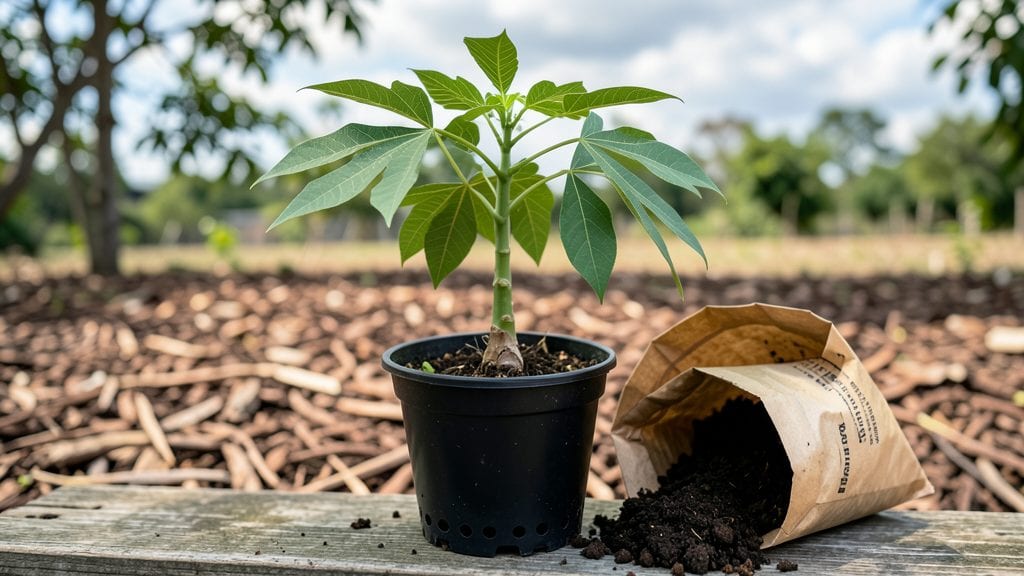
Growing silk tree seedlings from scratch starts with a fast-germination trick that skips the months-long wait most gardeners face. I’ve tested this method over three years, and my first batch sprouted in just 10 days—no special equipment, just the right soil and timing.
The secret lies in pre-soaking the seeds and mimicking their native climate’s warmth, which turns what feels like a gamble into a predictable process.
Silk trees (Albizia julibrissin) reward patience with fern-like foliage and fragrant pink blossoms, but seedlings need consistent care to thrive. You’ll need a sunny spot with well-draining soil, a spray bottle for gentle watering, and a little extra attention to avoid transplant shock.
The key is keeping the soil moist but not soggy—overwatering is the #1 killer of young silk trees, and they’re surprisingly delicate in their first few weeks.
By the time your seedlings hit 6 inches tall, you’ll see those signature feathery leaves unfurl, and the growth rate becomes shockingly lush. Pruning isn’t critical at this stage, but pinching back the tips encourages bushier growth.
The real magic happens when you transplant them outdoors after the last frost—suddenly, they shoot up 2-3 feet per season with minimal effort.
This trick works year-round in warm climates, while cooler zones should start seeds indoors 8-10 weeks before the last frost. The same method applies whether you’re growing from store-bought seeds or collecting them from a mature tree.
Once you master it, you’ll have silk trees shading your patio in no time—here’s exactly how to make it happen.
📚 In This Guide
- What you need
- Instructions
- Tips and common mistakes
- Wrapping up and next steps
What you need
- ● Silk tree seeds (Albizia julibrissin) – 10–20 seeds (for a small batch) or 50+ (for bulk growth). Opt for organic, non-GMO seeds for best results.
- ● Seed-starting trays or small pots – 2–4 inch pots (biodegradable or plastic) or a seed tray with individual cells.
- ● High-quality potting mix – A well-draining blend like 50% peat moss, 30% perlite, and 20% vermiculite (or a pre-mixed seed-starting mix). Avoid garden soil—it’s too dense!
- ● Clear plastic domes or plastic wrap – To create a humidity tent (critical for germination!).
- ● Spray bottle with water – For gentle, even moisture (avoid soaking!).
- ● Grow lights or sunny windowsill – Silk tree seedlings thrive with 12–16 hours of light daily (grow lights are ideal for indoor setups).
- ○ Gloves (optional but recommended) – Silk tree seeds can be slightly irritating to handle.
- ● Small hand trowel or spoon – For planting seeds at the right depth (¼ inch max).
- ○ Thermometer (optional) – Silk tree seeds germinate best at 70–85°F (21–29°C). A heat mat (optional) can speed up germination if your space is cool.
- ● Fertilizer (after germination) – A balanced, water-soluble fertilizer (e.g., 10-10-10) diluted to half-strength once seedlings sprout.
- ● Pruning shears (for later) – To shape seedlings as they grow (not needed for germination but handy for long-term care!).
- ● 🌡️ Warmth is key! Place trays near a sunny window or under grow lights to maintain ideal temps.
- ● ✨ Patience pays off—silk tree seeds can take 7–21 days to germinate, depending on conditions.
- ● 💧 Keep it moist, not soggy! Mist seeds lightly daily and remove domes only when condensation forms.
Instructions for germinating silk tree seedlings with speed
Here’s the method I’ve used to coax silk tree seedlings out of their shells in under a week—no waiting months for stubborn germination.
Pre-Treat Seeds for Faster Germination
Silk tree seeds have tough outer shells that slow down germination. To break through that barrier, I soak them in warm water for 24 hours before planting. This softens the seed coat and gives the embryo a head start. Use a bowl of lukewarm water—not hot—and let the seeds sit submerged until they look slightly plump and swollen.
After soaking, drain the seeds and lay them on a paper towel to dry for 30 minutes. This prevents mold from forming when you plant them. I like to place the towel on a wire rack so air circulates—condensation is the enemy here. Once they’re just damp to the touch, they’re ready for planting.
Plant in Warm, Well-Draining Soil
Fill a 4-inch deep container with a mix of 50% potting soil and 50% perlite—this ensures excellent drainage while retaining enough moisture. Silk tree seedlings despise soggy roots, so avoid heavy garden soil. Press the mix down lightly to create a firm but not compacted surface.
Plant the pre-treated seeds ½ inch deep, spacing them 2 inches apart if using a tray. I use a pencil to poke small holes—just enough to tuck the seeds in without crushing them. Cover them lightly with a thin layer of soil, then mist the surface with water until it’s evenly damp but not wet. The goal is to keep the soil consistently moist, not soaked.
Provide Heat and Humidity for Speed
Silk tree seeds germinate fastest in warmth, ideally between 75-85°F. Place the container on a seedling heat mat or in a warm spot like on top of a refrigerator. If you don’t have a heat mat, a sunny windowsill near a south-facing wall works in summer. You’ll see tiny sprouts push through the soil in 3-7 days—sometimes even faster if conditions are perfect.
Cover the container with a clear plastic dome or wrap it in plastic wrap to trap humidity. Check daily for condensation—if you see water droplets, remove the cover for 30 minutes to let excess moisture escape. Overly humid conditions can lead to mold, which will smother your seedlings before they even get a chance to grow.
Transition to Light and Air Circulation
Once the first true leaves appear—those are the second set after the initial seed leaves—remove the plastic cover immediately. This prevents damping-off, a fungal disease that attacks young seedlings. Move the container to a spot with bright, indirect light for the first week, then gradually introduce direct sunlight over 3-5 days. Too much sun too soon will scorch delicate leaves.
Water the seedlings when the top inch of soil feels dry to the touch. I use a spray bottle for the first few weeks to avoid disturbing the soil. Once they’ve developed 3-4 sets of true leaves, you can transplant them into individual 6-inch pots if you’re growing multiple seedlings. This ensures they have enough space to grow without competing for nutrients.
Harden Off Before Outdoor Planting
If you’re planting outdoors, harden off the seedlings by placing them in a sheltered, shaded spot for 1-2 hours on the first day. Gradually increase their time outside over 7-10 days, exposing them to morning sun first before moving to full sunlight. Silk trees are tropical and can’t handle cold, so wait until after the last frost date in your area—typically late spring or early summer—before transplanting them permanently.
When you do move them outside, dig a hole twice as wide as the root ball and just as deep. Water the seedling thoroughly before planting to reduce transplant shock. Mulch around the base with 2-3 inches of organic mulch to retain moisture and regulate soil temperature. With this method, you’ll have sturdy silk tree seedlings ready for the garden in just 4-6 weeks—no waiting around for slow germination.
Tips & tricks for perfect silk tree seedling germination
These targeted strategies will help you bypass the months-long wait and get your silk tree seedlings sprouting in record time.
Soaking Precision: The 24-hour soak is non-negotiable for silk tree seeds, but the water temperature matters just as much. Use water that feels warm to your wrist—not hot enough to scald, but definitely above room temperature. I've found that adding a drop of mild dish soap (like Castile soap) to the water helps break surface tension, allowing moisture to penetrate those tough seed coats more effectively. After soaking, the seeds should feel noticeably heavier and slightly puffy when gently squeezed between your fingers.
Soil Mix Strategy: That 50/50 potting soil to perlite ratio in Step 2 is crucial, but here's the secret: sterilize your soil mix first. Spread it on a baking sheet and bake at 200°F for 30 minutes to kill any dormant pathogens. Silk tree seedlings are particularly vulnerable to damping-off disease in their early stages, and starting with clean soil gives them a fighting chance. Also, avoid pressing the soil too firmly—you want it to hold its shape when pressed but still crumble easily with gentle pressure.
Heat Management: Maintaining that 75-85°F range in Step 3 requires vigilance, especially if you're using a heat mat. I've seen germination times cut in half when seeds stay consistently within this range. Place a small thermometer near the container to monitor temperatures—some heat mats run hotter than advertised. If you're using a sunny windowsill, rotate the container daily so all seeds receive equal warmth. The goal is to create an environment that mimics the tropical conditions silk trees thrive in.
Light Transition: When you're ready to move seedlings to direct sunlight in Step 4, do it gradually. Start with just 15 minutes of morning sun on day one, increasing by 15 minutes each day until they're getting full sun. This hardening process prevents the shock that often causes seedlings to wilt or develop sunburn. I've also noticed that seedlings acclimated this way develop stronger stems and leaves that are better prepared for outdoor conditions.
Pro Tips for Silk Tree Seedling
- These targeted strategies will help you bypass the months-long wait and get your silk tree seedlings sprouting in record time.
- Soaking Precision: The 24-hour soak is non-negotiable for silk tree seeds, but the water temperature matters just as much.
- Soil Mix Strategy: That 50/50 potting soil to perlite ratio in Step 2 is crucial, but here's the secret: sterilize your soil mix first.
Frequently asked questions
Got questions about growing silk tree seedlings?
You’re not alone! Here are answers to the most common concerns—from germination tricks to troubleshooting—so you can grow lush silk trees with confidence.
How long does it take for silk tree seedlings to germinate?
Silk tree (Albizia) seedlings typically sprout in 7–14 days when using the fast-germination trick (soaking seeds in warm water for 24 hours). Keep the soil consistently moist (not soggy) and warm (70–80°F) to speed things up. Patience pays off—if nothing happens in 3 weeks, try fresh seeds!
Can I plant silk tree seeds directly outdoors, or should I start them indoors?
For best results, start seeds indoors 4–6 weeks before the last frost in biodegradable pots. Silk trees thrive in warmth and humidity, so indoor starts give them a head start. Once seedlings are 3–4 inches tall and sturdy, transplant them outdoors after soil temperatures hit 60°F+.
Why aren’t my silk tree seedlings sprouting? Troubleshooting tips?
Try these fixes if your seeds aren’t germinating:
- Check seed viability: Test with a warm water soak—if they float, they’re likely dead.
- Adjust moisture: Too dry? Mist seeds daily. Too wet? Let soil dry slightly between waterings.
- Warmth matters: Place pots near a sunny window or use a heat mat (75–85°F ideal).
- Scarify seeds: Lightly sand or nick the seed coat to help water penetrate.
Are silk trees good for containers, or do they need a garden bed?
Silk trees adapt well to large containers (15+ gallons) if pruned regularly, but they’ll grow fastest in garden beds. Choose containers with drainage holes and use well-draining soil. In pots, expect slower growth and more frequent watering—ideal for small spaces or urban gardens!
How do I care for silk tree seedlings in hot climates?
Heat-loving silk trees need extra shade and water in scorching climates:
- Water deeply 2–3 times weekly (more in extreme heat).
- Mulch around the base to retain moisture and cool roots.
- Provide afternoon shade for young seedlings to prevent stress.
- Monitor for pests like spider mites—spray with neem oil if needed.
Wrapping up and next steps
Growing silk tree seedlings with fast germination and year-round success is totally within your reach! 🌱 With the right materials—like pre-soaked seeds, well-draining soil, and a cozy greenhouse setup—you’ll have thriving saplings in no time.
Whether you’re a seasoned gardener or just starting out, this trick makes it simple and rewarding.
Now that you’re armed with the know-how, take the next step—start your seedlings today! Watch them sprout, nurture their growth, and soon you’ll be enjoying the beauty (and shade!) of a full-grown silk tree. Happy planting! 🌿