
Watering
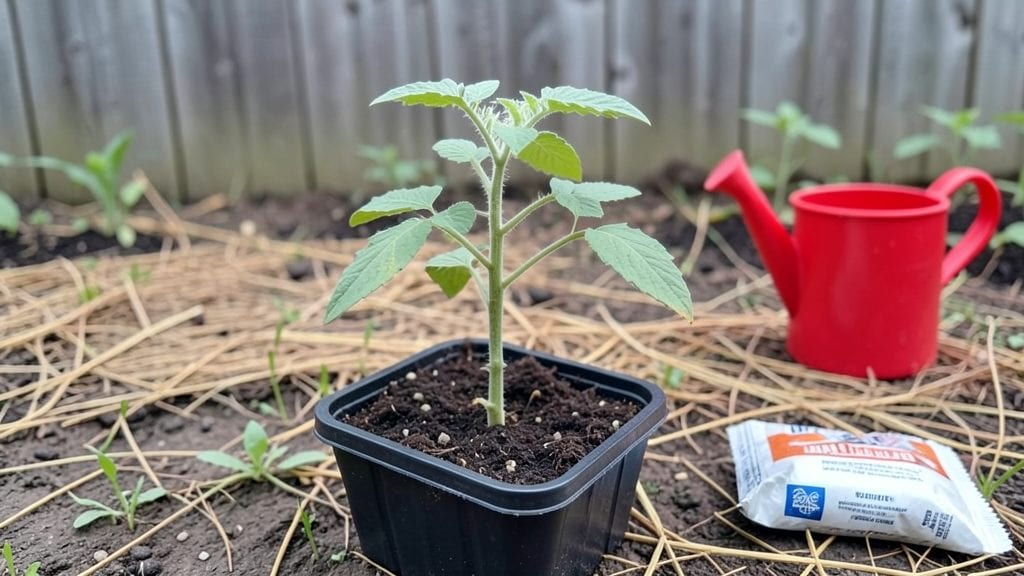
Growing strong seedlings starts with avoiding seedling growth mistakes that quietly sabotage their potential before they even sprout true leaves.
Your seedlings might be failing before they reach their full potential—and the culprits are often silent, overlooked mistakes that even experienced gardeners miss. A tiny misstep in watering, lighting, or soil can turn a thriving tray of 🌱 into a sad, stunted mess.
In Zone 6a, where spring planting begins in March, the stakes are higher. Too much water drowns roots, poor light stretches seedlings into weak stems, and inconsistent temperatures shock them into dormancy. These errors don’t just slow growth—they can kill seedlings before they even make it to the garden.
Here’s how to spot the warning signs, fix the most common blunders, and give your seedlings the strong start they deserve—without losing another batch to preventable pitfalls.


5 Common seedling growth mistakes that stunt plant development
Your seedlings might be failing before they even reach their full potential—and the culprits are often silent, overlooked mistakes that even experienced gardeners miss. These hidden issues sabotage growth at the root level, leading to weak stems, yellowing leaves, and stunted development.
Understanding these mistakes is the first step to saving your seedlings before it's too late.
As someone who's nursed countless seedlings from tiny sprouts to thriving plants, I've seen these growth killers time and time again. The good news? Most of these mistakes are easily preventable once you know what to watch for.
Let's dive into the five most destructive seedling mistakes and how they're secretly stunting your plants' progress.
Let's start with the most devastating mistake: overwatering. I can't tell you how many times I've seen gardeners drown their seedlings with good intentions. The problem begins when people assume seedlings need constant moisture like mature plants.
In reality, their shallow root systems can't handle excess water, leading to oxygen deprivation and fungal diseases.
I remember one spring when I watched a batch of tomato seedlings turn from vibrant green to mushy brown in just three days. The culprit? A watering schedule that kept the soil perpetually soggy.
The roots simply couldn't breathe, and the seedlings suffocated. This is why I always recommend the "finger test"—stick your finger an inch into the soil before watering.
Another silent killer is poor lighting, which creates those classic leggy seedlings reaching desperately toward any light source. I've seen gardeners place seedlings under regular household lamps, thinking any light would do.
But seedlings need 12-16 hours of bright, indirect light daily to develop properly. Without it, they become weak and prone to falling over.
For my herb seedlings, I use a combination of south-facing windows and grow lights on a timer. The lights provide consistent spectrum lighting, while the windows offer natural warmth during the day.
This balance has dramatically improved my success rate with delicate herbs like basil and cilantro, which are particularly sensitive to light conditions.
The third major mistake is improper temperature control. Seedlings are extremely sensitive to temperature fluctuations. I've seen gardeners place their seedling trays near drafty windows or air conditioning vents, causing sudden temperature drops.
These shocks can halt growth entirely or even kill young plants. The ideal range is 65-75°F during the day and slightly cooler at night.
One year, I learned this lesson the hard way when a cold snap dropped nighttime temperatures below 50°F. My pepper seedlings, which had been thriving, suddenly stopped growing. I had to move them to a heat mat under their trays to restore normal growth.
Now I always monitor temperatures closely and use clear plastic domes to create microclimates for sensitive seedlings.
Don't overlook the importance of soil quality either. Compacted or nutrient-poor soil can completely stall seedling development. I've seen gardeners reuse old potting mix without amending it, leading to root-bound seedlings that can't access the nutrients they need.
The solution? Always use fresh potting mix with perlite or vermiculite for proper drainage and aeration.
For my vegetable seedlings, I create custom mixes by combining potting soil with coconut coir and perlite. This combination provides the perfect balance of moisture retention and drainage. I've found that seedlings grown in this mix develop stronger root systems and grow more vigorously from the start.
Finally, nutrient imbalances can be just as damaging as deficiencies. Many gardeners make the mistake of fertilizing too early or using concentrated solutions. I've seen seedlings burn from over-fertilization, with crispy brown edges on their leaves.
The key is to use a balanced, diluted fertilizer (like 5-10-10) only after the seedlings have developed their first true leaves.
For my flower seedlings, I start with a very light application of fish emulsion in the watering can. This provides just enough nutrients without overwhelming the delicate young plants. Remember, seedlings are all about root development first—nutrients come second!
How to diagnose and fix seedling problems before it’s too late
Seedlings are delicate, and even small issues can spiral into major problems if ignored. Wilting leaves, yellowing stems, or stunted growth often signal trouble—but catching these signs early makes all the difference.
I’ve seen seedlings saved from the brink with simple adjustments, and I’ll show you how to spot and fix the most common issues before they become irreversible.
Don’t assume your seedlings are doomed if they’re struggling. Many problems stem from overwatering, poor lighting, or nutrient deficiencies. The key is acting fast.
Below, I’ll walk you through the warning signs and step-by-step fixes to revive your seedlings and set them on the path to healthy growth.
⚠️ Common Seedling Growth Mistakes
Overwatering: Soggy soil cuts off oxygen to roots, leading to root rot and yellowing leaves. Always check soil moisture with your finger—top 1 inch should be dry before watering again.
Insufficient Light: Leggy, pale seedlings are starving for bright indirect light. Move them within 2-3 feet of an east- or west-facing window or use a grow light for 12-16 hours daily.
Temperature Fluctuations: Seedlings thrive in 65-75°F during the day. Avoid drafts, heaters, or cold windowsills, which cause stunted growth or wilting.
If your seedlings are wilting, the first step is to check the soil moisture. Stick your finger 1 inch deep—if it’s damp, you’re likely overwatering. Let the soil dry slightly between waterings, and ensure pots have drainage holes to prevent waterlogging.
For underwatering, water gently at the base until moisture seeps from the bottom.
Yellowing leaves? This could signal overwatering, nutrient deficiency, or poor drainage. Start by adjusting your watering routine, then add a balanced fertilizer (like 5-10-10) diluted to half strength.
If the yellowing starts at the bottom, it’s often a sign of root stress—transplant gently into fresh, well-draining soil.
For stunted growth, focus on light and space. Crowded seedlings compete for nutrients, so thin them to 2-3 inches apart and provide bright indirect light. If they’re leggy, rotate the tray daily to ensure even growth and consider a grow light if natural light is insufficient.
Pests like aphids or fungus gnats can also halt growth. Inspect leaves for tiny insects or webbing, and treat with neem oil or insecticidal soap. For fungal issues, improve airflow by spacing seedlings wider and avoid overhead watering.
With these fixes, your seedlings can bounce back—just act quickly and monitor their progress daily. Healthy seedlings are your foundation for a thriving garden! 🌱