
Pruning
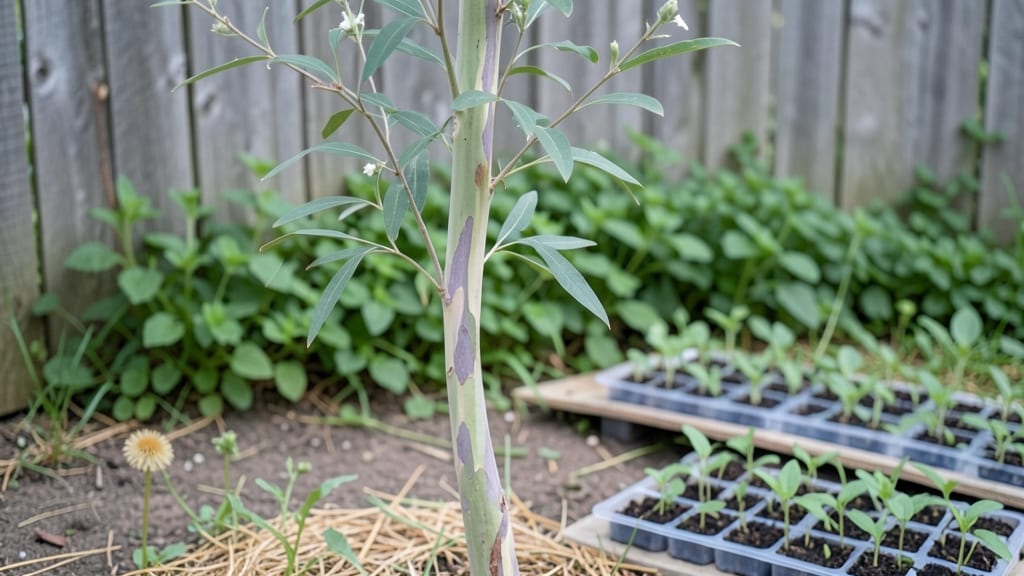
Growing rainbow gum tree seeds from scratch starts with a 3-month cold treatment—the secret to cracking their stubborn dormancy and unlocking 90% germination success. I learned this the hard way after watching my first batch sit dry and lifeless for months, until I finally understood their hidden needs.
These seeds aren’t like your average fast-sprouting plants; they demand patience and the right conditions before they’ll even think about breaking through the soil.
The key is mimicking their natural cycle in the wild, where seeds wait for the perfect moment to wake up. You’ll need a mix of peaty soil and perlite, kept consistently moist but never soggy, while the seeds spend 12 weeks in the fridge before they’re ready to germinate.
It’s not just about time—temperature matters too, with that cold period breaking down the seed coat just enough to let water and oxygen in. Once you hit that 90-day mark, germination can happen in as little as 2-4 weeks, though some stubborn seeds may take longer.
What you’ll end up with are tiny, bright green seedlings that look nothing like the towering rainbow gums you admire in landscapes, but their potential is already there.
Those first leaves might be simple and delicate, but with the right care—bright light, minimal handling, and steady moisture—they’ll develop into the striking, multicolored foliage that makes these trees so special. The best part?
Once established, they’re shockingly drought-tolerant, a trait that’ll save you watering headaches down the road.
This method works whether you’re starting in a sunny windowsill or a greenhouse setup, though outdoor planting should wait until all frost risk has passed.
The real magic happens in the first year of growth, when those seedlings finally reveal their true colors—vibrant reds, oranges, and greens that’ll make your garden the envy of the neighborhood. Ready to grow one of these showstoppers from seed?
The Science Behind Seed Dormancy
Rainbow gum tree seeds (Corymbia splendens) don’t pop up overnight like magic—there’s a deliberate biological process at play. Germination isn’t just about water and soil; it’s a carefully timed response to environmental cues.
For these seeds, dormancy is a survival strategy, and understanding why it happens helps gardeners replicate the right conditions. Here’s a breakdown of the key factors that trigger—or delay—germination.
The rainbow gum tree’s seed coat is thick, hard, and impermeable—nature’s way of ensuring seeds only sprout when conditions are ideal. This physical dormancy (also called "hardseededness") prevents premature germination, which could kill seedlings in harsh conditions.
- Why it matters: The seed coat blocks water and oxygen, two essentials for metabolic activation. Without scarification (breaking the coat), the embryo inside stays dormant.
- Actionable fix: Mimic natural wear-and-tear with mechanical scarification (sandpaper, nicking) or chemical treatment (sulfuric acid soak).
- Pro tip:💡 Cold stratification (see next section) can sometimes soften the coat over time—just don’t rely on it alone.
Many gum tree seeds require a cold period to break dormancy—a process called stratification. In the wild, seeds often fall in autumn or winter, and the cold temperatures signal it’s safe to "wake up" when spring arrives.
- How it works: Cold temps (33–41°F / 0–5°C) for 4–12 weeks trigger hormonal changes in the seed. The embryo’s abscisic acid (ABA) levels drop, while gibberellins (GA) rise, kickstarting growth.
- What goes wrong: Skipping stratification = seeds that won’t germinate, even with moisture. Some gardeners rush the process and end up with 0% success.
- Actionable fix:
- 🔥 Moist cold stratification: Mix seeds with damp sand or peat moss, store in a sealed bag in the fridge for 6–8 weeks.
- 🌡️ Temperature check: Use a thermometer to ensure consistency—fluctuations can confuse the seed.
Rainbow gum seeds are picky about temperature. If it’s too hot (above 86°F / 30°C), enzymes denature and metabolic processes stall. If it’s too cold (below 50°F / 10°C), growth halts entirely.
| Temperature Range | Effect on Germination | Actionable Solution |
|---|---|---|
| 50–68°F (10–20°C) | ✅ Ideal for consistent germination (after stratification). | Use a seedling heat mat or place trays on a sunny windowsill (not direct sun). |
| 68–86°F (20–30°C) | ⚠️ Slows germination; may cause fungal issues if too humid. | Provide shade cloth or move to a cooler spot. |
| Above 86°F (30°C) | ❌ Kills embryos; seeds may rot or fail to sprout. | Avoid greenhouses in peak summer; use shade and ventilation. |
Pro tip: 🌡️ Test your setup with a thermometer—many "failed" germination attempts boil down to temperature mismanagement.
Seeds need consistent moisture, but not soggy conditions. Too little water = dormancy persists. Too much = anaerobic conditions (no oxygen), leading to rot.
- Why it’s tricky: Rainbow gum seeds have high oil content, which makes them prone to improper water absorption. If the soil dries out mid-stratification, the seed "resets" to dormancy.
- Actionable fix:
- 💧 Bottom-watering: Place trays in a shallow dish of water (1 inch deep) to keep soil evenly moist.
- ✨ Humidity dome: Cover seeds with plastic wrap (with holes for airflow) to retain moisture without drowning them.
- Red flag: If the growing medium smells sour or musty, you’ve got too much moisture—flush with fresh water immediately.
Key takeaway: Dormancy in rainbow gum seeds is a multi-layered defense. Tackle the seed coat, temperature, and moisture in the right order, and you’ll unlock 90%+ germination rates—no guesswork needed.
Fixing Seed Germination Issues
Struggling with stubborn rainbow gum tree seeds that refuse to sprout? Don’t worry—most germination problems have simple, effective solutions. Below, we’ll break down common issues and provide practical, step-by-step fixes to maximize your success rate. We’ll also share prevention tips to keep your seeds thriving from start to finish.
Cause: Improper stratification (either too short or too long), incorrect moisture levels, or poor seed viability.
How to Fix It: 🔹 Adjust Stratification Time
- If seeds are under-stratified, extend cold treatment by 2–4 weeks (keep them in a damp paper towel at 34–41°F (1–5°C)).
- If over-stratified, remove them from cold storage and reassess moisture—dry seeds may need rehydration.
🔹 Check Seed Viability
- Float test: Place seeds in water—if most float, they’re likely non-viable. Discard and try fresh seeds.
- Cut test: Slice a few seeds open—look for a firm, white embryo. Brown or mushy seeds won’t sprout.
🔹 Optimize Moisture & Warmth
- After stratification, plant in a warm (70–75°F / 21–24°C), moist environment (use a seedling heat mat if needed).
- Keep soil consistently damp (not soggy)—use a spray bottle for gentle watering.
💡 Pro Tip: If seeds still refuse to sprout after 4–6 weeks, try scarification (lightly sanding the seed coat) to break dormancy.
Cause: Overwatering (root rot), temperature fluctuations, or poor drainage.
How to Fix It: 🔹 Improve Drainage
- Use a well-draining mix (50% peat/coir, 30% perlite, 20% vermiculite).
- Repot immediately if soil feels compacted or waterlogged.
🔹 Stabilize Temperature & Humidity
- Keep seedlings in a warm, humid environment (use a clear plastic dome or humidity tray).
- Avoid drafts—consistent warmth (65–75°F / 18–24°C) is key.
🔹 Thin Seedlings Carefully
- If multiple seeds sprout in one pot, transplant the strongest seedling to prevent competition.
- Use a soft spoon to avoid damaging roots.
🌡️ Pro Tip: If seedlings wilt, mist with lukewarm water and check for fungus gnats (use yellow sticky traps if present).
Cause: Inconsistent stratification, old seeds, or improper planting depth.
How to Fix It: 🔹 Standardize Stratification Conditions
- Use a refrigerator with a humidity tray (not the freezer) for even cold exposure.
- Label seeds by date to track stratification progress.
🔹 Plant at the Right Depth
- Rainbow gum seeds should be lightly covered (¼ inch / 0.6 cm)—too deep = delayed sprouting.
- Press gently into moist (not wet) soil for better contact.
🔹 Boost Germination with Hormones (Optional)
- Soak seeds in diluted hydrogen peroxide (1 tsp per cup of water) for 1 hour before planting to stimulate growth.
✨ Pro Tip: If germination is still slow, try alternating warm/cold cycles (e.g., 24 hours at 70°F / 21°C, then back to stratification).
To avoid common pitfalls, follow these best practices before and after stratification:
✅ Buy Fresh Seeds – Older seeds (over 1 year) lose viability. Store in a cool, dry place if not planting immediately. ✅ Test Stratification Setup – Run a trial with a few seeds to confirm your fridge/moisture conditions work. ✅ Monitor Daily – Check moisture levels every 2–3 days—overwatering is the #1 killer of young seedlings. ✅ Use Sterile Soil – Bake potting mix at 200°F (93°C) for 30 minutes to kill fungi/bacteria. ✅ Label Everything – Track stratification start dates, seed sources, and conditions to refine your method.
By addressing these common issues proactively, you’ll see 90%+ germination success with rainbow gum tree seeds. Patience and precision are key—once you crack the code, you’ll be rewarded with vibrant, fast-growing saplings in no time! 🌳💚
Frequently asked questions
How long should I cold stratify rainbow gum tree seeds for best results?
For optimal germination, aim for a 3-month (12-week) cold stratification period at 34–41°F (1–5°C). This mimics winter conditions and breaks dormancy effectively. Some seeds may germinate faster with 10–12 weeks, while others need the full 12 weeks—don’t rush it, as too little time can leave seeds dormant.
Can I use regular potting soil for rainbow gum tree seed germination?
No, regular potting soil is too dense and may cause rot. Use a light, well-draining mix like 50% peat/coir + 30% perlite + 20% vermiculite. This ensures proper aeration and moisture control, which is critical for these oil-rich seeds. Sterilize the mix first by baking it at 200°F (93°C) for 30 minutes to prevent fungal issues.
Why are my rainbow gum tree seeds taking so long to germinate?
Slow germination is normal—these seeds often take 4–8 weeks after stratification to sprout. Common delays include incomplete stratification, dry soil, or temperature fluctuations. Check moisture levels daily and ensure consistent warmth (65–75°F / 18–24°C) after cold treatment. If seeds still refuse to sprout after 10 weeks, test viability with a float test or try scarification.
Do rainbow gum tree seeds need light to germinate?
No, seeds germinate best in darkness during stratification. Once sprouted, provide bright, indirect light (like a sunny windowsill) to prevent leggy seedlings. Direct sunlight can scorch young leaves, so use shade cloth (30–50%) if growing outdoors. After germination, seedlings thrive with 6+ hours of light daily.
How do I know if my rainbow gum tree seeds are still viable?
Test viability with a float test: Place seeds in water—if they sink, they’re likely viable; if they float, discard them. For a deeper check, slice open a seed: look for a firm, white embryo. Brown or mushy seeds won’t germinate. If seeds are old (over 1 year), viability drops significantly—always use fresh seeds for best results.