
Pests
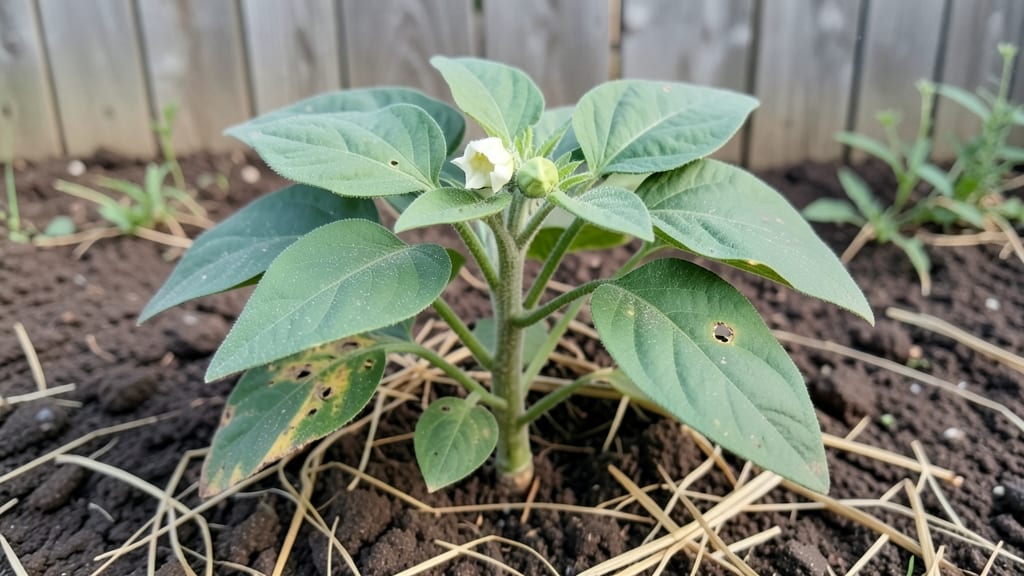
Pepper seedling leaves tell a story—one that often starts with frustration when tiny holes or yellow splotches appear overnight. 🌱 I’ve seen firsthand how a single infestation can derail a season’s worth of work, but those same leaves hold the secret to a pest-free garden when you know how to read them.
The key isn’t just spotting the damage; it’s understanding what’s really going on beneath the surface.
Most problems with pepper seedling leaves boil down to two things: hungry pests or unhappy plants. Aphids, spider mites, and flea beetles leave behind unmistakable signs—sticky residue, webbing, or skeletonized leaves—while overwatering or nutrient deficiencies show up as yellowing, curling, or stunted growth.
The good news? Each issue has a targeted fix, from neem oil sprays to adjusting your watering schedule. I’ve tested these solutions in my own garden, and they work even for beginners.
By the time you’re done, your seedlings won’t just survive—they’ll thrive with bold, glossy leaves that naturally deter pests. You’ll recognize the early warning signs before they become full-blown crises, and your plants will grow strong enough to fend off invaders on their own.
The best part? These fixes take less than 30 minutes and cost almost nothing.
Whether you’re battling an existing problem or just want to prevent one, this approach works for both indoor starts and outdoor beds. Let’s turn those stressed seedlings into the sturdiest, most resilient plants in your garden.
Root Causes Of Leaf Stress
Understanding why your pepper seedling leaves develop issues is the first step to fixing them—and preventing future problems. Below, we break down the most common culprits behind leaf distress, from environmental factors to biological threats, with clear explanations of why they happen.
Pepper seedlings are delicate, and their leaves react visibly when moisture or temperature levels swing too far from ideal. Here’s the science behind it:
- Overheating (🔥) Pepper seedlings thrive in 60–75°F (15–24°C). When exposed to direct sun, high humidity, or poor airflow, their leaves can wilting, yellowing, or crisping at the edges.
This happens because: - Excessive transpiration (water loss) outpaces root absorption. - Cell membranes degrade under heat stress, leading to oxidative damage (brown, scorched patches). - Stomata (leaf pores) close to conserve water, but this also blocks gas exchange, starving cells of CO₂.
- Underwatering (💧) Unlike mature peppers, seedlings have shallow root systems and dry out fast.
Signs like drooping, dry edges, or curled leaves mean: - Soil moisture drops below 30%—roots can’t absorb water efficiently. - Nutrient uptake halts, causing chlorosis (yellowing) as chlorophyll breaks down. - Cell turgor pressure drops, making leaves flaccid (limp).
💡 Pro Tip: Stick your finger 1 inch into the soil—if it’s dry, water deeply. Use drip irrigation or a moisture meter for precision.
Pepper seedlings are prime targets for pathogens when conditions favor their growth. Here’s how these invaders take hold:
- Powdery Mildew (🍄❄️)
- Cause: Erysiphe cichoracearum or Leveillula taurica thrive in high humidity (70%+) + poor airflow.
- Why it happens:
- Fungal spores land on leaves and germinate when free moisture lingers (e.g., dew, overhead watering).
- The fungus forms a white, powdery mycelium, blocking light and disrupting photosynthesis.
- Infected leaves yellow, curl, and drop, weakening the seedling.
- Damping-Off (💀🌱)
- Cause: Soil-borne Pythium or Phytophthora fungi attack young stems and leaves.
- Why it happens:
- Overly wet soil (from poor drainage or excessive watering) drowns roots, creating anaerobic conditions.
- Fungi release enzymes that break down cell walls, causing stem rot and leaf collapse.
- Seedlings may suddenly wilt and die without visible signs until it’s too late.
- Bacterial Leaf Spot (🦠🌿)
- Cause: Xanthomonas or Pseudomonas bacteria enter through wounds (e.g., pruning cuts, hail damage).
- Why it happens:
- Bacteria multiply in water droplets, spreading via splashing or tools.
- They produce toxins that destroy leaf tissue, creating greasy, water-soaked spots that turn brown.
- Infected areas oozes bacterial slime when wet.
⚠️ Warning: Fungal/bacterial issues spread fast—remove infected seedlings immediately and sterilize tools with 70% isopropyl alcohol.
Pests don’t just nibble—they inject toxins, suck sap, or lay eggs that trigger leaf damage. Here’s how they sabotage your seedlings:
| Pest | Damage Mechanism | Leaf Symptoms | Why It Happens |
|---|---|---|---|
| Aphids (🐜) | Pierce leaves to suck sap, injecting toxic saliva. | Sticky honeydew, curled/yellowed leaves, stunted growth. | Cluster in new growth where tender leaves are easy to penetrate. |
| Spider Mites (🕷️) | Feed on chlorophyll, causing cell death. | Tiny yellow dots, fine webbing, bronzing (silver-gray patches). | Thrive in dry, hot conditions—they desiccate leaves while feeding. |
| Caterpillars (🐛) | Chewing leaves leaves ragged edges or holes. | Irregular tears, frass (poop), sudden defoliation. | Larvae prefer young, soft leaves—they mimic leaf texture to hide. |
| Thrips (🐝) | Scrape cells with serrated mouthparts. | Silver streaks, distorted growth, buds fail to open. | Spread via wind and thrive in greenhouses (high CO₂ + humidity). |
🔥 Hotspot Alert: Seedlings are most vulnerable in the first 4–6 weeks—inspect leaves daily under a magnifying glass!
Pepper seedlings need a balanced diet, but imbalances cause leaf-specific symptoms. Here’s the breakdown:
- Nitrogen (N) Deficiency (🟢→🟡)
- Why it happens: Nitrogen is mobile in plants, so older leaves yellow first (chlorosis) when soil lacks it.
- Leaf signs: Lower leaves turn yellow while veins stay green. Growth stalls.
- Fix: Use balanced fertilizer (10-10-10) or compost tea.
- Potassium (K) Deficiency (🔥)
- Why it happens: Potassium regulates water and disease resistance. Deficiency weakens cell membranes.
- Leaf signs: Yellowing at leaf edges (but green veins), weak stems, scorched tips.
- Fix: Apply potassium sulfate or banana peel tea.
- Magnesium (Mg) Deficiency (🌿)
- Why it happens: Magnesium is central to chlorophyll. It’s immobile, so older leaves suffer first.
- Leaf signs: Interveinal chlorosis (yellow between veins), necrotic spots.
- Fix: Epsom salt (1 tbsp/gallon water) sprayed on leaves.
- Toxicities (🚨)
- Too much salt (from fertilizers): Brown, crispy edges (osmotic stress).
- Excess boron: Spotted, brittle leaves (boron disrupts cell walls).
- Fix: Flush soil with water and test pH (ideal: 6.0–6.8).
Even indirect factors can trigger leaf problems. Here’s how:
- Wind Burn (💨)
- Why it happens: Strong winds desiccate leaves by increasing transpiration rates.
- Leaf signs: Dry, papery edges, bleached patches.
- Fix: Use windbreaks (e.g., burlap screens) or mulch to retain moisture.
- Cold Stress (❄️)
- Why it happens: Temperatures below 50°F (10°C) damage cell membranes, causing oxidative stress.
- Leaf signs: Blackened, mushy spots, wilting.
- Fix: Row covers or heat mats for young seedlings.
- Light Stress (☀️)
- Too much sun: Sunburn (white/yellow patches).
- Too little light: Leggy, pale leaves (etiolation).
- Fix: Gradual hardening (acclimate to sun) or shade cloth (30–50% block).
Reviving Your Pepper Seedlings
When your pepper seedling leaves show signs of distress—whether from pests, disease, or environmental stress—quick action can turn things around. Below are practical, step-by-step solutions tailored to common issues, along with prevention tips to keep your seedlings thriving.
If you spot chewed leaves, webbing, or tiny bugs on your seedlings, pests are likely the culprit.
🔥 Identify the Pest First
- Aphids (tiny green/black bugs clustering on leaves)
- Spider mites (fine webbing, speckled leaves)
- Caterpillars (ragged holes in leaves)
- Fungus gnats (tiny black flies near soil)
🍳 Natural Pest Control Methods
- Neem Oil Spray (🌿 Best for aphids & mites)
- Mix 1 tsp neem oil + 1 tsp mild soap + 1 quart water.
- Spray directly on pests (avoid seedlings’ stems).
- Reapply every 3–5 days until pests vanish.
- Insecticidal Soap (🧼 Fast-acting for soft-bodied bugs)
- Use a store-bought or homemade (1 tbsp castile soap + 1 quart water).
- Spray until leaves glisten, focusing on undersides.
- Handpicking & Diatomaceous Earth (🪰 For caterpillars & beetles)
- Pick off large pests (drop in soapy water).
- Sprinkle food-grade diatomaceous earth around seedlings (reapply after rain).
- Beneficial Insects (🐞 Long-term prevention)
- Release ladybugs (aphids) or lacewings (soft-bodied pests) near seedlings.
💡 Prevention Tips
- Yellow sticky traps near seedlings to catch flying pests.
- Avoid overwatering (fungus gnats love damp soil).
- Rotate crops if pests persist year after year.
If leaves turn yellow, brown, or develop moldy spots, fungal infections (like damping off, powdery mildew, or blight) may be to blame.
🥘 Fungal Treatment Steps
- Remove Infected Leaves (✂️ Stop the spread)
- Snip off yellow/brown leaves with clean scissors.
- Dispose of them away from the garden (not compost).
- Fungicide Spray (🍄 Copper-based or baking soda mix)
- Baking soda spray: 1 tsp baking soda + 1 quart water + a drop of dish soap (spray every 7–10 days).
- Commercial fungicide (follow label instructions).
- Improve Airflow (🌬️ Prevents humidity buildup)
- Space seedlings 2–3 inches apart.
- Use a small fan on low setting for 1–2 hours daily (mimics wind).
- Sterilize Tools & Soil (🧼 Breaks the infection cycle)
- Wash pots/tools with 10% bleach solution (1 part bleach, 9 parts water).
- Replace contaminated soil with fresh, sterile mix.
✨ Prevention Tips
- Water at the base (avoid wetting leaves).
- Use well-draining soil (add perlite or vermiculite).
- Rotate crops to prevent soil-borne fungi.
If leaves look droopy, curled, or stunted without pests or disease, environmental factors are likely the issue.
🔪 Fixing Environmental Stress
- Check Watering Habits (💧 Too much or too little?)
- Underwatering: Soil feels dry 1 inch deep → water deeply.
- Overwatering: Soil stays soggy → let dry slightly between waterings.
- Adjust Light Exposure (☀️ Too much sun or shade?)
- Leggy seedlings? Move to brighter spot (but avoid direct midday sun).
- Yellow lower leaves? Needs more indirect light.
- Temperature & Humidity Control (🌡️ Ideal: 70–80°F, 40–60% humidity)
- Too cold? Move indoors near a sunny window.
- Too hot/dry? Mist leaves lightly or use a humidity tray.
- Fertilizer Burn Check (🧪 Too much nutrients?)
- Brown leaf tips? Flush soil with water to dilute excess salts.
- Switch to balanced, diluted fertilizer (half-strength).
🎯 Prevention Tips
- Acclimate seedlings gradually to outdoor conditions (hardening off).
- Use grow lights if natural light is insufficient.
- Monitor weather—protect from frost or extreme heat.
| Problem | Fix It Fast | Prevent Next Time |
|---|---|---|
| Pests | Spray neem oil + handpick bugs | Yellow traps + beneficial insects |
| Fungal Spots | Remove leaves + copper spray | Sterilize tools + improve airflow |
| Wilting | Check water + light exposure | Use moisture meter + adjust care |
| Leggy Growth | Move to brighter light | Use grow lights if needed |
Pro Tip: 💡 When in doubt, isolate affected seedlings to prevent cross-contamination. Most issues improve within 3–7 days with consistent care!
Frequently asked questions about pepper seedling leaves
Why are my pepper seedling leaves turning yellow?
Yellowing leaves usually signal nutrient deficiencies or overwatering. Check if older leaves yellow first (likely nitrogen deficiency) or if edges brown (possible potassium deficiency or fertilizer burn). Test soil moisture—if soggy, reduce watering to prevent root rot.
What do tiny holes in pepper seedling leaves mean?
Those holes are classic signs of chewing pests like flea beetles or caterpillars. Handpick larger pests or spray with neem oil mixed with soap (1 tsp each per quart of water). For severe cases, cover seedlings with fine mesh to block adult beetles from laying eggs.
Can I save pepper seedlings with brown, crispy leaf edges?
Yes! This often means underwatering or high salt buildup from fertilizer. Flush soil with water to remove excess salts, then adjust to water only when the top 1 inch of soil feels dry. Move seedlings to shadier conditions if they're getting too much direct sun.
How do I prevent powdery mildew on pepper seedling leaves?
Powdery mildew thrives in humid, stagnant air. Improve airflow by spacing seedlings 2-3 inches apart and using a small fan for 1-2 hours daily. Spray leaves preventatively with a baking soda mix (1 tsp baking soda + 1 quart water + drop of soap) every 7-10 days. Water at the base, never overhead.
Are curled pepper seedling leaves always a pest problem?
Not always! Curling can also mean underwatering, heat stress, or aphid infestations. First check soil moisture—if dry, water deeply. Look for sticky residue (honeydew) on leaves (aphids) or fine webbing (spider mites). If no pests, move seedlings to cooler, more humid conditions.