Plants
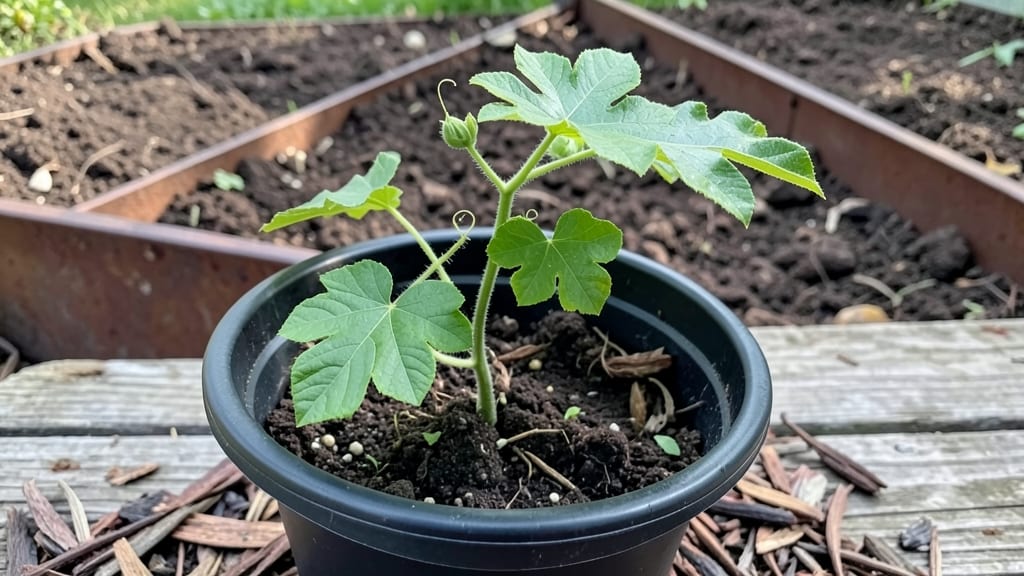
Starting a passion vine seedling from scratch is the first step toward a lush, year-round privacy screen that outshines any fence. 🌿 I’ve watched mine climb 15 feet in just two seasons, and the key isn’t luck—it’s knowing when to water, how to trellis, and when to let those vines stretch without restraint.
The payoff? A vibrant green curtain that blooms with exotic flowers and thrives even in winter’s chill.
You’ll need a sunny spot with at least 6 hours of direct light daily, a well-draining potting mix, and a sturdy trellis or fence to guide those vigorous vines. Passion vines are heavy feeders, so I mix in compost at planting and fertilize lightly every 4-6 weeks once established.
The first few weeks are critical—keep soil consistently moist but never soggy, or those seedlings will rot before they even get a chance to climb.
Leggy seedlings are the biggest rookie mistake, but it’s easy to fix. If yours stretch too tall before developing leaves, bury the stem deeper or move them closer to light.
By the time they’re 12-18 inches tall, you’ll transplant them into the ground or a larger container, where they’ll take off like a rocket. The first year is about building roots; by year two, you’ll see those vines race toward the sky.
This works for fences, arbors, or even balcony trellises—just adjust the support structure to match your space. The secret to long-term success? Prune in late winter to shape growth and remove dead vines, and watch your privacy screen thicken every season. Ready to grow one that’ll outlast any store-bought screen?
📚 In This Guide
- What you need
- Instructions
- Tips and common mistakes
- Wrapping up and next steps
What you need
- ● Passion vine seeds – 5–10 seeds (or 1–2 seedlings from a nursery for faster growth). Opt for Passiflora incarnata (Maypop) or Passiflora caerulea (Blue Passionflower) for best results.
- ● Well-draining potting mix – 5–10 gallons (depending on container size). Use a blend of 50% peat moss or coconut coir, 30% perlite or vermiculite, and 20% compost.
- ● Containers or garden bed – For seedlings: 4–6 inch pots (3–5 containers) or biodegradable seedling trays.
- ● For transplanting: 1–2 gallon containers or a sunny, well-draining garden spot (6+ inches deep).
- ● Slow-release fertilizer – 1–2 cups of balanced 10-10-10 or 5-10-5 (organic options like fish emulsion work too!).
- ● Gloves – 1 pair (to protect hands from thorns and soil).
- ● Trowel or small shovel – For planting and transplanting.
- ● Spray bottle – For gentle watering of seeds.
- ○ Misting system or humidifier – Optional but helpful for maintaining humidity (especially in dry climates).
- ○ Trellis or sturdy support – Optional (install once seedlings are 12+ inches tall). Use metal or wooden lattice (4–6 feet tall).
- ○ Pruning shears – Optional for shaping vines later.
- ● Sunlight access – 6+ hours of direct sun daily (or grow lights for indoor starters).
- ● Watering can – With a fine rose nozzle for gentle watering.
- ● 🌡️ Temperature: Keep soil between 65–75°F for germination (use a heat mat if needed).
- ● ✨ Thorns: Passion vines are spiky—wear long sleeves and eye protection when handling!
- ● 🎯 Patience: Seedlings may take 2–4 weeks to sprout. Stay consistent with moisture!
Step-by-step instructions for growing passion vine seedlings
Here's how to turn tiny seeds into a lush, evergreen privacy screen that thrives year-round.
🌱 Step 1: Start Seeds Indoors in Warmth
Fill small pots with the seed-starting mix (about 2 inches deep) and moisten it until damp but not soggy. Passion vine seeds need warmth to germinate—place pots on a seedling heat mat set to 75-80°F. Scatter 2-3 seeds per pot (they're tiny, so a toothpick helps) just below the soil surface—don't bury them deep.
Cover the pots with clear plastic wrap to trap moisture and warmth. Check daily for condensation—if it disappears, mist the soil lightly. Germination takes 10-21 days, but patience pays off. Once sprouts appear, remove the plastic immediately to prevent fungal growth. You'll see the first true leaves emerge in 2-3 weeks—that's your cue to start hardening off.
☀️ Step 2: Transition Seedlings to Bright, Indirect Light
Move seedlings to a south-facing window or under grow lights (14-16 hours daily). Passion vines need bright light but can scorch in direct midday sun. If leaves yellow or stretch toward the light, your seedlings need more intensity. I raise my grow light 2-3 inches above the plants and adjust weekly as they grow.
Rotate pots quarter-turn daily so seedlings grow straight, not lopsided. Water when the top inch of soil feels dry—overwatering causes root rot, and passion vines hate soggy roots. You'll know moisture is right when the soil looks slightly damp but not glistening.
🪴 Step 3: Transplant to Larger Containers
After 4-6 weeks, when seedlings have 3-4 sets of leaves, transfer them to 5-gallon containers filled with well-draining potting mix. Dig a hole twice as wide as the root ball and place the seedling in, firming soil around the base. Passion vines grow fast, so bigger pots prevent root binding.
Water deeply after transplanting to settle the soil. Place containers in a sheltered spot outdoors for 1 week to acclimate before permanent planting. If frost threatens, keep seedlings indoors near a bright window—passion vines tolerate cooler temps but not freezing.
✂️ Step 4: Prune and Train for a Dense Screen
Once established, prune passion vines twice yearly—after flowering in spring and again in late summer. Cut back leggy growth by one-third to encourage bushier growth. I tie main vines to a trellis or fence using soft twine, guiding them upward to create a thick privacy barrier.
Fertilize lightly in spring with balanced fertilizer (10-10-10) to support new growth. Passion vines are drought-tolerant once mature, but young plants need weekly watering during dry spells. You'll see vigorous new shoots within 4-6 weeks—that's your signal the plant is thriving.
🌿 Step 5: Maintain Year-Round Growth
Passion vines stay evergreen in mild climates but may drop leaves in winter. Mulch around the base with 2-3 inches of organic mulch to protect roots and retain moisture. Prune lightly in early spring to shape the screen and remove dead growth.
Watch for pests like aphids or spider mites—spray affected areas with neem oil if needed. With proper care, your passion vine will fill a 6-foot-tall trellis in 3 years, providing lush, year-round privacy with minimal effort.
Tips & tricks for perfect passion vine seedlings
Here's what I learned the hard way about growing these fast-growing privacy plants from tiny seeds.
The Heat Factor: Those 75-80°F temperatures on your seedling heat mat are non-negotiable for germination. I learned this after my first batch sat too cool for weeks—just a few degrees difference can delay sprouting by days. Place your pots on top of the heat mat rather than beside it to ensure even warmth. If you don't have a heat mat, try placing pots on top of your refrigerator (not inside) for gentle warmth.
Lighting Strategy: For the 14-16 hours of daily light, position your grow lights 2-3 inches above the seedlings and adjust weekly as they grow. I noticed my seedlings stretching toward the light when they needed more intensity. If you see yellowing leaves or elongated stems, raise the lights another inch or move to a brighter window spot immediately.
Transplanting Timing: Wait until you see 3-4 sets of leaves before transplanting to larger containers—this usually happens within 4-6 weeks. I made the mistake of rushing this step with my first batch, and the seedlings struggled to recover. The key is letting them develop strong root systems before disturbing them again.
Watering Wisdom: Passion vines hate soggy roots, so always check the top inch of soil before watering. I use my finger to test moisture—if it feels dry at that depth, it's time to water. After transplanting, water deeply to settle the soil, but avoid letting containers sit in standing water. This simple check prevents the most common transplant shock.
Pro Tips for Passion Vine Seedling
- Here's what I learned the hard way about growing these fast-growing privacy plants from tiny seeds.
- The Heat Factor: Those 75-80°F temperatures on your seedling heat mat are non-negotiable for germination.
- Lighting Strategy: For the 14-16 hours of daily light, position your grow lights 2-3 inches above the seedlings and adjust weekly as they grow.
Frequently asked questions
Got questions about growing passion vine seedlings into a lush, year-round privacy screen? You’re not alone! Here are answers to the most common queries to help you succeed.
How long does it take for a passion vine seedling to grow into a privacy screen?
A passion vine seedling can create a dense privacy screen in 3–5 years with proper care. Fast-growing varieties like Passiflora caerulea (blue passionflower) may reach 10–20 feet per year if trained on a trellis or fence. Patience pays off—think of it as a long-term investment in natural beauty!
When is the best time to plant passion vine seedlings?
Plant seedlings in spring or early summer after the last frost when soil temperatures are consistently above 60°F (15°C). This gives roots time to establish before winter. If you’re in a mild climate, fall planting (4–6 weeks before frost) also works—just protect young plants with mulch.
Can I grow passion vine from seed instead of buying seedlings?
Yes! Passion vine seeds germinate easily, but seedlings may take 1–2 years to flower and grow vigorously. For faster results, opt for rooted cuttings or nursery seedlings (1–2 years old). If starting from seed, soak seeds in warm water for 24 hours to speed up germination. Pro tip: Use a heat mat for quicker sprouting!
What pests or diseases should I watch for with passion vine seedlings?
Common issues include:
- Aphids (sap-sucking insects)—spray with soapy water or introduce ladybugs.
- Spider mites (tiny webs)—mist plants regularly to deter them.
- Fungal diseases (like powdery mildew)—ensure good airflow and avoid overhead watering.
- Root rot—plant in well-draining soil and avoid soggy conditions.
How do I train passion vine seedlings to grow upward on a trellis?
Use soft ties or twine to gently guide vines onto a trellis, fence, or pergola as they grow. Prune leggy growth to encourage bushier, upward growth. Rotate the trellis occasionally to prevent vines from leaning one way. For aggressive growers, trim back 1/3 of new growth in late winter to control sprawl. Think of it like teaching a toddler to climb—patience and support win the race!
Will passion vine survive winter in cold climates?
Most passion vines are tender perennials and die back in frost but regrow from roots in spring. In zones 6–9, mulch heavily (4–6 inches) and protect young plants with burlap wraps. Hardy varieties like Passiflora incarnata (maypop) tolerate down to 0°F (-18°C). In colder areas, grow in containers and overwinter indoors.
Wrapping up and next steps
Growing a passion vine seedling into a lush, year-round privacy screen is not just possible—it’s a rewarding journey that transforms your outdoor space with natural beauty and sustainability. 🌿 With the right soil, sunlight, and care, you’ll enjoy vibrant foliage and fragrant blooms in just three years.
Don’t wait—start your seedlings today and watch your green oasis flourish!
Ready to take the next step? Plant your first seedling this season and share your progress with fellow gardening enthusiasts. Whether you’re a beginner or a seasoned pro, every vine you nurture brings you closer to that dream privacy screen! 🌱