
Lawn
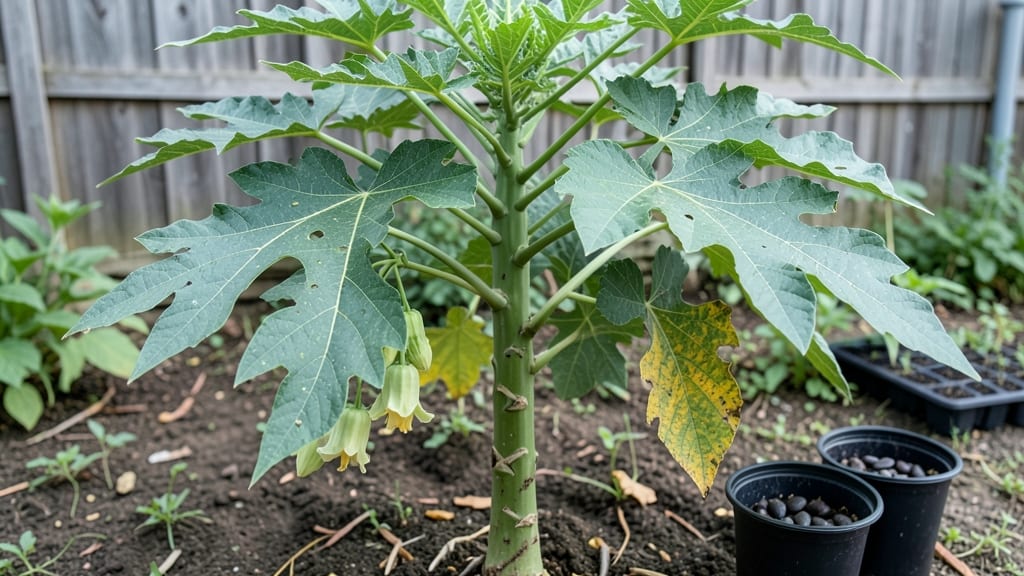
Growing papaya trees from seed starts with a speed-germination hack that cuts weeks off the waiting game. 🌱 I cracked this trick after struggling with slow papaya seeds—until I discovered the paper towel method works like magic for tropical seeds.
The secret lies in creating the right moisture and warmth without drowning the seed, and it’s foolproof once you know the steps.
You’ll need just three supplies: a plastic bag, damp paper towels, and patience. The process mimics the tropical conditions papaya seeds crave—warm, humid, and cozy. Most seeds sprout within 5-7 days using this method, compared to the weeks it takes in soil.
That means faster growth, stronger seedlings, and a head start on your tropical dream tree.
Once those first green sprouts appear, you’ll transition them to soil with confidence. The early care is simple: bright indirect light, consistent moisture, and a little extra warmth if your climate runs cool.
Within a month, you’ll have sturdy seedlings ready for transplanting—no more waiting months for germination to happen on its own.
This method works equally well for beginners and seasoned growers, whether you’re starting indoors or in a warm greenhouse. The key is consistency—keep those paper towels damp but not soggy, and watch as your papaya seeds burst into life faster than you’d expect. Ready to skip the waiting game?
📚 In This Guide
- What you need
- Instructions
- Tips and common mistakes
- Wrapping up and next steps
What you need
- ● Papaya tree seeds: 3–5 fresh, viable seeds (preferably from a ripe, organic papaya). Pro tip: If seeds are dried out, soak them in warm water for 24 hours before starting!
- ● Paper towels or coffee filters: 2–3 sheets (unbleached, seed-free). Why? They hold moisture without chemicals that could harm germination.
- ○ Plastic zip-top bags: 1–2 quart-sized bags (with a small hole for airflow). Optional: Use a clear bag to monitor moisture levels easily.
- ● Spray bottle (fine mist): 1 (for gentle hydration). Avoid over-saturating—seeds need moisture, not sogginess!
- ● Small seedling trays or pots: 2–3 (3–4 inches deep) with drainage holes. Tip: Use biodegradable pots for easy transplanting later.
- ● Well-draining potting mix: 1–2 bags (lightweight, peat-based or coconut coir blend). Avoid: Garden soil—it’s too dense for young roots.
- ○ Heat source (optional but helpful): Seedling heat mat (90–95°F range) or
- ● Sunny windowsill (70°F+) or
- ● Incandescent bulb (placed 6 inches above seeds).
- ● Humidity dome or plastic wrap: 1 (to retain moisture during early growth). Remove once sprouts appear!
- ● Patience: Germination can take 2–4 weeks (or longer for some varieties). Stay consistent!
- ● Warmth: Papaya seeds thrive in 75–90°F conditions. If your home is cooler, a heat mat is a game-changer.
- ● Bright, indirect light: Once sprouted, seedlings need 6+ hours of light daily. A grow light works if natural light is limited.
- ● Space for transplanting: Papaya trees grow 10–30 feet tall—plan for outdoor planting (or a large container) if indoors.
Step-by-step instructions for germinating papaya tree seeds
Here's how to coax those stubborn papaya seeds to sprout in just days instead of weeks.
🌱 Step 1: Prep Seeds With the Paper Towel Trick
Start by placing 4 papaya seeds between two damp paper towels—fold the towels so they're snug but not compressed. The paper towels should feel like a wrung-out sponge: damp but not dripping. I like to lay them flat on a plate or shallow tray so they don't dry out unevenly.
Cover the whole setup with plastic wrap to lock in moisture, then place it in a warm spot. A sunny windowsill or on top of a fridge works best. You'll see the first signs of germination in 3-5 days—tiny white roots breaking through the seed coat. This trick skips the waiting game by giving seeds the perfect moisture and warmth to wake up fast.
💧 Step 2: Monitor Moisture and Transplant at the Right Time
Check the paper towels daily. If they feel dry to the touch, mist lightly with water and rewrap. Overwatering here is impossible, but letting them dry out completely will kill your sprouts. You'll know it's time to transplant when you see 1-2 inch long roots and the first signs of a tiny green shoot.
Gently remove each seedling from the paper towel, being careful not to damage those delicate roots. I use a butter knife to lift them out—just slide it under the towel and lift. The goal is to keep the root system intact so the seedling doesn't go into shock when you plant it in soil.
🪴 Step 3: Plant in Well-Draining Soil Mix
Fill small pots (about 3-4 inches deep) with a mix of 50% potting soil and 50% perlite—this ensures excellent drainage, which papayas love. Make a small hole about ½ inch deep in the center of each pot. The hole should be just big enough to accommodate the seedling's root without bending it.
Place the seedling in the hole, then cover the roots lightly with soil. Press down gently around the base to secure it. Water lightly until the soil feels moist but not soggy. Papaya seedlings are sensitive to waterlogged roots, so resist the urge to give them a big drink right away. You'll know you've done it right when the soil looks evenly damp but not wet.
☀️ Step 4: Provide Warmth and Bright Light
Keep the pots in a warm spot with bright, indirect light for the first week. A south-facing window with sheer curtains works well. Papayas thrive in warmth, so aim to keep the soil temperature around 75-85°F. If your home runs cooler, consider using a seedling heat mat to give them that extra boost.
After a week, gradually introduce more direct sunlight. You'll see the seedlings respond by growing faster and developing deeper green leaves. If you notice the leaves turning pale or the stems stretching toward the light, it's time to move them closer to the window or under a grow light. Strong, healthy seedlings will have thick stems and leaves spaced about 1 inch apart.
⏰ Step 5: Transplant When Ready for Larger Growth
Once seedlings reach about 4-6 inches tall and have developed their first true leaves (not the initial seed leaves), it's time to transplant them into larger containers. Choose pots that are at least 6 inches deep to give their roots room to grow. Use the same well-draining soil mix to prevent root rot.
Water the seedlings thoroughly before transplanting to reduce shock. Handle them by their leaves rather than the stems to avoid damaging the delicate growth. After transplanting, place them back in their warm, bright spot and keep the soil consistently moist but never soggy. With proper care, you'll see vigorous new growth within a few weeks, signaling that your papaya seedlings are thriving.
Tips & tricks for speed-germinating papaya tree seeds
Real talk: These little seeds can be finicky, but with a few insider tricks, you'll have sprouts breaking through in record time. Here's what nobody tells you about getting those papaya seeds to cooperate.
Paper Towel Prep Secret: The key to that "wrung-out sponge" dampness is using two layers of paper towels instead of one. Single layers dry out faster, and you don't want to be playing catch-up with moisture checks. Also, place the seeds flat side down—this helps the root emerge more easily toward the towel. I've tried stacking them vertically, and it just slows down germination.
Warmth Hack: If your home runs cooler than 75-85°F, don't just rely on a sunny windowsill. Place your seed setup on top of your fridge or next to a warm appliance like a microwave. The heat from these spots creates the perfect microclimate. I've seen germination times cut in half using this trick—from 5 days to just 3! Just be careful not to let the towels get too hot to the touch.
Transplant Timing Tip: Those 1-2 inch long roots are your cue, but don't wait until they're pushing against the towel edges. The perfect moment is when you see tiny white roots AND the first hint of green shoot. This balance means the seedling has enough energy stored to survive the transplant shock. I've lost count of seedlings that were transplanted too early—roots would dry out before the shoot could grow.
Soil Mix Upgrade: While the 50% potting soil/50% perlite mix works great, I've found adding 10% coconut coir to the mix helps retain just enough moisture without risking soggy roots. The coir also mimics the tropical conditions papayas love. Just make sure your pots have drainage holes—papaya roots hate sitting in wetness!
Pro Tips for Papaya Tree Seed
- Real talk: These little seeds can be finicky, but with a few insider tricks, you'll have sprouts breaking through in record time.
- Paper Towel Prep Secret: The key to that "wrung-out sponge" dampness is using two layers of paper towels instead of one.
- Warmth Hack: If your home runs cooler than 75-85°F, don't just rely on a sunny windowsill.
Frequently asked questions
Got questions about growing papaya trees from seed?
You’re not alone! Here are answers to the most common queries—so you can skip the guesswork and get straight to sprouting those tropical gems.
How long does it take for papaya tree seeds to germinate?
With the paper towel trick, you’ll see sprouts in 3–7 days—sometimes even faster! After transferring to soil, expect roots and leaves to appear in 2–4 weeks. Patience is key, but warm, moist conditions speed things up. Pro tip: Keep seeds in a sealed plastic bag to trap humidity and watch for the first crack!
Can I plant papaya seeds directly in the ground without pre-sprouting?
Yes, but germination may take 2–6 weeks (or longer in cooler climates). Pre-sprouting with the paper towel method gives you a 90%+ success rate vs. 50–70% for direct planting. If you skip pre-sprouting, plant seeds ½ inch deep in well-draining soil and keep them warm (70–90°F).
What’s the best temperature for germinating papaya seeds?
Papaya seeds thrive in warmth (75–90°F). Use a seedling heat mat (set to 80°F) or place the paper towel setup near a sunny window or under a grow light. Cold drafts or temps below 60°F can stall germination. Hot tip: A sunny windowsill in summer often does the trick!
Why aren’t my papaya seeds sprouting? Troubleshooting 101
Check these common culprits:
- Dry seeds: Soak them in warm water for 24 hours before starting.
- Old seeds: Use seeds from fresh fruit (max 1–2 weeks old).
- Poor moisture: Keep the paper towel damp (not soggy).
- Cold temps: Move seeds to a warmer spot (e.g., near a lamp).
- Low oxygen: If using a sealed bag, open it daily for 5 mins.
Can I grow a papaya tree indoors or just outdoors?
Papayas love warmth, so outdoors in tropical/subtropical zones (USDA 10–12) is ideal. But with a south-facing window + grow lights, you can grow them indoors year-round. Just ensure they get 6+ hours of light daily and move them outside when temps rise above 50°F. Dwarf varieties (like ‘SunUp’) adapt better to containers!
Wrapping up and next steps
Growing papaya trees from seed is a rewarding journey—especially when you harness the paper towel trick to speed up germination! 🌱 With patience and the right care, you’ll soon enjoy fresh, tropical fruit right from your backyard.
Whether you’re a seasoned gardener or just starting, this method makes it easier than ever to nurture your own papaya tree.
Ready to take the next step? Plant those sprouted seeds in well-draining soil, keep them warm, and watch your garden thrive. Happy growing—your future harvest awaits! 🌿✨