
How To
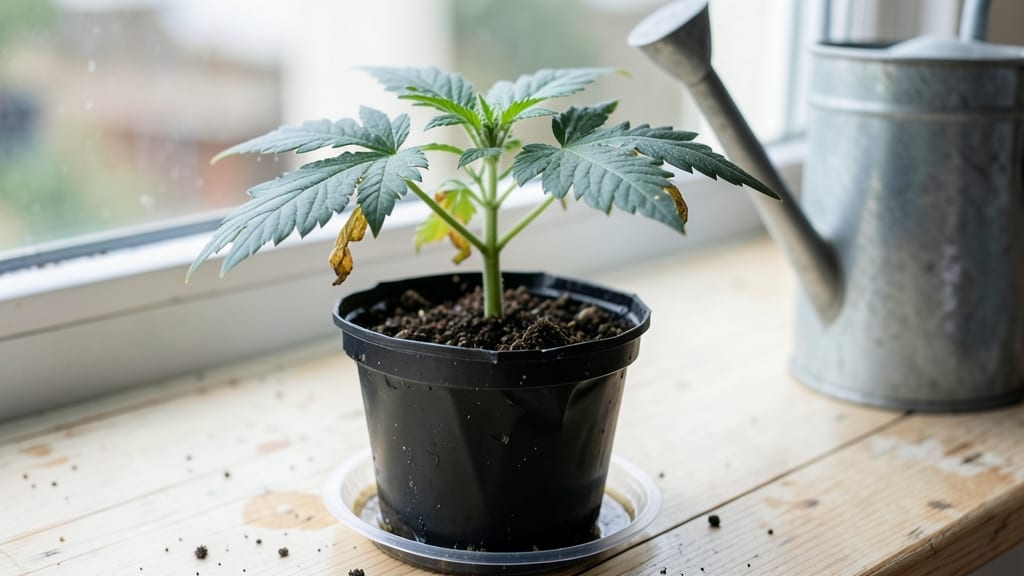
Overwatered autoflower seedlings are a nightmare—yellowing leaves, moldy soil, and roots that drown before they even get a chance to thrive. 🌱 I’ve pulled mine back from the brink more times than I’d like to admit, and the key is acting fast before the roots suffocate.
These plants grow like rockets, but their roots can’t handle soggy soil for long.
The first sign? Leaves that turn yellow or mushy, or stems that wilt even when the soil looks wet. Mold on the surface or a foul smell means it’s already bad.
Autoflowers are different from photoperiod plants—they bolt quickly, so overwatering cuts their short growing window even shorter. The fix starts with stopping water immediately and giving the roots space to breathe.
Within 24 hours, you’ll see the first signs of recovery if you’ve adjusted watering and improved drainage. Let the top inch of soil dry out between waterings, use a pot with drainage holes, and consider mixing in perlite or coco coir to help roots recover.
By stage 3, your seedling should be perking up with fresh green growth, ready to keep growing strong.
Prevention is all about routine checks and the right setup. Stick your finger in the soil before watering—if it’s damp below an inch, wait. Autoflowers need consistency, not guesswork.
With these adjustments, you’ll avoid the panic of a soggy seedling and keep your plants on track for a bountiful harvest.
Root of the Problem
Understanding why your autoflower seedling gets overwatered is the first step to saving it. These delicate plants have unique needs—especially when young—and even well-meaning care can lead to drowning roots. Here’s why it happens, broken down into clear causes with actionable science behind them.
Autoflower seedlings develop tiny, fibrous root networks that simply can’t handle excess moisture.
Unlike mature plants, their roots lack the capacity to: - Regulate water uptake efficiently (think of a straw too small for a milkshake). - Store excess moisture—their root zones fill up quickly, suffocating roots in waterlogged soil. - Signal thirst clearly; wilting may only appear after damage has already occurred.
Actionable fix: Use a moisture meter or the finger test (insert your finger 1 inch deep—if damp, wait). For seedlings, water only when the top 50% of soil feels dry.
Autoflowers thrive in well-draining mixes, but many growers use:
- Heavy soils (clay, garden soil) that compact and hold water like a sponge.
- Lack of perlite/pumice (0–20% in seedling mix = recipe for rot).
- Containers without drainage holes—water pools at the bottom, creating anaerobic (oxygen-free) zones where roots suffocate and rot.
Actionable fix:
- Repot immediately if using non-porous soil (switch to a 50/50 coco/perlite mix).
- Drill drainage holes in containers if none exist (even small holes help).
- Use raised pots to prevent water from pooling against surfaces.
Seedlings in high-humidity or cool environments (below 70°F) transpire less, meaning:
- Water evaporates slower, keeping soil damp longer.
- Fungal growth (like Pythium) thrives in soggy conditions, clogging roots.
- Slow microbial activity reduces root oxygenation, weakening the plant’s ability to absorb water.
Actionable fix:
- Increase airflow with a small oscillating fan (3–5 mph) to boost transpiration.
- Raise humidity temporarily (if too dry) but never let soil stay wet—aim for 40–60% RH.
- Use a heat mat (70–75°F) to encourage faster water uptake and root growth.
Even experienced growers can fall into these traps:
- Watering on a schedule (seedlings need less frequent water than mature plants).
- Using ice cube methods (1–2 cubes max; more = root shock).
- Bottom-watering incorrectly (leaving trays full for hours instead of draining excess).
Actionable fix:
- Water lightly but often—think mist or a spray bottle for seedlings.
- Bottom-water only for 5–10 minutes, then drain excess.
- Track watering logs (e.g., “Day 3: 2 tbsp per pot”) to avoid guesswork.
When roots sit in water, they consume oxygen faster than it’s replaced, leading to:
- Fermentation (roots switch to anaerobic respiration, producing ethanol—toxic to cells).
- Root tip death (meristems, where growth happens, rot first).
- Nutrient lockout (waterlogged soil binds nutrients, starving the plant).
Signs it’s too late for roots:
- Black, mushy roots (irreversible rot).
- Foul smell (like rotten eggs—sulfur compounds from anaerobic bacteria).
Pro tip: If roots are still firm but yellowing, flush with hydrogen peroxide (3%) to kill pathogens and revive them.
Reviving Your Seedling in 3 Steps
🌱 Overwatered your autoflower seedling? Don’t panic—with the right approach, you can nurse it back to health before permanent damage sets in. The key is acting fast, adjusting your care routine, and giving your plant the space to recover.
Below, we break down the cause-specific fixes to revive your seedling, plus prevention tips to avoid future mishaps.
Cause: Excess water suffocates roots, starving them of oxygen and causing root rot—visible as yellowing or wilting leaves. Fix:
- Stop watering immediately—let the soil dry out completely before touching it again.
- Repot if needed 🔥:
- Gently remove the seedling from its pot and inspect the roots. Healthy roots are white; mushy or black roots are rotting.
- Trim away any dark, slimy roots with sterilized scissors.
- Repot in fresh, well-draining soil (mix in perlite or coco coir for aeration).
- Boost airflow 🌬️:
- Move to a bright, indirect-light spot (avoid direct sun while recovering).
- Use a small fan on low to speed up evaporation and prevent future sogginess.
Prevention Tip: 💡 Water only when the top inch of soil is dry—stick your finger in to test! Autoflowers need less frequent watering than photoperiod plants.
Cause: Overwatering weakens the plant’s energy reserves, leading to slow growth or leggy stems (a sign of stress). Fix:
- Reduce water volume 💧:
- Water only when the soil is bone-dry (check daily if in a humid environment).
- Use a spray bottle for misting instead of deep watering until roots recover.
- Supplement with nutrients 🍃:
- Once roots show signs of revival (firm, white tips), switch to a diluted nutrient solution (half-strength).
- Focus on root stimulators (like mycorrhizal fungi) to encourage regrowth.
- Optimize light exposure ☀️:
- Autoflowers need 18+ hours of light/day. If your seedling is stretching, increase light intensity (but avoid heat stress).
- Use a grow light on a timer for consistency.
Prevention Tip: ✨ Bottom-watering (placing the pot in a tray of water for 10–15 mins) gives you more control over moisture levels.
Cause: Fungal growth (like powdery mildew or root rot) thrives in overwatered, stagnant conditions. Fix:
- Disinfect the pot and tools 🧼:
- Scrub the pot with hydrogen peroxide (3%) or rubbing alcohol to kill pathogens.
- Sterilize scissors with bleach or fire before trimming roots.
- Improve drainage 🚿:
- Add hydroponic clay pebbles to the bottom ¼ of the pot to prevent waterlogging.
- Consider switching to a self-watering pot with a moisture meter for better control.
- Fungal treatment (if visible) 🍄:
- Spray leaves with neem oil or baking soda solution (1 tsp baking soda + 1 quart water + drop of dish soap) to prevent spread.
- Avoid chemical fungicides—they can stress a recovering seedling.
Prevention Tip: 🌡️ Monitor humidity—keep it between 40–60% with a hygrometer. Overwatering + high humidity = fungal paradise.
Once your seedling shows signs of recovery (new growth, firm stems), gradually return to a normal routine—but stay vigilant:
- Water less frequently (autoflowers are drought-tolerant once established).
- Use a moisture meter to avoid guesswork.
- Upgrade to a larger pot (if roots are cramped) to prevent future water retention issues.
Pro Tip: 🎯 Keep a grow journal—track watering schedules, soil types, and symptoms to spot patterns before they become problems.
Remember: Autoflower seedlings are resilient, but speed is critical. The sooner you act, the higher the chance of a full recovery. With these fixes, your seedling will be back to thriving in no time! 🌿💪
Frequently asked questions
How do I know if my autoflower seedling is overwatered?
Check for yellowing leaves, especially starting from the bottom, and a mushy stem when gently pressed. If the soil smells foul or has white/green mold on the surface, it’s definitely overwatered. Roots should be firm and white—if they’re black or mushy, rot has set in.
Can I save an autoflower seedling with root rot?
Yes, but act fast! Remove the seedling, trim all black/mushy roots with sterilized scissors, and repot in fresh, well-draining soil with perlite. Keep the environment dry for 3–5 days while roots recover. Avoid fertilizers until new growth appears.
Why does my autoflower seedling wilt even when the soil is wet?
Overwatered seedlings can’t absorb nutrients due to root suffocation. The plant wilts because roots lack oxygen, even in damp soil. Let the top 1–2 inches dry out between waterings and improve airflow with a small fan to speed recovery.
How often should I water an autoflower seedling?
Seedlings need less frequent watering than mature plants—wait until the top inch of soil feels dry. For autoflowers, this is usually every 2–3 days (or less in humid climates). Use a moisture meter or finger test to avoid guesswork.
What’s the best soil mix to prevent overwatering?
Use a 50/50 mix of coco coir and perlite for optimal drainage. Avoid heavy garden soil or hydroponic mixes without amendments—they retain too much moisture. Add hydroponic clay pebbles to pots for extra airflow at the base.