
Lawn
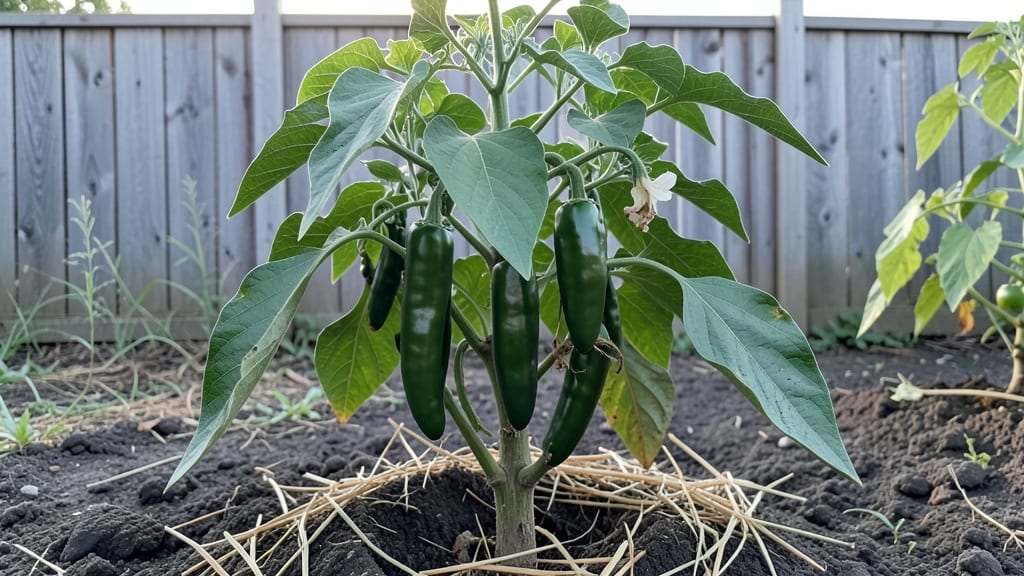
"Growing mammoth jalapeño seeds to full-size monsters starts with the right timing and soil. ✨ I learned the hard way that these peppers need a long, warm season—planting too early means leggy, weak plants that never ripen properly.
The secret to those 12-inch monsters isn't just water or fertilizer, but getting them off to a strong start indoors 8-10 weeks before your last frost.
You'll need a sunny windowsill or grow light, sterile seed-starting mix, and patience—these seeds take 10-15 days to sprout, and the seedlings grow fast. Once outdoors, they demand full sun (6+ hours daily), rich soil with compost, and consistent moisture.
The bigger the pot or bed, the more they'll reward you with massive, heat-packed peppers that put store-bought jalapeños to shame.
By midsummer, you'll see those signature thick stems and glossy leaves, but the real payoff comes in late summer when the first 6-12 inch peppers appear. These aren't your average jalapeños—they're heat bombs with a slow build, perfect for drying or fresh eating.
The key is keeping them fed with balanced fertilizer and staked or caged as they grow.
Even in short seasons, you can squeeze out a harvest with proper planning. Here's how to turn those tiny seeds into the largest, spiciest peppers in your neighborhood—no greenhouses required.
📚 In This Guide
- What you need
- Instructions
- Tips and common mistakes
- Wrapping up and next steps
What you need
- ● Mammoth Jalapeño Seeds: 10–20 seeds (opt for heirloom or hybrid varieties labeled for large peppers).
- ● Seed Starting Mix: 1–2 bags (sterile, peat-free blend with perlite or vermiculite for aeration).
- ● Seed Trays or Biodegradable Pots: 4–6 (2–3 inches deep) with drainage holes.
- ● Grow Lights or Sunny Windowsill: LED grow lights (full-spectrum, 12–16 hours/day) or a south-facing window with 6+ hours of sunlight.
- ● Spray Bottle: 1 (for gentle watering).
- ● Humidity Dome or Plastic Wrap: 1 (to retain moisture during germination).
- ● Fertilizer: Starter Fertilizer: Balanced liquid (5-5-5 or 10-10-10 NPK ratio).
- ● Growth Booster: Organic compost or worm castings (for transplanting).
- ● Transplant Containers: 5–10 gallon pots or a raised bed (12+ inches deep, well-draining soil).
- ● Stakes or Trellis: 3–4 ft tall (for support as peppers grow).
- ● Pruning Shears: 1 (for shaping plants and removing suckers).
- ● pH Test Kit: 1 (ideal soil pH: 6.0–7.0 for jalapeños).
- ● Heat Mat: 1 (speeds up germination in cooler climates).
- ● Mycorrhizal Fungi: 1 packet (boosts root health and nutrient uptake).
- ● Drip Irrigation System: 1 (keeps soil consistently moist without overwatering).
- ● Row Cover: 1 (protects young plants from pests or frost).
- ● Journal or App: 1 (to track growth stages, watering, and fertilizer schedules).
Step-by-Step instructions for growing mammoth jalapeños from seed
Here's how to coax those massive, heat-packed peppers from tiny seeds—no shortcuts, just proven results.
🌱 Step 1: Start Seeds Indoors with Warmth and Moisture
Fill 2-3 inch deep seedling trays with moistened seed-starting mix (not garden soil—it's too dense). Press the mix down lightly so the surface is firm but not packed. Plant 2-3 seeds per cell at a depth of ¼ inch, just below the soil surface. Cover with a fine layer of mix and mist gently with water until evenly damp.
Here's the thing—mammoth jalapeños need warmth to germinate. Place the tray on a seedling heat mat set to 75-85°F or in a warm spot like on top of your fridge. Keep the soil consistently moist but never soggy. Germination takes 7-14 days, so don't give up if you don't see sprouts right away. Once seedlings emerge, remove the heat mat—they'll tolerate room temperature just fine.
☀️ Step 2: Provide Strong Light and Prevent Leggy Growth
The instant those first true leaves appear, move seedlings under a grow light or to a south-facing window. Mammoth jalapeños need 14-16 hours of light daily to grow thick, sturdy stems. Position the light 2-4 inches above the plants and raise it as they grow to maintain that gap.
Watch for leggy growth—thin, pale stems with leaves spaced far apart. This happens when light is too weak or too far away. If you see this, move the light closer immediately. Strong seedlings have thick stems and deep green leaves. Rotate the tray a quarter turn daily so plants grow straight instead of leaning toward the light.
🪴 Step 3: Transplant to Larger Pots When Seedlings Are Strong
When seedlings have 3-4 true leaves and are about 3-4 inches tall, it's time to transplant. Gently remove one seedling per cell (keep the strongest one) and place it in a 5-inch pot filled with well-draining potting mix. Bury the stem up to the first set of leaves—this encourages stronger root growth.
Water deeply after transplanting to settle the soil around the roots. Place the pots in a warm, sunny spot and keep the soil consistently moist but not waterlogged. Avoid fertilizing for 2 weeks to let the roots recover. You'll see new growth within 7-10 days—that's your signal everything is working.
✂️ Step 4: Harden Off and Plant Outdoors After Frost
Two weeks before your last frost date, start hardening off the seedlings. Place them outside in a sheltered, shaded spot for 1-2 hours the first day, then gradually increase outdoor time by 1 hour daily over 10-14 days. This toughens the plants so they can handle full sun and wind without shock.
Once seedlings tolerate a full day outside without wilting, plant them in the garden after all danger of frost has passed. Choose a spot with full sun (6-8 hours daily) and well-draining soil. Space plants 18-24 inches apart to give them room to grow. Water deeply at the base right after planting to reduce transplant shock.
💧 Step 5: Maintain Consistent Water and Support for Giant Peppers
Mammoth jalapeños need 1-2 inches of water weekly, especially during fruiting. Water deeply at the base, avoiding the leaves to prevent disease. Use a soaker hose or drip irrigation to keep moisture consistent. Mulch around the base with 2-3 inches of organic mulch to retain moisture and regulate soil temperature.
As plants grow, they'll need support. Install cages or stakes at planting time and gently tie the main stem to the support as it grows. Prune suckers (side shoots) that form in the leaf axils to direct energy to fruit production. Harvest peppers when they reach 6-8 inches long for peak flavor and heat.
Tips & tricks for growing mammoth jalapeños from seed
Growing mammoth jalapeños from seed is a rewarding challenge—here's how to avoid the common pitfalls that trip up even experienced gardeners.
Warmth is Everything: In Step 1, that 75-85°F heat mat is non-negotiable for germination. I've seen seeds fail to sprout when placed in cool rooms—trust me, don't skip this step! If you don't have a heat mat, try placing the tray on top of your fridge or near a sunny window with a clear plastic cover to trap warmth. The soil should feel warm to the touch but not hot.
Light Strategy: For Step 2, those 14-16 hours of light are crucial for preventing leggy seedlings. I recommend using a full-spectrum LED grow light positioned 2-4 inches above the plants. If using natural light, rotate your seedlings daily to prevent them from leaning toward one side. Watch for leaves touching the light—this means it's too close and needs adjusting.
Transplanting Technique: When transplanting in Step 3, burying the stem up to the first set of leaves might seem counterintuitive, but it actually encourages stronger root growth. I've found that seedlings treated this way develop more robust stems and recover better from transplant shock. Use a well-draining potting mix specifically formulated for seedlings—regular garden soil can compact and suffocate young roots.
Harden Off Gradually: The 10-14 day hardening off period in Step 4 is where many gardeners rush the process. Start with just 1-2 hours of exposure and increase by 1 hour daily. I've seen plants go into shock when moved directly from indoor conditions to full sun. Look for dark green leaves that remain firm—this is your sign the plants are ready for full outdoor conditions.
Pro Tips for Mammoth Jalapeno Seed
- Growing mammoth jalapeños from seed is a rewarding challenge—here's how to avoid the common pitfalls that trip up even experienced gardeners.
- Warmth is Everything: In Step 1, that 75-85°F heat mat is non-negotiable for germination.
- Light Strategy: For Step 2, those 14-16 hours of light are crucial for preventing leggy seedlings.
Frequently asked questions
Got questions about growing mammoth jalapeños?
Here are answers to the most common ones to help you cultivate these fiery giants with confidence!
How long does it take for mammoth jalapeño seeds to germinate?
Mammoth jalapeño seeds typically germinate in 7–21 days when kept in warm (70–85°F), moist conditions. Use a heat mat or seedling tray to speed up the process. Patience is key—some seeds may take longer, especially in cooler environments. Pro tip: Soak seeds overnight in warm water to kickstart germination!
What’s the best temperature range for growing mammoth jalapeños?
These peppers thrive in 75–85°F (24–29°C) daytime temps and 60–65°F (15–18°C) at night. If temperatures drop below 50°F (10°C), growth slows, and peppers may stop producing. Use row covers or move potted plants indoors during cold snaps. Heatwaves above 90°F (32°C) can also stress plants—provide shade if needed.
Can I grow mammoth jalapeños in containers? If so, what size pot do I need?
Yes! Mammoth jalapeños adapt well to containers, but 5-gallon pots or larger are ideal to accommodate their sprawling roots and heavy fruit. Ensure pots have drainage holes and use a high-quality potting mix. Place pots in full sun (6–8 hours daily) and fertilize every 2–3 weeks for optimal growth. Pro tip: Trellis vining varieties to save space!
Why aren’t my mammoth jalapeño plants producing peppers?
Common culprits include inconsistent watering, nutrient deficiencies (especially nitrogen or phosphorus), or temperature stress. Check for pests (like aphids) and ensure plants get full sun and proper spacing (18–24 inches apart). Over-fertilizing with nitrogen can also delay fruiting—balance your feed with phosphorus and potassium. Fix it: Prune leggy growth to redirect energy to flowering!
Are mammoth jalapeños harder to grow than regular jalapeños?
Not necessarily! They follow the same care basics as standard jalapeños but may need more space, nutrients, and consistent warmth to reach their massive size. The key difference is patience—they take longer to mature (90–120 days vs. 60–75 for regular varieties). With the right conditions, they’re just as rewarding (and spicier!) to grow.
Wrapping up and next steps
Growing mammoth jalapeño seeds into massive, fiery peppers is a rewarding adventure that blends patience, creativity, and a little green thumb magic. With the right soil, sunlight, and care, you’ll soon be harvesting monster-sized peppers that turn heads—and tastebuds!
Whether you’re a seasoned gardener or just starting out, the key is consistency and confidence in your process.
Ready to level up your garden? Start by planting those seeds this season and watch your mammoth jalapeños thrive. Share your progress with fellow pepper enthusiasts or even gift your harvest—because nothing beats the joy of growing something truly extraordinary! 🌱✨