
Vegetables
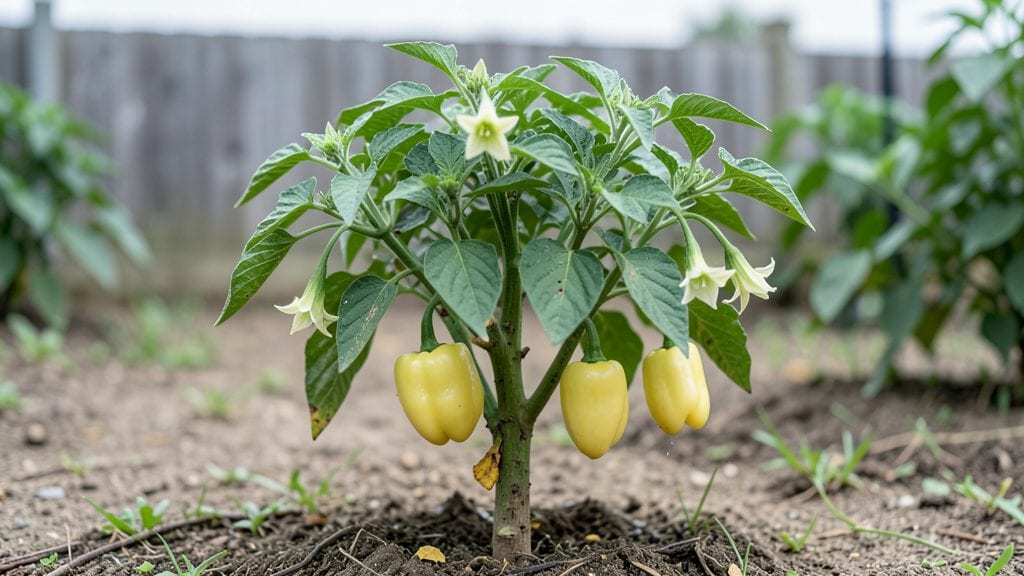
Saving yellow pepper seeds from this year’s harvest means next year’s plants will be hardier and more productive. 🌱 I’ve learned the hard way that store-bought seeds can’t match the flavor and vigor of homegrown ones—especially when you save them properly.
The process starts with selecting the best peppers, letting them fully ripen, and drying them just right to preserve viability.
You’ll need three things: ripe peppers, a dry spot, and patience. After harvesting, let peppers dry on the plant until they turn completely yellow, then remove seeds, rinse them, and spread them out to cure for a week.
This simple method ensures seeds stay viable for up to five years, ready to grow into plants that outperform anything from a seed packet.
The payoff comes next season when your seedlings emerge strong and healthy. Home-saved seeds adapt better to your local climate, resist diseases more effectively, and produce peppers with the exact flavor profile you love. Plus, you’ll save money and avoid the disappointment of store-bought seeds that underperform.
Works for all yellow pepper varieties—jalapeños, banana peppers, or sweet bell types—and adapts to any growing space. Once you try it, you’ll never buy seeds again. Here’s how to do it right the first time.
Why it happens
When your yellow pepper seeds fail to germinate or grow into the robust plants you expect, it’s often due to factors you might not immediately suspect.
Understanding these causes—from environmental conditions to seed handling—can help you troubleshoot and improve next year’s harvest. Let’s break down the science behind why these issues arise.
🌡️ Temperature Extremes: Too Hot or Too Cold
Peppers, including those from yellow varieties, thrive in warm soil with consistent temperatures between 70–90°F (21–32°C). If the soil is too cold (<60°F/15°C), seeds may remain dormant or rot before sprouting. Conversely, excessive heat (above 95°F/35°C) can cause seeds to dry out or germinate unevenly.
💡 Pro Tip: Use a seedling heat mat (75–85°F/24–29°C) to kickstart germination indoors. If sowing directly outdoors, wait until the soil is at least 65°F (18°C) and nighttime temps stay above 50°F (10°C).
💧 Moisture Mismanagement: Too Dry or Too Soggy
Seeds need consistent moisture to activate enzymes that break down stored nutrients, but overwatering can suffocate them by cutting off oxygen. Yellow pepper seeds, like all peppers, are sensitive to:
- Underwatering: Causes seeds to dry out and harden, preventing germination.
- Overwatering: Leads to fungal growth (e.g., Pythium or Rhizoctonia) or anaerobic conditions, where seeds rot instead of sprouting.
🔥 Key Rule: Keep soil moist but not waterlogged—like a damp sponge. Use a spray bottle for fine misting or a seed-starting tray with drainage holes.
🌱 Poor Seed Viability: Age or Storage Issues
Yellow pepper seeds, like all seeds, have a shelf life. Over time, their viability drops due to:
- Moisture loss: Seeds dry out and lose the ability to absorb water, even if stored "properly."
- Oxidation: Exposure to air breaks down cell membranes, reducing germination rates.
- Temperature swings: Fluctuations (e.g., freezing or extreme heat) damage internal structures.
📊 Lifespan Reality: Most pepper seeds retain viability for 2–4 years if stored correctly (cool, dark, and dry). Test old seeds by soaking a few in water—if they sink and look plump, they’re likely still good.
🌿 Light and Depth Problems: Buried Too Deep or Exposed
Peppers are light-sensitive seeds that need just the right depth to germinate:
- Too shallow: Seeds dry out or are washed away during watering.
- Too deep: They struggle to push through the soil, often rotting before emerging.
The ideal planting depth is ½ inch (1.25 cm) for most pepper varieties. If sowing in containers, use a fine, well-aerated mix to avoid compaction.
🦠 Disease or Pest Damage: Silent Seed Sabotage
Even before planting, seeds can carry pathogens or be damaged by pests like:
- Fungal infections (e.g., Aspergillus): Cause moldy, discolored seeds that fail to sprout.
- Insect eggs or larvae: Some pests (e.g., seed corn maggots) lay eggs in seed coats, hatching and devouring the embryo.
- Bacterial soft rot (Erwinia): Creates slimy, foul-smelling seeds.
🛡️ Prevention Tip: Soak seeds in a 1% bleach solution (1 part bleach to 99 parts water) for 5–10 minutes before planting to kill surface pathogens. Rinse thoroughly afterward.
Fixing Common Pepper Seed Problems
Growing vibrant yellow pepper plants starts with healthy seeds, but even the best harvests can face challenges. Whether your seeds fail to germinate, grow unevenly, or struggle with viability, these practical solutions will help you salvage your crop and prepare for a thriving next season.
If your yellow pepper seeds aren’t sprouting, the issue could be moisture, temperature, or seed age. Here’s how to troubleshoot:
🔥 Check Seed Viability First
- Test a few seeds: Place 5–10 seeds between damp paper towels in a sealed bag. Keep them in a warm (70–80°F) spot for 5–7 days.
If fewer than half sprout, your seeds may be old or stored improperly. - Solution: If viability is low, source fresh seeds from a reputable supplier. For homegrown seeds, store them in a cool, dry place (below 40°F) in an airtight container with a desiccant packet.
💧 Adjust Moisture and Soil Conditions
- Overwatering or soggy soil can suffocate seeds.
Ensure your seed-starting mix is lightly moist (like a damp sponge) but not waterlogged. - Solution: - Use a well-draining mix (coco coir + perlite works well). - Water gently from below (bottom-watering trays prevent seed rot). - Cover seeds with ¼ inch of soil—not too deep, or they’ll struggle to break through.
🌡️ Optimize Temperature and Light
- Pepper seeds need warmth (75–85°F) to germinate.
A heat mat or sunny windowsill can help. - Solution: - Place trays on a seedling heat mat (or near a warm appliance like a fridge). - Once sprouted, provide 12–16 hours of light daily (grow lights prevent leggy seedlings).
⏳ Give It Time (Patience Pays Off!)
- Pepper seeds can take 10–21 days to germinate. Avoid disturbing the soil while waiting.
If seedlings emerge but grow unevenly, it’s often due to inconsistent light, nutrients, or overcrowding.
🍃 Thin Seedlings Properly
- Problem: Overcrowded seedlings compete for nutrients, leading to weak stems.
- Solution:
- Once seedlings have 2 true leaves, thin them to 1–2 inches apart.
- Use scissors to snip (not pull) to avoid disturbing roots.
🌞 Provide Consistent Light
- Problem: Leggy, pale seedlings mean they’re stretching for light.
- Solution:
- Move trays closer to grow lights (4–6 inches away).
- Rotate trays daily for even growth.
💡 Fertilize Lightly (But Right)
- Problem: Too much fertilizer can burn young roots.
- Solution:
- Wait until seedlings have 3–4 true leaves before using a diluted (½ strength) balanced fertilizer (e.g., 5-5-5).
- Pro tip: Use fish emulsion or compost tea for organic nutrients.
Even if this year’s seeds underperform, proper storage ensures next year’s batch stays potent.
🔥 Dry Seeds Thoroughly Before Storage
- Problem: Damp seeds mold or lose viability.
- Solution:
- Spread seeds on a paper towel in a single layer for 3–5 days in a dry, shaded spot.
- Alternatively, use a dehydrator at 95°F for 1–2 hours.
📦 Store in Cool, Dark Conditions
- Problem: Heat and light degrade seeds faster.
- Solution:
- Use airtight containers (glass jars or Mylar bags with oxygen absorbers).
- Store in a fridge (35–40°F) or freezer for long-term (up to 5 years).
- Label containers with the variety and date!
💡 Test a Few Seeds Annually
- Before planting next year, germination-test a sample (as described above). If viability drops below 50%, replace your seed stock.
- Buy fresh seeds (within 1–2 years of harvest) for better germination rates.
- Start indoors 8–10 weeks before last frost—peppers hate cold!
- Use sterilized soil to prevent fungal diseases.
- Keep a seed journal: Track germination rates, storage methods, and growing conditions for future reference.
With these fixes, your yellow pepper seeds will be ready to grow into bold, flavorful plants next season. Happy gardening! 🌶️🌱
Frequently asked questions about yellow pepper seeds
How do I know if my yellow pepper seeds are still viable?
Test a small batch by placing 5-10 seeds between damp paper towels in a sealed bag. Keep them in a warm spot (70-80°F) for 5-7 days. If fewer than half sprout, your seeds may have lost viability. Fresh seeds typically germinate within 10-21 days under ideal conditions.
Can I save seeds from hybrid yellow peppers?
Hybrid yellow peppers (marked with an "F1" designation) won't produce true-to-type seeds. The resulting plants may grow differently or lose desirable traits. For consistent results, stick to heirloom varieties or certified organic seeds.
What's the best way to store saved yellow pepper seeds?
After drying seeds completely, store them in an airtight container with a desiccant packet in a cool (35-40°F), dark place. A refrigerator works well for long-term storage. Properly stored seeds can remain viable for 2-5 years. Label containers with the variety and date!
Why are my pepper seedlings growing too slowly?
Slow growth often means insufficient light or nutrients. Move seedlings within 4-6 inches of grow lights and provide 12-16 hours of light daily. Wait until they have 3-4 true leaves before using a diluted fertilizer (½ strength). Avoid overcrowding by thinning to 1-2 inches apart.
How deep should I plant yellow pepper seeds?
Plant seeds only ¼ inch deep in well-draining soil. Planting too deep prevents seedlings from breaking through the soil surface. Use a fine seed-starting mix with perlite for best results. Keep soil consistently moist (like a damp sponge) until germination.