
Trees
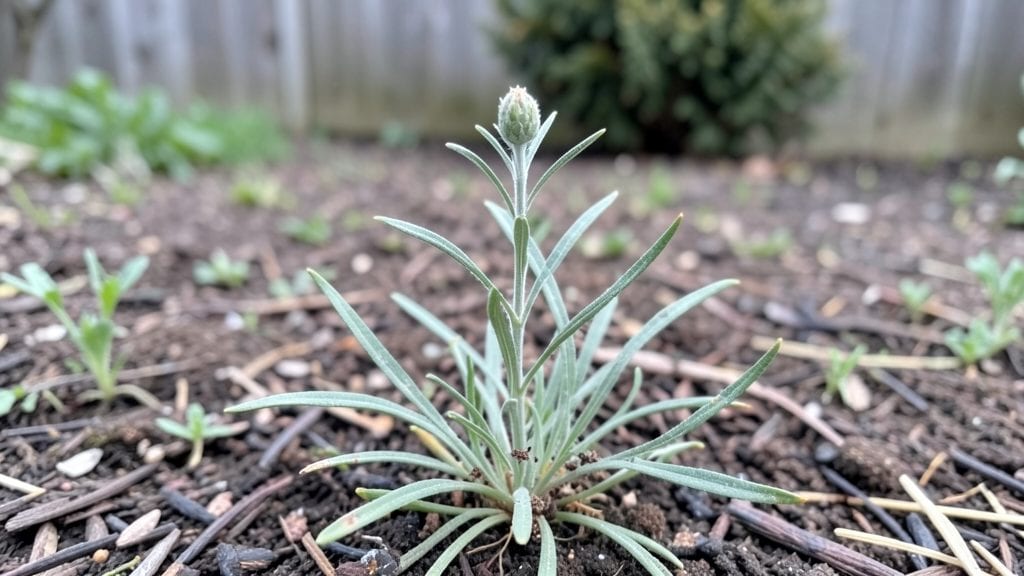
Mastering liatris seedling identification begins with those narrow, grass-like leaves that hug the stem like tiny swords—catch them early before weeds take over. 🌱 I’ve spent years watching these purple coneflower babies emerge, and the key is catching them before they get crowded by weeds or mistaken for other wildflowers.
Those first leaves are your best clue—basically, if it looks like a blade of ornamental grass but isn’t, it’s probably liatris.
The tricky part is telling them apart from other early-stage perennials, like young black-eyed Susans or even wild onions. Liatris seedlings grow in tight clusters, with leaves radiating outward like spokes on a wheel.
If you’re still unsure, wait a week—they’ll develop a slight purple tint along the leaf edges, a dead giveaway. I’ve made the mistake of pulling what I thought were weeds, only to find liatris seedlings hiding in plain sight.
Once you’ve confirmed your seedlings, give them space to breathe. Thin them so each plant has at least 2 inches of room, and keep the soil lightly moist but never soggy.
Within a month, you’ll see the first rosette of true leaves forming, and by next spring, those purple spikes will start reaching for the sky. The payoff? A garden that hums with pollinators by midsummer.
This works for both wild-collected seeds and nursery starts, though homegrown seedlings often prove hardier. If you’re in zones 3-9, you’ve got time—liatris seedlings are patient, and with the right care, they’ll reward you for years. Let’s get those little swords growing strong!
Root Causes Of Misidentification
Correctly identifying Liatris seedlings can be tricky, especially for beginners. Several key factors—often rooted in biology, environment, or human error—can lead to confusion between Liatris (like Liatris spicata, the blazing star) and other plants. Understanding these causes helps gardeners and botanists avoid costly mistakes in cultivation or conservation efforts.
Young Liatris seedlings closely resemble other wildflowers or grasses, making them hard to distinguish at first glance. Here’s why:
- Leaf Shape & Arrangement: Early Liatris seedlings have narrow, grass-like basal leaves that can mimic Solidago (goldenrod) or Eutrochium (Joe-Pye weed) in their juvenile phase. Their alternate, linear leaves lack the distinctive basal rosette seen in mature plants.
- Height & Structure: Seedlings rarely exceed 6–12 inches in their first year, blending into low-growing weeds or other wildflowers. Without the iconic purple flower spikes, they lack visual cues.
- Delayed Flowering: Liatris typically flowers in late summer to fall, but seedlings may not bloom until their second or third year. Without flowers, identification relies on subtle leaf and stem traits.
Pro Tip: 🔍 Examine the leaf attachment—Liatris leaves grow alternately along the stem, while grasses have parallel veins and a different texture.
Liatris isn’t alone in the wildflower world. Several plants share its early growth habits, leading to mix-ups:
| Plant | Key Confusion Points | How to Tell Them Apart |
|---|---|---|
| Solidago (Goldenrod) | Narrow leaves, similar height, and yellow flowers (vs. Liatris's purple). | Liatris has hairy stems and spiky flower clusters; goldenrod has flat-topped clusters. |
| Eutrochium (Joe-Pye Weed) | Tall, purple-tinged stems with broad leaves. | Joe-Pye weed has whorled leaves (3+ leaves at a node) and large, dome-shaped flower heads. |
| Asclepias (Milkweed) | Basal rosettes and narrow leaves, but milkweed has milky sap when cut. | Liatris lacks sap; milkweed has umbrella-shaped flower clusters. |
Pro Tip: 🌡️ Touch test: Rub leaves between fingers—Liatris leaves are smooth or slightly rough, while grasses feel brittle.
Light, soil, and weather play a huge role in how seedlings develop, sometimes masking their true identity:
- Shade Stress: Liatris thrives in full sun. If seedlings grow in partial shade, they may develop longer, thinner leaves resembling grass or sedges.
- Moisture Levels: Overwatered seedlings can become leggy and weak, mimicking weedy species like Plantago (plantain). Drought-stressed seedlings may curl leaves inward.
- Late Planting: Seedlings planted in late summer or fall may enter dormancy early, stunting growth and making them harder to spot among winter weeds.
Pro Tip: ✨ Dig deep: If unsure, gently unearth the taproot—Liatris has a thick, fibrous root system, while grasses have thin, fibrous roots.
Even experienced gardeners can misidentify seedlings due to:
- Focusing on Flowers First: Many assume seedlings must have flowers to be Liatris, overlooking the fact that first-year plants often skip flowering entirely.
- Ignoring Leaf Details: Relying on height or color alone (e.g., "it’s purple-ish") without checking leaf arrangement, stem hairiness, or root structure.
- Seasonal Bias: Expecting Liatris to look like mature plants in spring, when they’re still dormant or just sprouting.
Pro Tip: 📊 Keep a seedling journal: Note leaf shape, soil type, and growth rate—Liatris seedlings grow slowly at first (1–2 inches/month) before a growth spurt in spring.
Fixing Common Liatris Seedling Struggles
Got a batch of tiny purple coneflower seedlings but unsure what’s going wrong? Don’t worry—most issues have simple fixes. Below, we’ll tackle the most common problems with practical, step-by-step solutions and prevention tips to keep your liatris seedlings thriving.
Problem: Seedlings growing too close together compete for nutrients, water, and light, leading to weak, leggy plants.
Fix: 🔥 Step 1: Wait for True Leaves
- Thin seedlings after they develop their first set of true leaves (not the tiny cotyledons). This ensures they’re strong enough to survive.
🍳 Step 2: Use the Right Tools
- Snip with clean scissors (not pull by hand) to avoid disturbing roots of neighboring plants. Wear gloves if your soil has sharp debris.
👨🍳 Step 3: Leave the Healthiest
- Keep the strongest, most upright seedlings, spacing them 6–12 inches apart (check your variety’s mature size for guidance).
🥘 Step 4: Transplant or Compost
- Gently dig up thinned seedlings and transplant them to a new spot or compost them (avoid tossing in trash—they might sprout elsewhere!).
Prevention Tips: ✨ Sow Sparsely: If direct-sowing, space seeds ¼ inch apart to reduce thinning needs. 🎯 Use Trays: Start seeds in cell packs or small pots to avoid overcrowding before transplanting.
Problem: Seedlings droop or turn yellow due to overwatering, underwatering, or poor drainage.
Fix: 💧 Step 1: Test Soil Moisture
- Stick your finger 1 inch deep into the soil. If it’s dry, water lightly; if soggy, hold off until the top layer dries.
🔥 Step 2: Improve Drainage
- Ensure pots or beds have drainage holes. Mix sand or perlite (20%) into potting soil if drainage is poor.
👨🍳 Step 3: Water Wisely
- Water at the base (not overhead) to prevent fungal diseases. Use a spray bottle for tiny seedlings to avoid disturbing them.
🌡️ Step 4: Adjust Humidity
- Place a humidity dome or cover seedlings with plastic wrap (remove daily to prevent mold). Mist lightly if air is dry.
Prevention Tips: 💡 Use Well-Draining Soil: A mix of 50% potting soil + 30% perlite + 20% compost works well. 🌱 Monitor Weather: Avoid watering before rain or in extreme heat.
Problem: Tiny holes, chewed leaves, or webbing mean aphids, spider mites, or slugs are feasting on your liatris.
Fix: 🔪 Step 1: Identify the Pest
- Aphids: Tiny green/black bugs clustered on stems.
- Spider Mites: Fine webbing on undersides of leaves.
- Slugs/Snails: Irregular holes in leaves, slimy trails.
🍳 Step 2: Remove by Hand (Best for Small Infestations)
- Aphids/Mites: Spray with soapy water (1 tsp mild soap + 1 quart water). Repeat every 3–4 days.
- Slugs: Set up beer traps (bury a shallow dish filled with beer) or use iron phosphate bait (pet-safe).
👨🍳 Step 3: Introduce Beneficial Insects
- Release ladybugs (for aphids) or nematodes (for slugs) if the problem persists.
🥘 Step 4: Prevent Future Outbreaks
- Neem oil spray (weekly) deters pests naturally.
- Diatomaceous earth (food-grade) creates a barrier slugs avoid.
Prevention Tips: ✨ Keep Garden Clean: Remove debris where pests hide. 🎯 Rotate Plants: Avoid planting liatris in the same spot yearly to disrupt pest life cycles.
Problem: Seedlings grow too slowly due to low light, poor soil, or nutrient deficiencies.
Fix: 🌞 Step 1: Maximize Light
- Move seedlings to a south-facing window or use grow lights (12–16 hours/day). Liatris needs full sun (6+ hours daily).
📊 Step 2: Fertilize Gently
- Use a balanced, water-soluble fertilizer (10-10-10) diluted to half strength every 4–6 weeks. Avoid high-nitrogen fertilizers—they promote leafy growth over flowers.
👨🍳 Step 3: Check Soil pH
- Liatris prefers slightly acidic to neutral soil (6.0–7.0). Test with a soil kit and amend with lime (to raise pH) or sulfur (to lower pH) if needed.
💪 Step 4: Transplant if Needed
- If seedlings are root-bound, repot into slightly larger containers with fresh soil.
Prevention Tips: 💡 Start Early Indoors: Sow seeds 8–10 weeks before the last frost for stronger seedlings. 🌱 Hardening Off: Gradually expose seedlings to outdoor conditions 1–2 weeks before transplanting to reduce shock.
Problem: Seedlings stretch toward light, becoming weak and spindly (a sign of etiolation).
Fix: 🔥 Step 1: Rotate Seedlings Daily
- Turn pots 180 degrees each day so all sides get even light.
🍳 Step 2: Increase Light Exposure
- Move seedlings closer to a bright window or under grow lights. Avoid fluorescent bulbs—LED grow lights are more effective.
👨🍳 Step 3: Prune if Necessary
- If stems are severely elongated, pinch back the top ¼ inch to encourage bushier growth.
🥘 Step 4: Avoid Overcrowding
- Thin or repot leggy seedlings immediately to prevent further stretching.
Prevention Tips: ✨ Use Reflective Surfaces: Place a white board or aluminum foil behind seedlings to bounce light. 🎯 Start with Strong Light: Use a seedling heat mat (70–75°F) to speed up growth and reduce stretching.
Frequently asked questions
How do I tell if my tiny seedlings are actually liatris?
Look for narrow, grass-like leaves growing in a tight cluster from the base—these are called basal leaves. True liatris seedlings will have leaves radiating outward like spokes, and their stems will be slightly hairy. If you see a purple tint along the leaf edges after a week, that’s a dead giveaway!
Can I identify liatris seedlings before they develop true leaves?
Not reliably. The first leaves (cotyledons) look similar across many plants. Wait until the second set of leaves appears—these will be the true identifier. If you’re unsure, mark the spot and check again in 7-10 days for the purple tint along leaf edges.
What’s the best way to distinguish liatris from wild onions or grasses?
Liatris leaves are alternate (one leaf per node) and have a slightly rough texture, while grasses have parallel veins and feel brittle. For wild onions, check for the onion-shaped bulb at the base—liatris has a thick, fibrous taproot instead.
Should I thin my liatris seedlings, and how close can I plant them?
Yes! Thin seedlings to 6-12 inches apart once they develop true leaves. Use clean scissors to snip unwanted plants at soil level. Liatris needs space to grow strong—crowding leads to weak, leggy stems and fewer blooms.
What’s the fastest way to confirm if I have liatris vs. another wildflower?
Gently dig up one seedling and check the root structure. Liatris has a thick, fibrous taproot, while grasses have thin, fibrous roots. If you’re still unsure, snap a photo and compare it to a liatris seedling reference guide—the leaf arrangement is the most reliable clue!