
Aphids
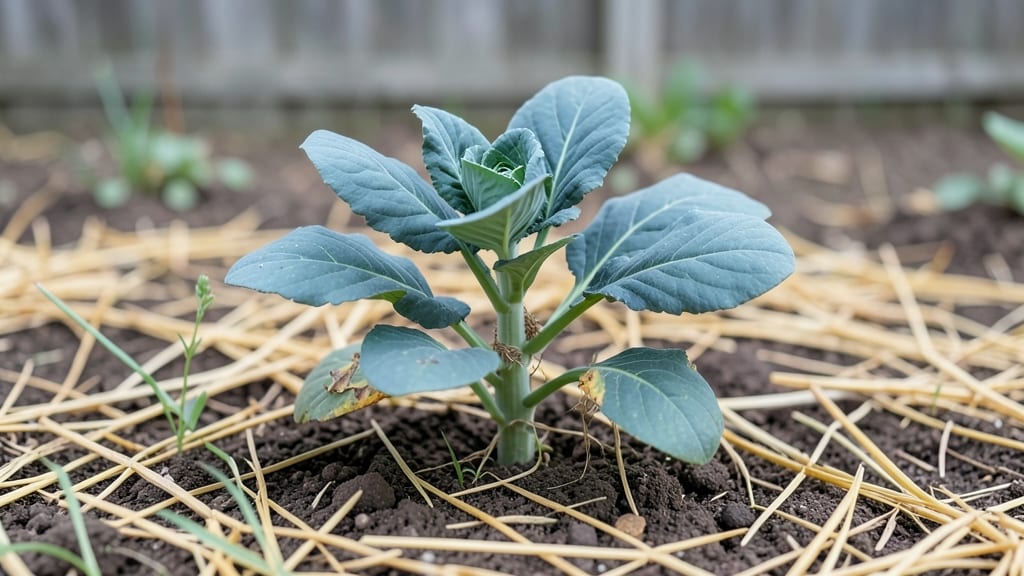
The identification of a broccoli seedling starts with those distinctive round, jagged-edged leaves—tiny cabbage roses that set it apart from kale or smooth cabbage seedlings. 🌱 I learned this the hard way after mistaking my first batch for cabbage until the true leaves emerged.
Look for the blue-green hue and slightly fuzzy texture on the undersides of leaves—this is your broccoli’s signature. Cabbage seedlings stay lighter and smoother, while kale’s first leaves are more lobed.
Once you’ve got the ID down, proper care keeps them thriving: bright light, moist (not soggy) soil, and a gentle watering can to avoid disturbing the roots.
Healthy seedlings grow 2-3 inches in their first week, with the central stem staying sturdy. If you see curled or sticky leaves, aphids are likely the culprit—act fast with a strong spray of water or introduce ladybugs.
The goal? Stocky, vibrant green plants ready for transplanting when they’re 4-6 inches tall and have at least four true leaves.
This works for both garden beds and containers, and the same rules apply whether you’re in Zone 5 or 8. Once you master the ID, you’ll spot broccoli seedlings in minutes—no more mix-ups, no more lost time. Let’s get those plants growing strong!
Hidden Triggers Behind Seedling Struggles
When your broccoli seedlings start showing signs of distress—yellowing leaves, stunted growth, or strange spots—it’s often a sign of underlying issues. Understanding why these problems occur is the first step to fixing them.
Below, we break down the most common culprits behind misidentified or struggling broccoli seedlings, especially when aphids or related stress factors are at play.
Aphids may be the most obvious culprit, but other tiny invaders can mimic their damage. These pests pierce plant cells to feed on sap, weakening seedlings before you even notice. Here’s what’s really happening:
- Sap Extraction: Aphids and spider mites inject saliva into leaves, which disrupts the plant’s ability to produce chlorophyll. This causes yellowing (chlorosis) and curled leaves—often mistaken for nutrient deficiencies.
- Honeydew Buildup: The sticky residue left by aphids fosters sooty mold, blocking sunlight and further stressing the plant. This can make seedlings look "dull" or "dirty" without clear signs of pests.
- Viral Transmission: Some aphids carry plant viruses (like Turnip Mosaic Virus), which stunt growth and deform leaves. These symptoms can be confused with genetic issues or poor germination.
Actionable Fix: Inspect the undersides of leaves and stems with a magnifying glass. Look for clusters of tiny insects or cottony webs. Introduce beneficial insects like ladybugs or lacewings to control outbreaks naturally.
Even if pests aren’t the issue, broccoli seedlings can struggle due to poor soil conditions. These problems often go unnoticed until the damage is visible:
| Issue | Why It Happens | Signs in Seedlings |
|---|---|---|
| Compacted Soil | Heavy or clay-rich soil lacks oxygen, suffocating roots and restricting water uptake. | Seedlings wilt quickly, even when watered; roots appear dark or mushy. |
| Nutrient Deficiencies | Broccoli is heavy in nitrogen, calcium, and boron. Lack of these leads to poor cell development. | Yellowing between leaf veins (nitrogen), stunted stems (calcium), or cracked stems (boron). |
| Over-Fertilization | Excess salts or synthetic fertilizers burn roots, preventing nutrient absorption. | Brown leaf edges, crispy texture, or seedlings collapsing despite moist soil. |
Actionable Fix:
- Test soil pH (ideal: 6.0–7.0 for broccoli). Amend with compost or sulfur if needed.
- Use organic fertilizers like fish emulsion (for nitrogen) or crushed eggshells (for calcium).
- Avoid watering after fertilizing—flush soil to prevent salt buildup.
Broccoli seedlings are sensitive to temperature fluctuations, humidity, and light. These factors can create symptoms that mimic pest damage or nutrient issues:
- Cold Stress: Temperatures below 40°F (4°C) slow metabolism, causing leaves to turn purple or yellow. Seedlings may also develop clubroot-like swelling on roots.
- Heat Stress: Above 85°F (29°C), seedlings bolt (send up flower stalks prematurely) or develop blossom-end rot (dark spots on leaves).
- Low Humidity: Dry air causes leaf edges to crisp, mimicking aphid damage. Spider mites thrive in these conditions, worsening the problem.
- Poor Light: Seedlings stretched toward light (etiolation) become leggy and weak, making them more susceptible to pests.
Actionable Fix:
- Use row covers or shade cloth to protect from extreme temps.
- Water seedlings at soil level (not overhead) to maintain humidity.
- Provide 12–16 hours of sunlight daily; supplement with grow lights if indoors.
Not all seedling struggles are environmental! Sometimes, the issue starts with the seed itself:
- Low-Germination Seeds: Old or stored improperly, seeds may sprout weakly or unevenly, leading to "failed" seedlings.
- Hybrid Weakness: Some broccoli hybrids are bred for disease resistance but may have weaker early growth if not hardened off properly.
- Cross-Contamination: Mixing broccoli seeds with other brassicas (like cabbage) can result in seedlings with different growth patterns, confusing identification.
Actionable Fix:
- Test germination rates before planting by soaking seeds in water for 24 hours—90%+ should swell.
- Choose heirloom or disease-resistant varieties (e.g., 'De Cicco' or 'Waltham 29') for hardier starts.
- Label trays clearly and avoid cross-pollination near other brassicas.
By pinpointing the root cause—whether it’s pests, soil, environment, or seed quality—you can address broccoli seedling issues before they spiral. Early intervention saves time, money, and your harvest!
Fixing Aphid Damage Fast
Aphids may be tiny, but their impact on your broccoli seedlings can be devastating if left unchecked. The good news? With the right approach, you can reverse damage, restore health, and prevent future infestations—all while keeping your garden thriving.
Below, we’ve broken down targeted solutions based on the most common causes of aphid stress, from early-stage fixes to long-term prevention.
Problem: Dense planting creates damp, shaded conditions—aphids love this environment. Stunted seedlings weaken defenses, making them prime targets.
How to Fix It: 🔥 Thin Your Seedlings (ASAP!)
- Use clean, sharp scissors or your fingers to snip or gently pull seedlings, leaving 6–8 inches of space between plants.
- Replant in well-draining soil if roots are tangled.
🍳 Boost Airflow & Sunlight
- Space rows 18–24 inches apart to improve circulation.
- Remove weeds competing for nutrients—aphids hide in debris!
👨🍳 Fertilize Smartly
- Switch to a balanced, low-nitrogen fertilizer (e.g., 5-5-5) to strengthen seedlings without attracting aphids.
- Avoid overwatering—keep soil moist but not soggy.
Prevention Tip: 💡 Start with proper spacing! Sow seeds ¼ inch deep and thin early to avoid future headaches.
Problem: Broccoli seedlings struggling in hot, dry conditions produce weak sap—aphids feast on this easy meal.
How to Fix It: 🔥 Shade & Hydrate
- Use shade cloth (30–50%) if temps exceed 85°F (29°C).
- Water deeply in the morning (1 inch per week) to keep roots cool.
🍳 Foliar Spray Rescue
- Mix 1 tsp neem oil + 1 tsp mild soap in 1 quart water and spray directly on aphids (reapply every 3–5 days).
- Avoid harsh chemicals—they can stress seedlings further.
👨🍳 Support Natural Predators
- Release ladybugs or lacewings (available at garden centers) to hunt aphids naturally.
- Plant companion flowers like marigolds or nasturtiums nearby to attract beneficial insects.
Prevention Tip: 🌡️ Mulch with straw to retain moisture and regulate soil temp—aphids hate consistency!
Problem: Once aphids take hold, they reproduce rapidly, draining seedlings and transmitting viruses.
How to Fix It: 🔥 Manual Removal (Best for Small Infestations)
- Blast aphids off with a strong stream of water from a hose (early morning works best).
- Wipe leaves with a soapy cloth (1 tsp dish soap per gallon of water).
🍳 Homemade Sprays That Work | Solution | How to Use | Frequency | |----------------------------|----------------------------------------|---------------------| | Garlic & Chili Pepper | Blend 2 garlic cloves + 1 tbsp cayenne in 1 quart water.
Strain & spray. | Every 4–5 days | | Insecticidal Soap | 2 tbsp castile soap per gallon water. Spray until dripping. | Every 2–3 days | | Rubbing Alcohol (70%) | Mix 1 tbsp alcohol + 1 tsp soap per quart water. | Every 5 days |
👨🍳 Traps & Barriers
- Sticky traps (yellow) placed near seedlings catch aphids mid-jump.
- Row covers (fine mesh) block aphids while allowing sunlight and water.
Prevention Tip: ✨ Rotate crops—don’t plant broccoli in the same spot yearly to break aphid cycles.
Problem: Seedlings lacking nitrogen or calcium produce weak, aphid-magnet foliage.
How to Fix It: 🔥 Quick Nutrient Boost
- Epsom salt soak (1 tbsp per gallon water) for magnesium deficiency (yellowing leaves).
- Crushed eggshells (calcium) sprinkled around seedlings prevents soft, aphid-prone growth.
🍳 Compost Tea Fertilizer
- Brew 1 cup compost in 5 gallons water for 24 hours, strain, and water seedlings at the base.
👨🍳 Avoid Synthetic Overload
- Stop high-nitrogen fertilizers—they encourage soft, aphid-loved growth. Opt for fish emulsion or worm castings instead.
Prevention Tip: 📊 Test soil pH (ideal: 6.0–7.0). Aphids thrive in alkaline soil—adjust with sulfur if needed.
Final Pro Tip: 🎯 Inspect seedlings daily—catch aphids before they multiply! A 10x magnifying glass helps spot early signs on undersides of leaves.
With these practical, aphid-busting strategies, your broccoli seedlings will bounce back stronger—and aphids? They won’t stand a chance. 🚀
Frequently asked questions
How do I tell a broccoli seedling apart from cabbage or kale?
Look at the leaf shape and color! Broccoli seedlings have round, jagged-edged leaves with a blue-green hue and slightly fuzzy undersides. Cabbage seedlings are smoother with lighter green leaves, while kale's first leaves are more lobed and deeply cut. The fuzzy texture is your key clue!
What should my broccoli seedlings look like after 1 week?
Healthy seedlings should be 2-3 inches tall with 4-6 true leaves (not the initial seed leaves). The stem should be sturdy and upright, and leaves should be vibrant green. If they're leggy or pale, they need more light or better spacing.
Why are my broccoli seedlings curling or sticky?
This is likely aphid damage! Check the undersides of leaves for tiny green/black insects. The sticky residue is honeydew, which attracts sooty mold. Act fast with a strong water spray or introduce ladybugs—they're natural aphid predators!
Can I transplant broccoli seedlings too early?
Yes, but avoid transplanting when seedlings are under 4-6 inches tall or have fewer than 4 true leaves. They need established roots to handle transplant shock. Harden them off first by gradually exposing them to outdoor conditions over 5-7 days before moving.
What's the best way to store broccoli seeds for next year?
Keep seeds in a cool, dry place (below 40°F) in an airtight container with a desiccant packet. Label them with the variety and date. Properly stored seeds remain viable for 3-5 years, though germination rates decline after 2 years.