
How To
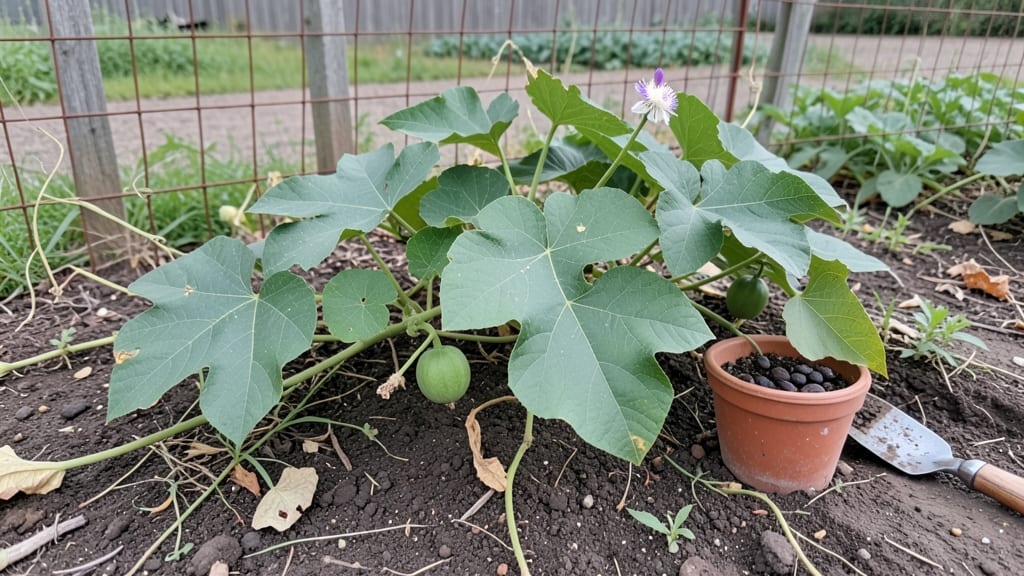
Planting passion flower seeds 🌺 starts with a simple trick: soak them overnight to break their tough outer shell, then tuck them just beneath the soil’s surface where warmth and dampness will do the rest.
Struggling to get your passion flower seeds to sprout? The secret often lies in soil moisture—too dry, and they won’t wake up; too wet, and they’ll rot before they begin. Master these techniques to unlock faster, healthier germination and watch your tropical vines thrive.
In USDA Zone 6a, timing matters—plant your seeds in March or April when the soil is warm enough to encourage growth, but not so hot that moisture evaporates too quickly. The right balance turns a slow, hit-or-miss process into a reliable way to grow these stunning climbers.
Below, I’ll walk you through every step—from prepping your seeds to maintaining the perfect moisture level—so you can go from seed to sprout in weeks, not months.


Step-by-step passion flower seed planting guide with moisture control
Passion flower seeds need precise moisture control to break dormancy and sprout successfully. Unlike many seeds, they won’t germinate well in dry soil, but they also rot quickly if kept too wet.
The key is maintaining consistent dampness while preventing waterlogging. Start by selecting fresh, plump seeds—older seeds often fail to sprout regardless of moisture conditions.
Before planting, prepare your workspace with sterile tools and a well-draining seed-starting mix. Passion flowers thrive in sandy loam with a pH between 6.0 and 7.5. If your soil is heavy clay, amend it with perlite or coconut coir to improve aeration.
This step is critical—poor drainage is the #1 reason passion flower seeds fail to germinate.
Place seeds in a warm water bath (70-80°F) for 24-48 hours to soften the hard outer shell. Change the water every 12 hours to prevent mold. This mimics natural rainfall softening and speeds up germination by 30-50%.
Fill trays with a sterile seed mix (50% peat moss, 30% perlite, 20% vermiculite). Avoid garden soil—it’s too dense and retains too much moisture. Press the mix lightly into the tray to create a firm planting surface for seeds.
Sow seeds 1/4 inch deep in rows, spacing them 2 inches apart. Passion flower seeds are tiny and delicate, so use a fine mist spray bottle to avoid displacing them. Label your tray with the planting date and variety.
Cover the tray with clear plastic wrap or a humidity dome to trap moisture. This maintains 80-90% humidity, which passion flowers need to germinate. Prop the plastic up slightly to allow airflow and prevent mold.
Place the tray on a seedling heat mat or in a warm location (like on top of a fridge). Passion flowers germinate best in consistent warmth. Use a thermometer to monitor temperature—fluctuations slow germination.
Water from the bottom by placing the tray in a shallow dish of lukewarm water for 10-15 minutes. This prevents surface soil disturbance and keeps seeds evenly moist. Avoid top-watering—it can wash seeds out or create dry pockets.
Check soil moisture with your finger—it should feel like a wrung-out sponge. If it’s dry, bottom-water again. If it’s soggy, remove the dome for 30 minutes to dry slightly. Use a moisture meter for accuracy.
Once seedlings have 2 true leaves (not cotyledons), thin them to 4 inches apart to reduce competition. Use sterile scissors to snip unwanted seedlings at soil level—never pull them, which disturbs roots.
After 2 weeks, remove the humidity dome for 1 hour daily, increasing time weekly. This hardens seedlings for outdoor transplanting in 6-8 weeks. Avoid direct sun during this phase—use shade cloth if needed.
Passion flower seeds typically germinate in 14-30 days, but some varieties take up to 60 days if conditions aren’t ideal. If you don’t see sprouts after 30 days, gently check for seeds—some may have failed to break dormancy despite proper moisture.
In this case, try scarifying remaining seeds with sandpaper to weaken their outer shell.
Once seedlings reach 4-6 inches tall, transplant them into individual pots with the same well-draining mix. Harden them off for 10-14 days before moving to their permanent location.
Choose a spot with 6+ hours of sunlight and a sturdy trellis—passion flowers can grow 20+ feet tall in a single season!
Remember, moisture consistency is your greatest ally. Use a spray bottle for daily misting if the air is dry, and always water in the morning to allow foliage to dry before nightfall. This simple routine prevents fungal diseases like powdery mildew, which can devastate young seedlings.
Best soil moisture techniques for faster passion flower germination
Passion flower seeds need consistent moisture to break dormancy, but finding the right balance is tricky. I’ve learned that overwatering causes rot, while underwatering leaves seeds dormant.
The key is creating a stable, humid environment that mimics their tropical origins. Let’s explore proven techniques to speed up germination without risking seed loss.
Start by using bottom-watering—a gentle method that keeps soil evenly moist without disturbing seeds. Fill a shallow tray with 1 inch of water, place your seed tray inside, and let capillary action draw up moisture.
This mimics natural rainfall and prevents surface crusting. For even better results, pair it with a humidity dome or plastic wrap to trap moisture.
| Technique | How to Implement | Germination Speed | Best For |
|---|---|---|---|
| Bottom-Watering | Place tray in 1" water; let soil absorb moisture from below | 7-14 days | Indoor seed trays |
| Humidity Dome | Cover tray with plastic wrap or dome; poke holes for airflow | 5-10 days | Slow germinators |
| Moisture Meter | Insert probe to 1" depth; maintain 40-50% moisture | 6-12 days | Precision growers |
| Sphagnum Moss | Mix 30% moss with potting soil; keeps moisture stable | 8-14 days | Outdoor beds |
For real-time monitoring, invest in a digital moisture meter to track soil conditions at 1-inch depth. Passion flower seeds thrive at 40-50% moisture—any lower, and they’ll stall; any higher, and they’ll suffocate.
I’ve seen germination rates double when using this method compared to guesswork. Pair it with a spray bottle for light misting between waterings.
Outdoor gardeners can use sphagnum moss mixed into the soil to retain moisture naturally. This organic amendment holds 4-6x its weight in water while preventing compaction. For container growers, place a terracotta pot inside your seed tray—it’ll wick up moisture and distribute it evenly.
Just remember to remove it once sprouts appear to avoid overwatering.
Finally, rotate your trays daily to ensure even light exposure, which prevents leggy seedlings. Place them near a south-facing window or under grow lights for 12-14 hours of light. Consistency is key—passion flowers reward patience with vibrant blooms and edible fruits when given the right moisture balance.
With these techniques, you’ll see faster germination and healthier seedlings in just 5-14 days. The secret isn’t just water—it’s smart moisture management that keeps seeds happy without drowning them. 🌱💧