
Picking
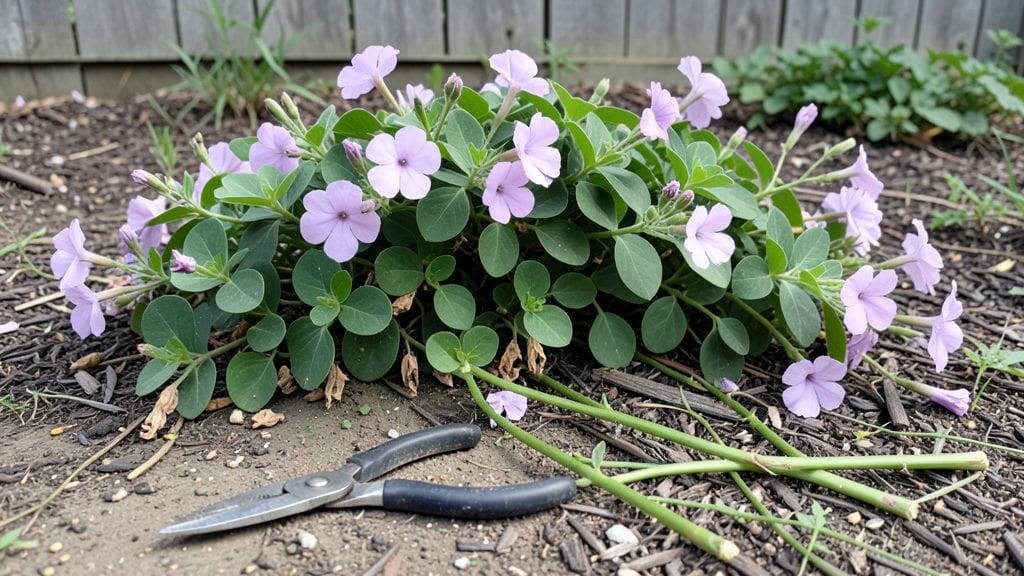
Harvesting vinca seeds at the perfect moment means the difference between a thriving new batch of plants and a pile of useless pods. ✨ I learned this the hard way after watching my first collection of catharanthus seeds turn to dust before I could even store them.
The key isn’t just waiting for the pods to dry—it’s knowing when they’re just ripe enough, before they crack open on their own.
You’ll need sharp scissors or pruning shears, a paper bag for drying, and patience—this isn’t a rush job. The pods start green, then turn brown and papery, but they’ll split open if you wait too long.
That’s when you’ll lose the tiny black seeds inside. Harvest them when they’re dry but still intact, usually in late summer or early fall, depending on your climate.
Once you’ve collected them, spread the pods on a tray in a dry, shaded spot for a week to finish drying. The seeds will rattle inside when they’re ready. Store them in an airtight container in a cool, dark place—viable seeds can last for years if kept dry.
Plant them in spring when the soil warms up, and you’ll see those familiar vinca leaves popping up in just a few weeks.
Here’s the trick I wish I’d known sooner: if your pods crack too early, blame humidity or pests. Keep them in a mesh bag to deter critters, and harvest on a dry morning. With this method, you’ll go from seed to seedling without losing a single one to the elements.
📚 In This Guide
- What you need
- Instructions
- Tips and common mistakes
- Wrapping up and next steps
What you need
- ● Mature Vinca plants (ensure they’re healthy and have fully developed seed pods—look for plump, brownish-green capsules).
- ● Sharp pruning shears or scissors (sterilized with rubbing alcohol to prevent disease transfer).
- ● Brown paper bags or breathable seed envelopes (1-2 per plant, depending on pod count).
- ● Permanent marker or labels (to mark plant varieties and harvest dates).
- ● Tweezers or small forceps (for delicate seed extraction).
- ● Drying tray or mesh screen (to spread seeds out for drying).
- ● Small paper towels or coffee filters (for separating seeds from chaff).
- ○ Air-tight storage containers (e.g., glass jars or seed packets) (with silica gel packets for moisture control, optional but recommended).
- ● Hand lens or magnifying glass (to inspect seed viability up close).
- ● Humidity monitor (to track drying conditions, ideal range: 40-50% humidity).
- ● Seed viability test kit (for advanced gardeners who want to test germination rates).
- ● Gloves (nitrile or latex) (if you’re sensitive to plant resins or sap).
Step-by-Step instructions for harvesting vinca seeds
Here's how I collect healthy vinca seeds—timing and ripeness are everything for strong germination.
🌱 Step 1: Identify Ripe Seed Pods
Vinca seed pods start green and harden as they mature. Wait until they turn brown and papery—that's your signal they're ready. Gently squeeze a pod between your fingers; if it splits open easily and releases small, dark seeds, it's perfect for harvesting. I check pods every 3-5 days in late summer when plants finish flowering.
Don't rush—overripe pods may burst open on their own, scattering seeds everywhere. Harvest when at least 50% of pods on a plant show these signs. Use sharp scissors to snip pods cleanly at the stem to avoid damaging the plant.
⏰ Step 2: Collect Seeds at Peak Freshness
Harvest on a dry morning after dew has evaporated. Lay a clean sheet of newspaper or paper towel on the ground beneath the plant to catch any seeds that might fall. Open each pod carefully over the paper—don't crush them, as this can damage the seeds inside.
Empty all seeds into a small bowl. You'll find tiny, dark brown seeds about 1/8 inch long. Discard any empty pods or debris. Store seeds in a paper envelope (not plastic) in a cool, dry place until ready to plant.
☀️ Step 3: Test Seed Viability Before Planting
Not all seeds will germinate, so test a few first. Place 10 seeds in a small container with damp paper towels. Fold the towel over the seeds and place it in a sealed plastic bag. Keep it in a warm spot (70-75°F) out of direct sunlight.
Check daily for signs of sprouting, usually within 7-14 days. If most seeds sprout, your batch is viable. If fewer than half sprout, try another batch or mix them with fresh seeds. Healthy seeds will show a tiny white root breaking through the shell first.
🌿 Step 4: Store Seeds Properly for Next Season
Keep viable seeds in a paper envelope or small mesh bag in the refrigerator. Label it with the variety and harvest date. Vinca seeds stay viable for 1-2 years when stored this way. Avoid moisture—condensation inside sealed containers causes mold and spoils seeds.
When ready to plant, sow seeds directly in well-draining soil in spring or early fall. Press them lightly into the surface—they need light to germinate, so don't cover them with soil. Water gently and keep the soil moist until seedlings appear.
Tips & tricks for perfect vinca seed harvesting
Timing and technique make all the difference when collecting vinca seeds—here's what I wish I knew sooner.
Ripeness Test: The brown-and-papery rule in Step 1 is your golden clue, but don't rely on color alone. I learned the hard way that even brown pods can be underripe—always do the squeeze test. If the pod feels firm when you press it, wait another 3-5 days. Overripe pods split open on their own, so harvest aggressively when you hit that 50% readiness threshold.
Harvest Strategy: In Step 2, I now harvest pods in batches over 2-3 days rather than all at once. This accounts for uneven ripening on the same plant. Use a small bowl lined with damp paper towel to catch seeds—it prevents them from bouncing away when you open pods. And trust me, those tiny seeds are easy to lose if you're not careful!
Viability Check: The 10-seed test in Step 3 is your insurance policy. I've seen batches where only 3 out of 10 sprouted—don't assume all seeds are good just because they look healthy. Keep the sealed bag in a warm spot (70-75°F) and check daily. If you see roots breaking through within 7-14 days, your seeds are ready for planting. If not, try another batch or mix with fresh seeds.
Storage Wisdom: For Step 4, I always use paper envelopes (never plastic) to store seeds. The key is airflow—plastic traps moisture and causes mold. Label each envelope with the harvest date and variety. I store mine in the crisper drawer of my fridge where it stays consistently cool and dry. This extends viability to 1-2 years, but check periodically for any signs of mold or dampness.
Pro Tips for Harvest Vinca Seeds
- Timing and technique make all the difference when collecting vinca seeds—here's what I wish I knew sooner.
- Ripeness Test: The brown-and-papery rule in Step 1 is your golden clue, but don't rely on color alone.
- Harvest Strategy: In Step 2, I now harvest pods in batches over 2-3 days rather than all at once.
Frequently asked questions
Got questions about harvesting vinca seeds? You’re not alone! Here are some of the most common concerns—and their answers—to help you succeed like a pro.
When is the best time to harvest vinca seeds?
The ideal time is when the seed pods turn brown and start splitting open—usually late summer to early fall (August–October, depending on your climate). Harvest them before they release seeds naturally to avoid losing viability. Look for dry, papery pods as your cue!
How do I know if vinca seeds are ripe enough?
Press gently on the seed pod—if it feels dry and crinkly (like a crispy leaf) and opens easily, they’re ready. Avoid harvesting green or moist pods, as they won’t produce viable seeds. A light tap test (shake the pod over paper) can also reveal mature seeds inside!
Can I harvest vinca seeds indoors?
Yes! If your vinca plants are potted or in a controlled environment (like a greenhouse), you can harvest seeds indoors. Just ensure they get full sun (6+ hours/day) and consistent warmth (60–75°F). Monitor pods closely—indoor ripening may speed up the process compared to outdoor plants.
What if my vinca pods don’t open naturally?
If pods stay closed, they’re likely underripe. Try one of these fixes:
- Wait longer: Give them 1–2 more weeks in warm, dry conditions.
- Gently dry them: Place pods in a paper bag with a silica gel packet (or rice) to absorb moisture.
- Cut them open: Use clean scissors to snip open mature-looking pods and collect seeds manually.
How do I store vinca seeds for planting later?
Store seeds in a cool, dry place (like a sealed envelope or jar with a desiccant) at 35–40°F. Vinca seeds can stay viable for 2–3 years if kept dry. Label your storage container with the harvest date to track freshness!
Pro Tip:
For higher germination rates, soak seeds in lukewarm water for 24 hours before planting. This mimics natural rain cycles and helps break dormancy.
Wrapping up and next steps
Harvesting vinca seeds successfully is all about patience, timing, and a little know-how—but once you master it, you’ll unlock a world of vibrant blooms for years to come! 🌱 By learning to spot ripe seed pods, using the squeeze test, and storing seeds properly, you’re setting yourself up for a thriving garden. Don’t let a few missed pods discourage you—even experienced gardeners adjust their techniques every season.
Ready to level up your gardening game? Start by labeling your seed packets with harvest dates and conditions, then experiment with different storage methods. Next, try germinating a few seeds to see how your vinca varieties perform—your future garden (and fellow plant lovers!) will thank you. 🌸