How To
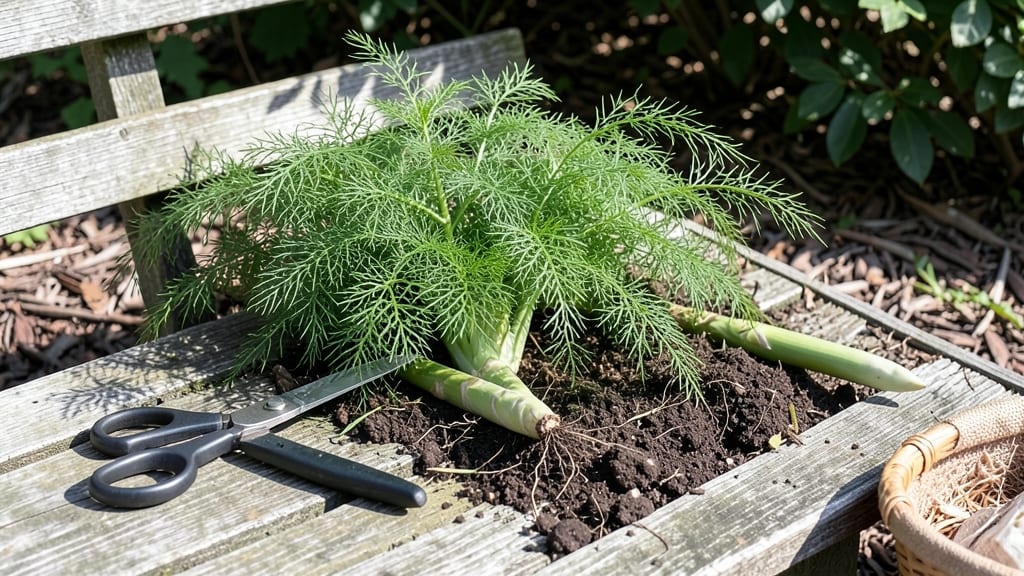
Harvesting asparagus seeds from mature 🌱 plants lets you grow new varieties with the same traits—if you know when and how to collect them properly.
Asparagus plants can live for decades, but their seed production is often overlooked—yet harvesting asparagus seeds is the key to propagating new plants with the same vigor.
If you've ever watched your garden expand with fresh starts but wondered how to tap into this natural process, you're in the right place.
This isn't about cutting spears—it's about waiting for the ferns to flower, then carefully collecting the seed pods when they turn brown and dry. One wrong move, and you could end up with seeds that won't sprout, so timing and technique matter.
Below, I’ll walk you through how to identify ripe seeds, the best way to extract them, and how to store them for planting next spring. By the end, you’ll know exactly what to do to ensure your new asparagus plants thrive from day one.

When and how to identify mature asparagus seeds for harvesting
Harvesting asparagus seeds is a rewarding way to propagate new plants, but it requires patience and attention to detail. Unlike harvesting spears, seed production happens later in the season and involves recognizing specific seed-bearing spears that transform into flower stalks.
These spears look different from the edible ones, so knowing what to watch for is key to a successful harvest.
Asparagus plants typically produce seeds in their second or third year, especially if they've been well-established and healthy. The process begins when flower buds form on the fern-like foliage in late spring or early summer.
These buds will grow into greenish-white flowers that eventually turn into seed pods, signaling it's time to prepare for harvesting.
Identifying mature seeds involves tracking the flower-to-pod development cycle. Start by monitoring the flower stalks—they'll grow vertically from the crown and develop small, clustered flowers. Once pollinated (often by bees or wind), these flowers will shrink and harden into small, round seed pods, usually by mid-to-late summer.
Here’s a quick reference to help you spot mature asparagus seeds at the right time:
Timing your harvest is crucial for seed viability. The best time to collect asparagus seeds is when the pods turn dry and brown but haven’t yet split open. This usually occurs in late summer, around August or September, depending on your climate.
If you wait too long, the pods may crack open, scattering seeds prematurely and reducing your yield.
Look for pods that are firm to the touch but not hard. They should feel slightly papery and have a matte, dull finish. Avoid harvesting pods that are still green or have a glossy sheen, as these seeds won’t be fully mature.
Overripe pods often release seeds easily when touched, so act quickly once you spot these signs.
Not all asparagus varieties produce seeds easily. Mary Washington and Jersey Knight are two reliable varieties known for their seed production. If you're growing a hybrid variety, check the plant tags or seed packets for information on seed viability.
Some hybrids may not produce fertile seeds, so stick to open-pollinated varieties for the best results.
Once you’ve identified mature seed pods, the next step is to harvest them carefully. Use clean, sharp pruning shears or your fingers to gently twist the pods off the stalks. Avoid pulling or yanking, as this can damage the plant or cause the pods to burst open.
Place the harvested pods in a paper bag or brown paper envelope to allow them to dry further before extracting the seeds.
After harvesting, store the pods in a cool, dry place for about 2-3 weeks to ensure the seeds are fully dry. This step is critical for preventing mold and ensuring high germination rates.
Once dry, you can crack open the pods to extract the tiny, flat seeds inside. Store these seeds in an airtight container in a dark, cool location until you're ready to plant them.
Remember, harvesting asparagus seeds is a seasonal task that requires patience. By paying close attention to the plant’s development and acting at the right moment, you’ll maximize your chances of collecting viable seeds for future gardening adventures. Happy harvesting! 🌱
Step-by-step process for extracting asparagus seeds from pods
Harvesting asparagus seeds is a rewarding way to propagate new plants while preserving your favorite varieties. Once your asparagus plants mature—typically after 3-5 years—they'll produce seed pods that contain the next generation. The key is timing and gentle handling to ensure seed viability for successful germination.
Identifying the right moment to harvest these pods is crucial. Look for dry, brown seed pods that have turned crispy and split open naturally. These pods are ready for seed extraction, usually appearing in late summer or early fall.
Avoid harvesting green or unripe pods, as they won’t contain viable seeds.
How to Extract Asparagus Seeds
-
Step 1: Gather the Pods
Carefully cut or twist off dry, brown seed pods from the plant using clean pruning shears. Place them in a paper bag to prevent moisture loss.
-
Step 2: Dry the Pods
Spread the pods on a dry, well-ventilated surface (like a screen or paper towel) for 1-2 weeks in a shady, dry location. This ensures any remaining moisture evaporates.
-
Step 3: Open the Pods
Once fully dry, gently crush the pods with your fingers or a mortar and pestle to release the flat, black seeds. Avoid pressing too hard to prevent seed damage.
-
Step 4: Separate Seeds
Use a fine mesh sieve or sifting tray to separate seeds from pod debris. Discard any empty or shriveled seeds, as they won’t germinate.
-
Step 5: Store for Germination
Place the clean seeds in a paper envelope or airtight container with a desiccant packet to absorb moisture. Label with the harvest date and store in a cool, dark place (like a fridge) for up to 2 years.
One common mistake is harvesting seeds too early or storing them in humid conditions, which can cause mold or rot. Always ensure your seeds are completely dry before storage—this maximizes their germination potential for future plantings.
Once your seeds are properly extracted and stored, you’ll be ready to test their viability and prepare them for planting. This process ensures you’re starting with the healthiest possible seeds for your next asparagus crop.